
























Adaptive Modernity in Times of Scarcity
Urban housing built between 1949 and the commercialization of the housing market in the 1980s in China has gained increasing attention from architectural historians and conservationists. Once…
Read the full articleYou might also wanna read

Exploring Adaptive Reuse in Urban Planning Across Asia
An interview with Architect Calvin Chua
governance.fyi·1y ago

Six Soviet-Era Buildings Transformed Through Contemporary Renovations
Countries in Europe's former Eastern Bloc are working out what to do with the architectural legacy of communism. Here are six examples of re
 Dezeen·9mo ago
Addressing Colonial Legacies in Sustainable Design for Climate Adaptation
For design to become truly sustainable in the face of rapid climate change we must first acknowledge its ties to colonialism, writes Céline
Dezeen·11mo agoAgeing in Inner Cities The Residential Dilemmas of the Baby Boomer Generation
Although residential mobility decreases with age, rates rise around the age of retirement, especially for people living in cities. The post-
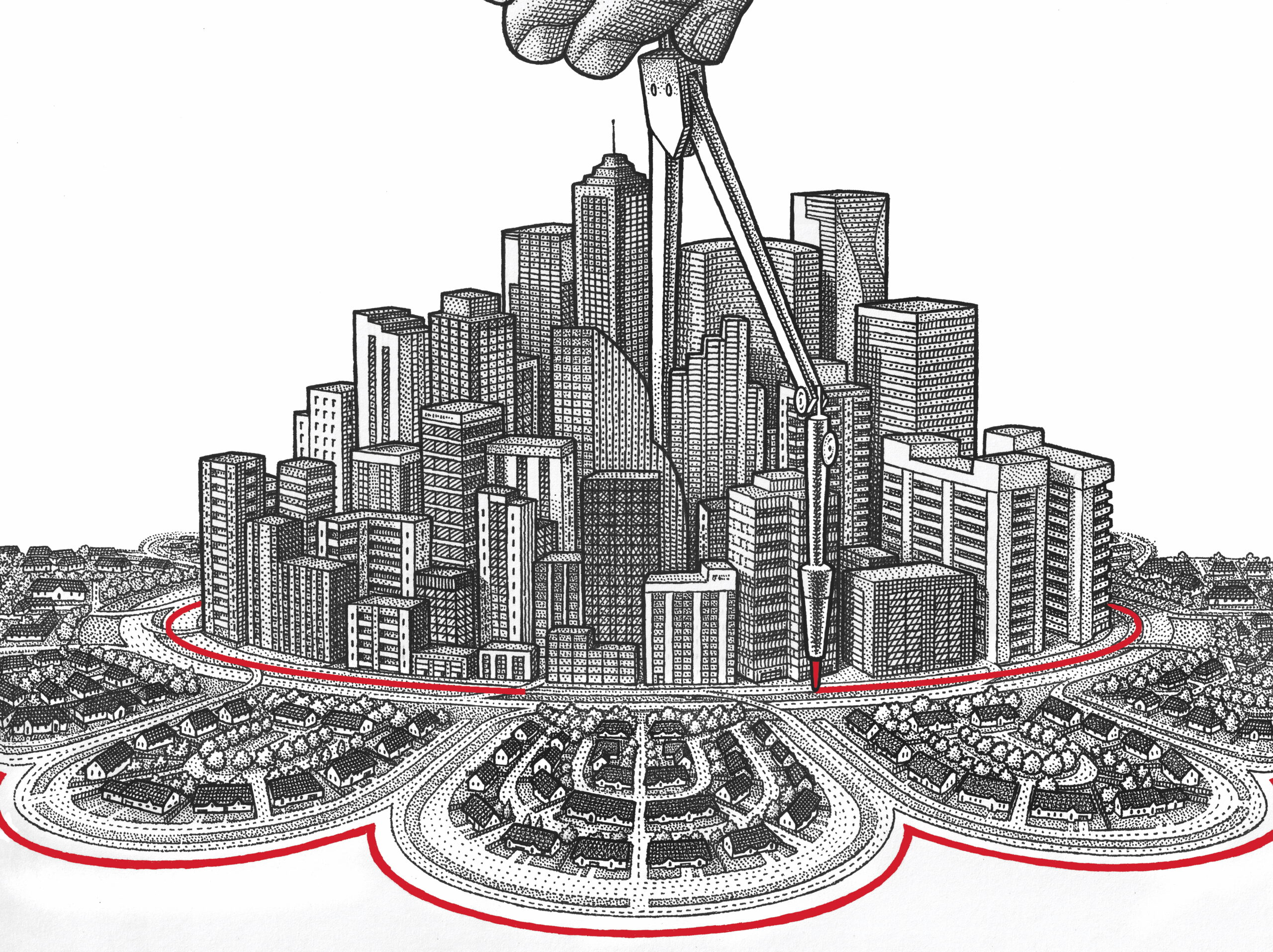
The Historical Shift to Restrictive Zoning: How 'The Great Downzoning' Created Modern Housing Shortages
It was once legal to build almost anything, anywhere. Then, in the space of a few decades, nearly every city in the West banned densificatio
 worksinprogress.co·7mo ago
Com es construeix la metròpolis del futur? El model que impulsa l'AMB
L'AMB consolida un model de transformació urbana basat en la sostenibilitat, la cohesió social i la qualitat arquitectònica
Comments
Sign in to join the conversation.
No comments yet. Be the first.