
























Lucy flyby reveals bilobed asteroid Donaldjohanson with tumbling rotation and erased small craters
By
Michael Vincent
Summary
This article presents findings from the Lucy spacecraft flyby of asteroid (52246) Donaldjohanson, a member of the Erigone asteroid family. The asteroid has a bilobed shape with a smooth neck region, and small craters have been preferentially erased, likely by seismic shaking from a larger impact. The asteroid exhibits tumbling rotation (not simple rotation), which is modeled as resulting from a resonance that emerged as it gradually slowed from an initially fast spin rate. The Erigone family itself was likely produced by a catastrophic collision that broke up a parent body.
Source

 Twitter / XLucy flyby reveals bilobed asteroid Donaldjohanson with tumbling rotation and erased small cratersscim.ag
Key quotes
· 4 pulledThe Erigone asteroid family was probably produced by a catastrophic collision that broke up a parent body.
Marchi et al. present results from the Lucy spacecraft flyby of the small asteroid Donaldjohanson, a likely member of the Erigone family, finding that it has a bilobed shape and a smooth neck region.
Small craters have been preferentially erased, possibly by seismic shaking after a larger impact.
The asteroid is slowly tumbling, not simply rotating, which the authors model as being due to a resonance that arose while it gradually slowed from an initially fast spin rate.
You might also wanna read


NASA’s Lucy finds a wobbling peanut-shaped asteroid with signs of ancient water
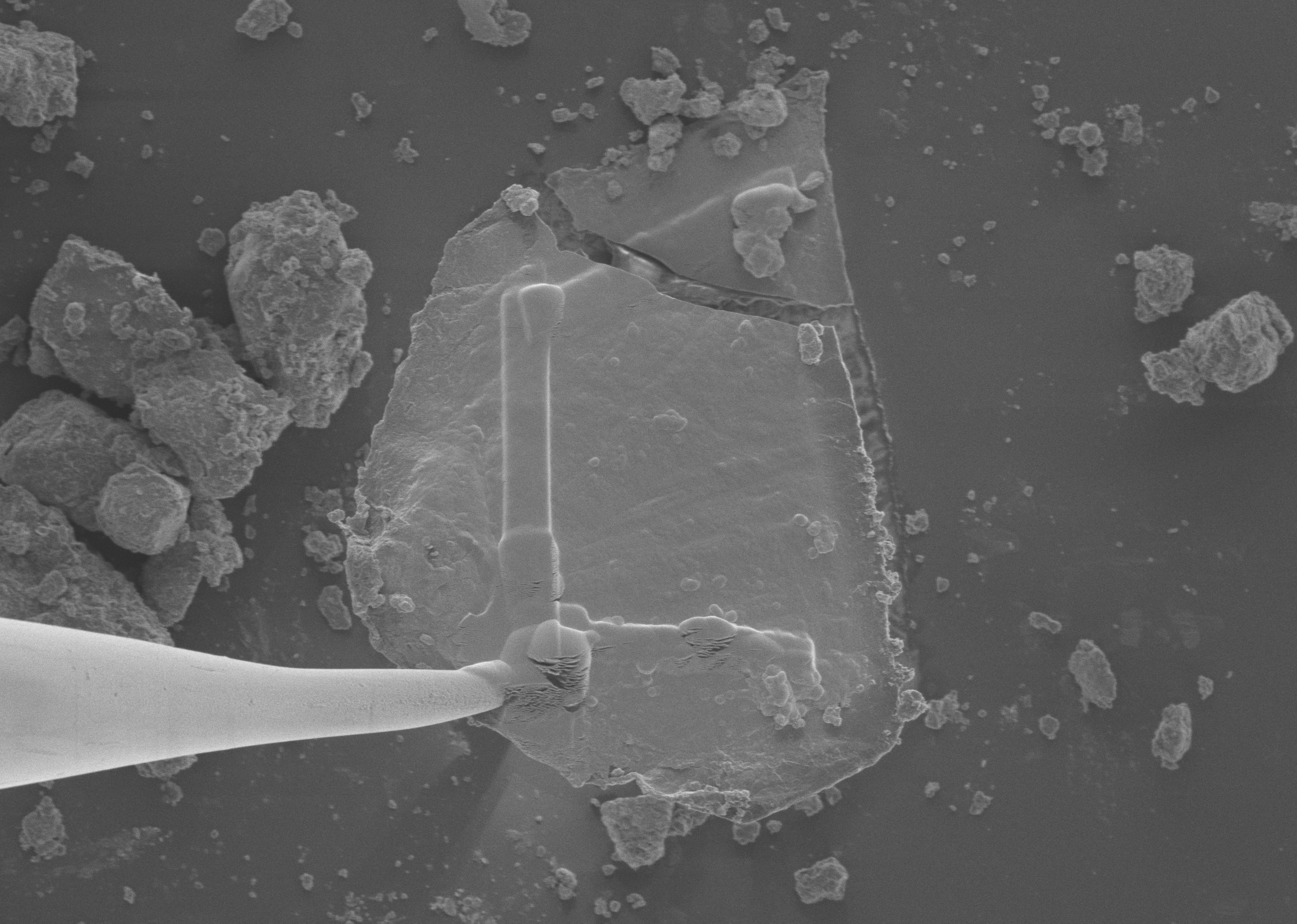
NASA Discovers Sugars and Unique Compounds in Asteroid Bennu Samples
NASA's OSIRIS-REx mission has delivered asteroid Bennu samples containing three significant discoveries: sugars essential for biology, a pre
 nasa.gov·7mo ago
Machine Learning Validates Unrecognized Transient Astronomical Phenomena in Historical Observatory Images
This research paper uses machine learning to validate the existence of previously unrecognized transient astronomical phenomena in historica
 arxiv.org·2mo ago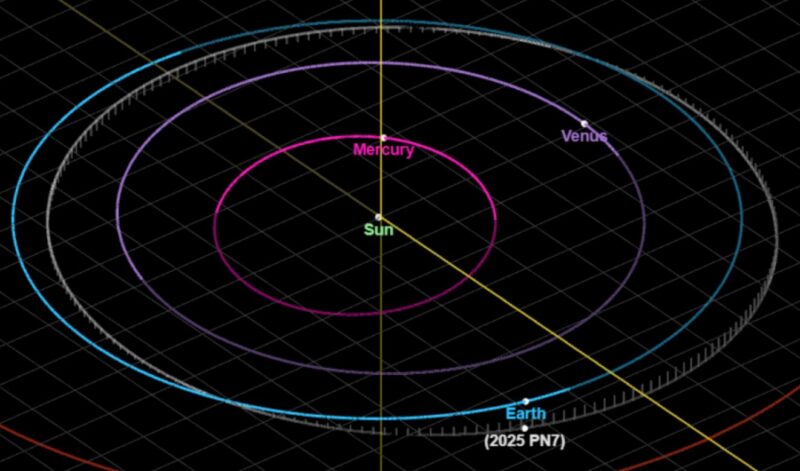
Astronomers Discover Quasi-Moon Asteroid That Has Orbited Near Earth Since 1957
Astronomers have discovered a 19-meter-wide asteroid named 2025 PN7 that has been orbiting near Earth since 1957. This 'quasi-moon' doesn't
 explorersweb.com·9mo ago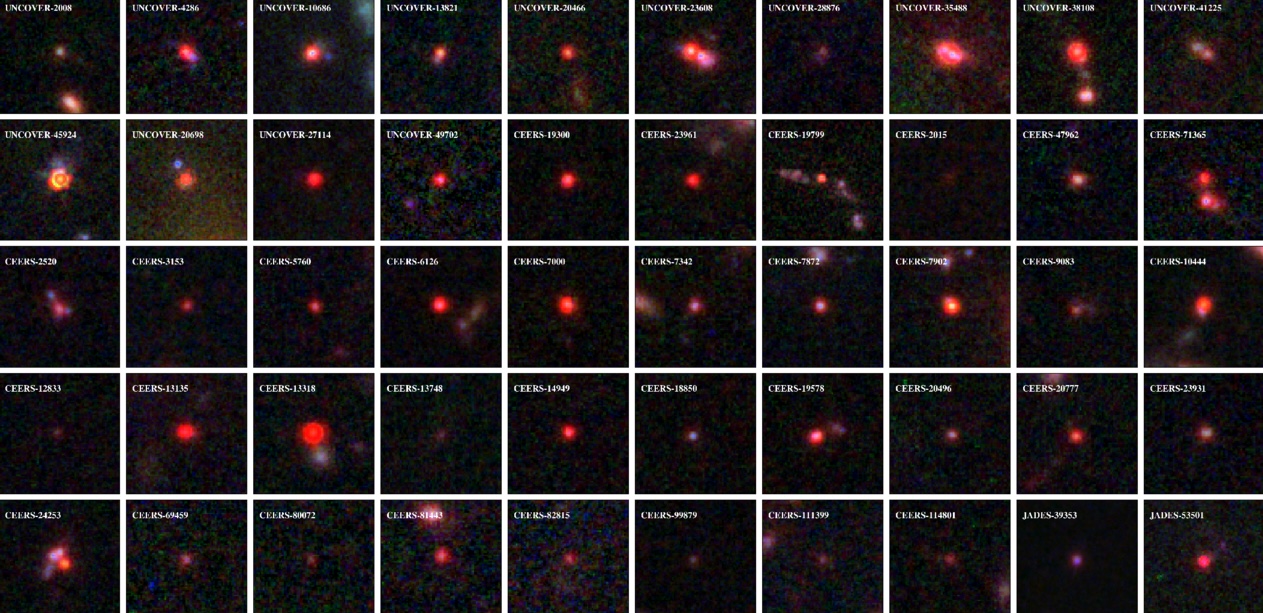
JWST's Little Red Dots: New Research Explores Whether They Are Young Globular Clusters or Objects with Blue Companions
JWST's discovery of compact reddish objects called "little red dots" has sparked scientific debate about their nature. This article examines
 aasnova.org·3d ago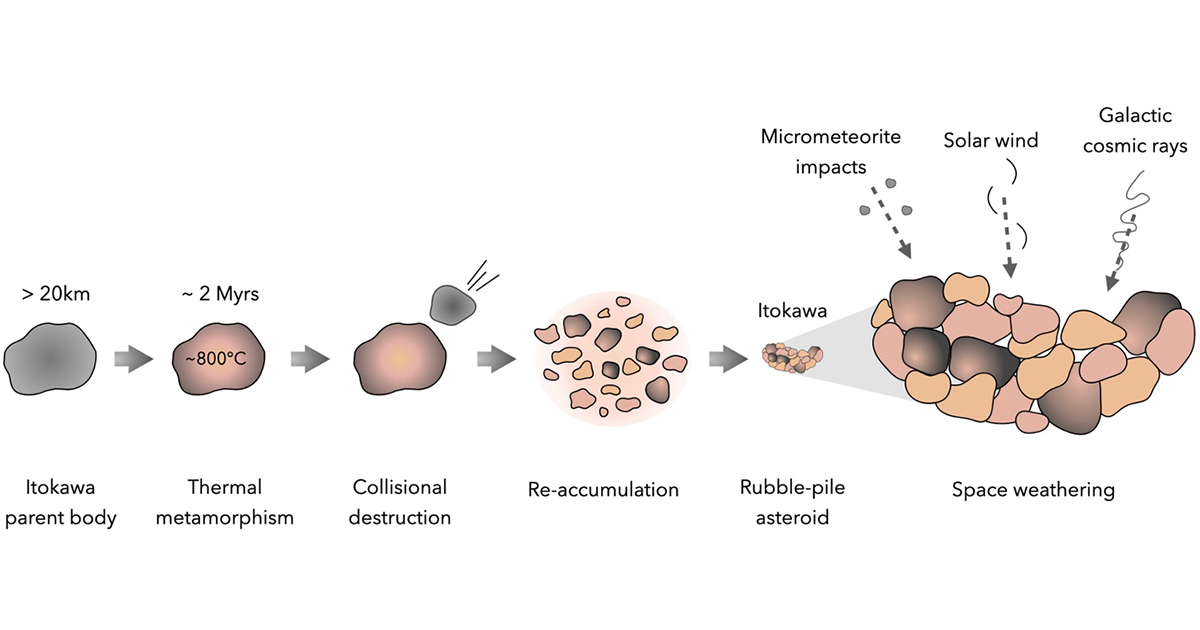
Review of asteroid sample return missions: Hayabusa, Hayabusa2, and OSIRIS-REx
This article discusses the three asteroid sample return missions to date: JAXA's Hayabusa and Hayabusa2, and NASA's OSIRIS-REx. It highlight
 isas.jaxa.jp·1mo ago
Comments
Sign in to join the conversation.
No comments yet. Be the first.