
























A 'smart ruler' could help swarms of space telescopes image exoplanets
We've talked plenty of times here about the infeasibility of launching a mirror big enough to directly image exoplanets using current rocket fairings—at least as long as we're not sending them…
Read the full articleYou might also wanna read

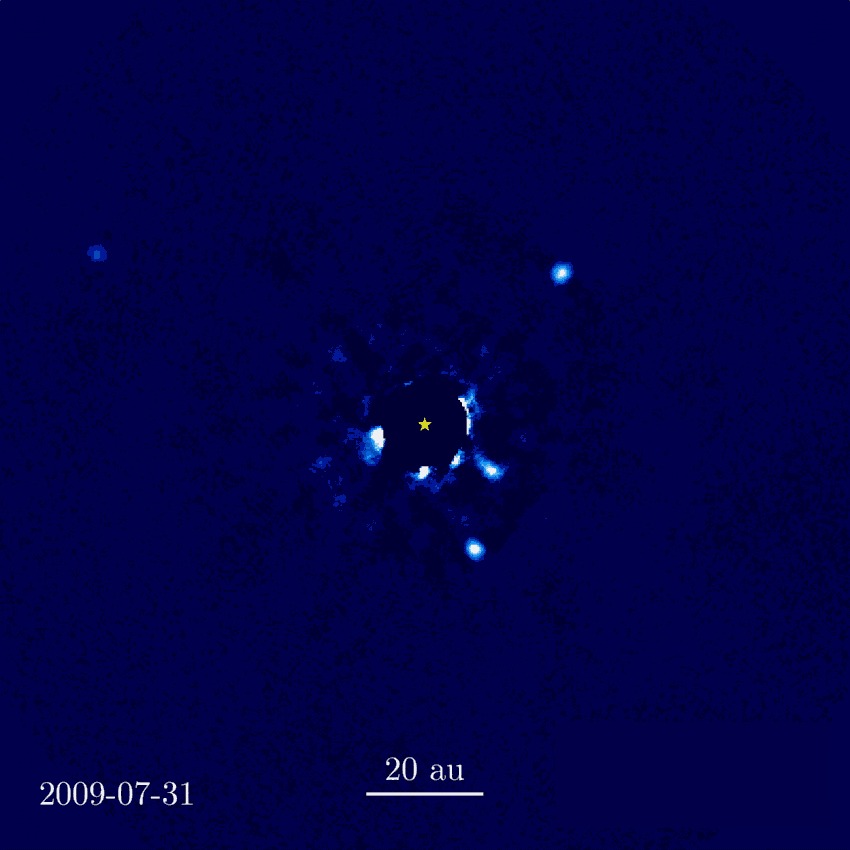
Quantum Limits of Exoplanet Detection: Current Telescopes Have Room to Improve
There's a hard physical limit on spotting a planet next to its blinding star. However, it turns out today's telescopes aren't hitting it. Ne
 astrobites.org·1mo ago
Optical Survey for Cislunar Moving Objects Using Image Stacking
Rongyu Sun et al 2026 AJ 171 247 Using three dedicated telescopes and two spacecraft in the Earth–Moon environment, researchers demonstrate

Astronomers Investigate Interstellar Object Speeding Through Solar System
Phalanx of instruments scrutinize 3I/ATLAS for clues about planet formation elsewhere in the galaxy
science.org·1y ago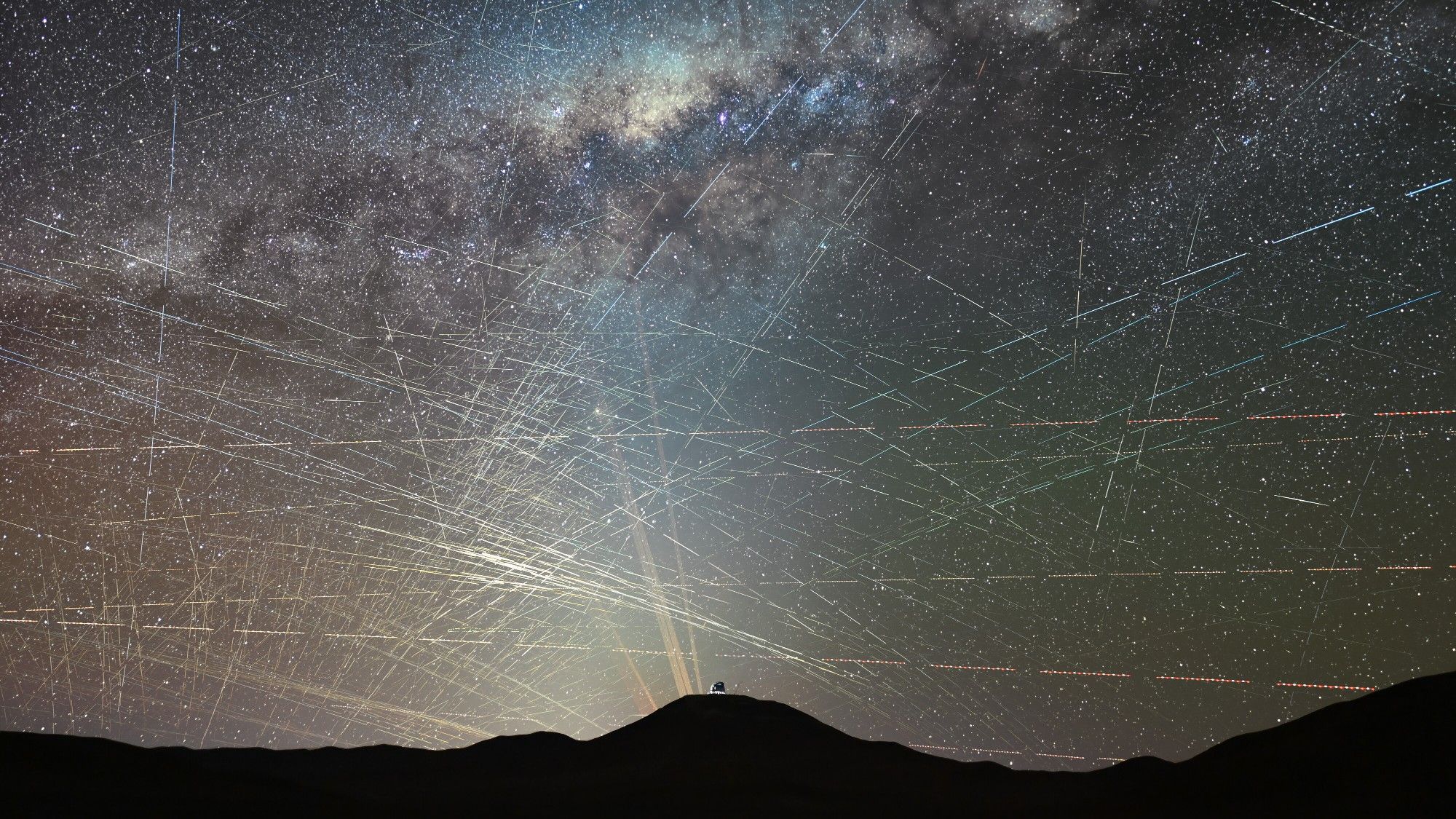
ESO study warns satellite mega-constellations could render ground-based astronomy obsolete
"The public has not signed up for having an entirely transformed sky."
 space.com·8d ago
ESO study warns satellite mega-constellations could render ground-based astronomy obsolete
"The public has not signed up for having an entirely transformed sky."
Space·8d agoOn the Detection of Exorings in Reflected Light with JWST NIRCam
Rachel Bowens-Rubin et al 2025 AJ 170 284 Simulations suggest that JWST’s Near-Infrared Camera should be able to detect ring systems around
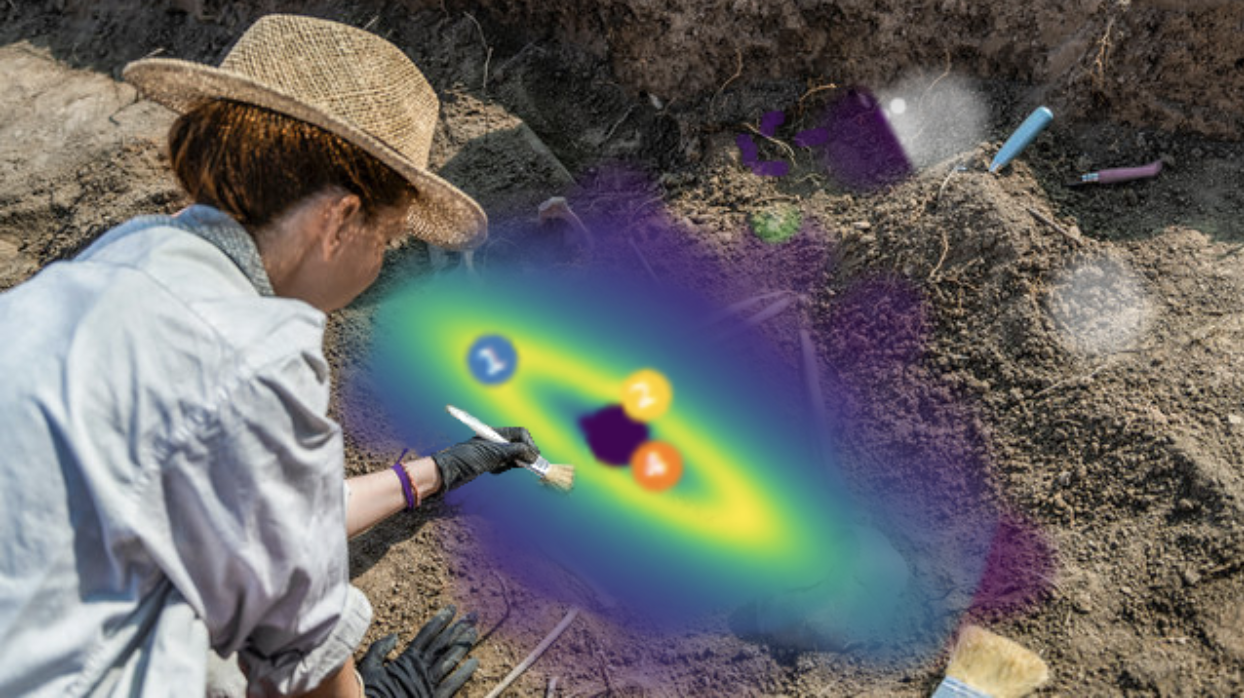
New imaging technique combines reference-star and angular differential imaging to reveal faint exoplanets and debris disks
What do astronomers and archaeologists have in common? Today's guest author discusses how faint exoplanet signals are extracted from their n
astrobites.org·15d ago
Comments
Sign in to join the conversation.
No comments yet. Be the first.