
























A Slowly Spinning Pulsar Below the Death Line
A serendipitous discovery illuminates the kinds of objects that might bridge the gap between pulsars and long-period radio transients. The post A Slowly Spinning Pulsar Below the Death Line appeared…
Read the full articleYou might also wanna read


Faint radio signals detected from previously silent 'Blue Eye' neutron star for the first time
The hushed pulsar, nicknamed Blue Eye, was a previously radio-silent neutron star.
 space.com·3d ago
Faint radio signals detected from previously silent 'Blue Eye' neutron star for the first time
The hushed pulsar, nicknamed Blue Eye, was a previously radio-silent neutron star.
space.com·3d agoFaint radio signals detected from previously silent 'Blue Eye' neutron star for the first time
The hushed pulsar, nicknamed Blue Eye, was a previously radio-silent neutron star.
Space·3d ago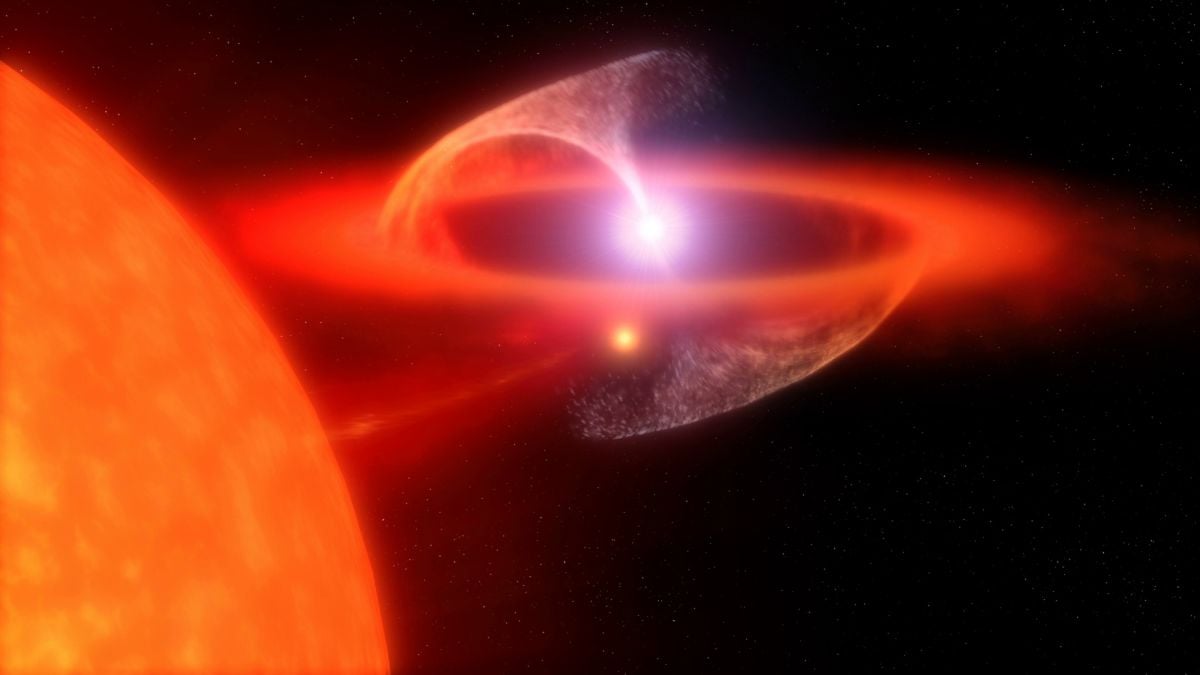
Astronomers Discover New Class of Long-Period Radio Transients in the Milky Way
Just a few years ago, a strange signal was received from the plane of the Milky Way.
 sciencealert.com·1mo ago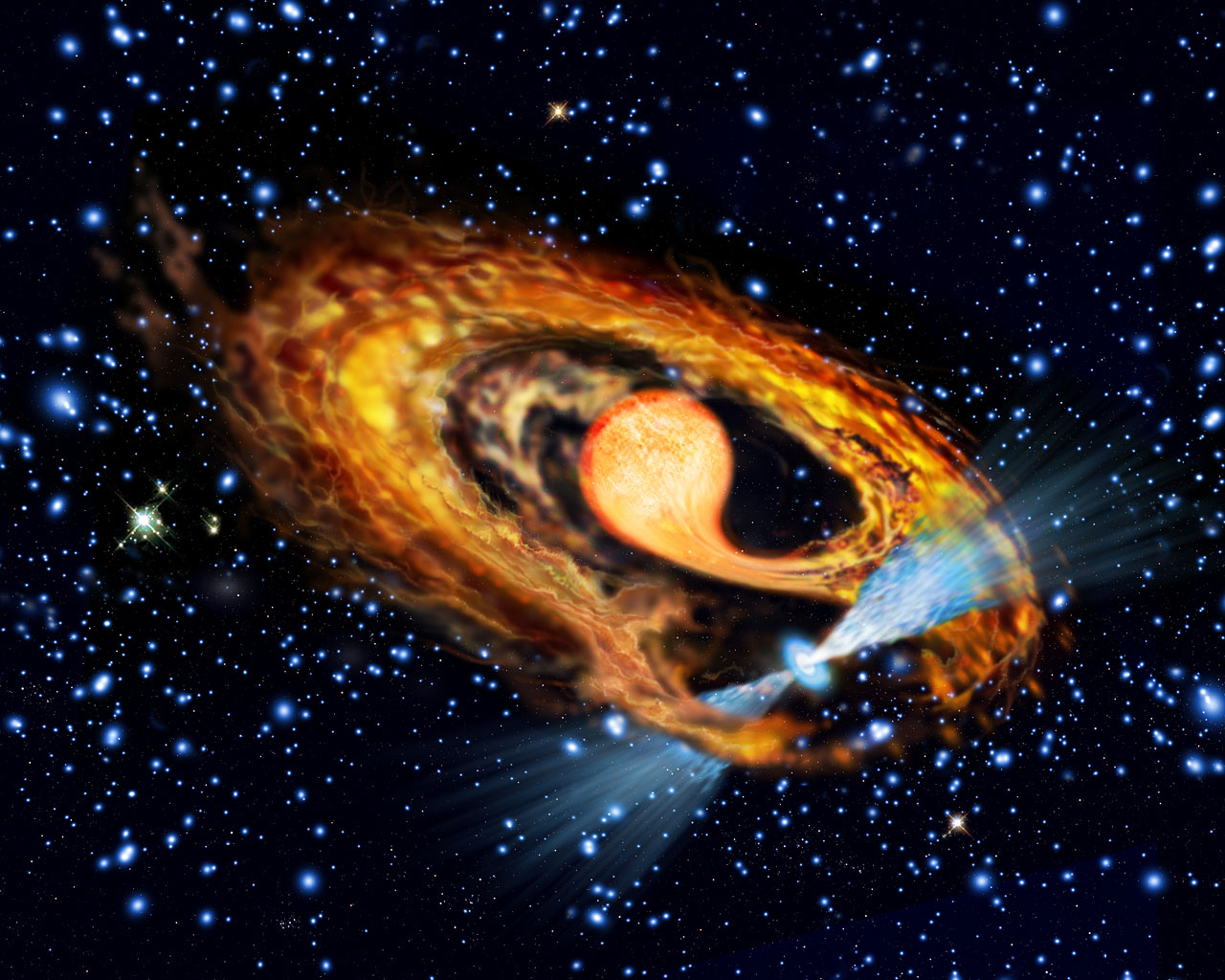
Six New Millisecond Pulsars Discovered Using FAST Telescope Data Stacking
Researchers have discovered six faint millisecond pulsars by stacking FAST radio observations.
 aasnova.org·1mo ago
Six New Millisecond Pulsars Discovered Using FAST Telescope Data Stacking
Researchers have discovered six faint millisecond pulsars by stacking FAST radio observations.
AAS Nova·1mo agoHidden jet from a 'missing-link' black hole lights up the radio sky
Astronomers using the U.S. National Science Foundation Very Large Array (NSF VLA) have detected an extraordinary burst of radio light from a
Astronomers witness the birth of a magnetar for the first time
A strange "chirping" signal from a distant supernova has revealed the birth of a magnetar, confirming that these incredibly magnetic neutron

NASA Space Telescope Maps Magnetic Fields of ‘Lighthouse’ Pulsar
For the first time, scientists have used NASA’s IXPE (Imaging X-ray Polarimetry Explorer) to directly measure the magnetic fields of PSR J11
NASA Space Telescope Maps Magnetic Fields of ‘Lighthouse’ Pulsar
For the first time, scientists have used NASA’s IXPE (Imaging X-ray Polarimetry Explorer) to directly measure the magnetic fields of PSR J11
NASA Space Telescope Maps Magnetic Fields of ‘Lighthouse’ Pulsar
For the first time, scientists have used NASA’s IXPE (Imaging X-ray Polarimetry Explorer) to directly measure the magnetic fields of PSR J11
Comments
Sign in to join the conversation.
No comments yet. Be the first.