
























A Slowly Aging Butterfly Could Help Scientists Understand Longevity
A University of Bristol-led study reports that a species of butterflies has evolved both longer lifespans and slower physical decline.
Read the full articleYou might also wanna read

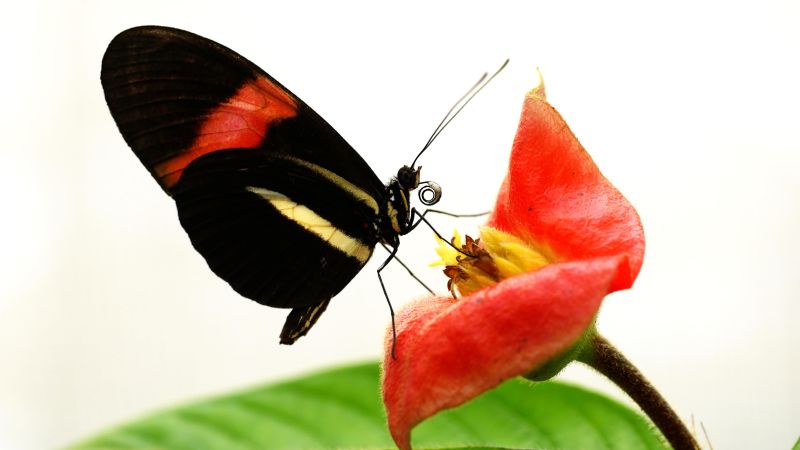
Heliconius butterflies show extreme lifespan variation, with some living 25 times longer than relatives
A tropical butterfly from the Heliconius tribe has evolved to live a maximum lifespan of 348 days, nearly 25 times longer than its relatives
 cnn.it·21d ago
Two modes of aging to explain why lifespans differ across species
Two modes of aging to explain why lifespans differ across species

Ten-year-old butterfly researcher discovers that memories can be passed down through generations
The homemade experiment challenges assumptions about how living things learn. The post Ten-year-old butterfly researcher discovers that memo

Most tropical butterflies survive in their adult forms for just a few weeks. These butterflies have been known to live up to 348 days
Most tropical butterflies survive in their adult forms for just a few weeks. These butterflies have been known to live up to 348 days

British swallowtail split from European cousins much earlier than thought, study finds
Finding that Norfolk butterfly has been distinct subspecies for 200,000 years could transform conservation approach The endangered swallowta
British swallowtail split from European cousins much earlier than thought, study finds
Finding that Norfolk butterfly has been distinct subspecies for 200,000 years could transform conservation approach The endangered swallowta
British swallowtail split from European cousins much earlier than thought, study finds
Finding that Norfolk butterfly has been distinct subspecies for 200,000 years could transform conservation approach The endangered swallowta

Species Slowdown: Is Nature’s Ability to Self-Repair Stalling?
When scientists recently analyzed hundreds of studies of ecosystems, they were surprised to see a marked slowing in the rate of species turn
Comments
Sign in to join the conversation.
No comments yet. Be the first.