
























A red dwarf star called TRAPPIST-1, just 40 light-years from Earth, hosts seven Earth-sized planets — including three orbiting in the narrow zone where liquid water could potentially survive
TRAPPIST-1 is not impressive by the usual standards of stargazing. It is too faint to see with the naked eye, far cooler and smaller than the Sun, and located about 40 light-years away in the…
Read the full articleYou might also wanna read

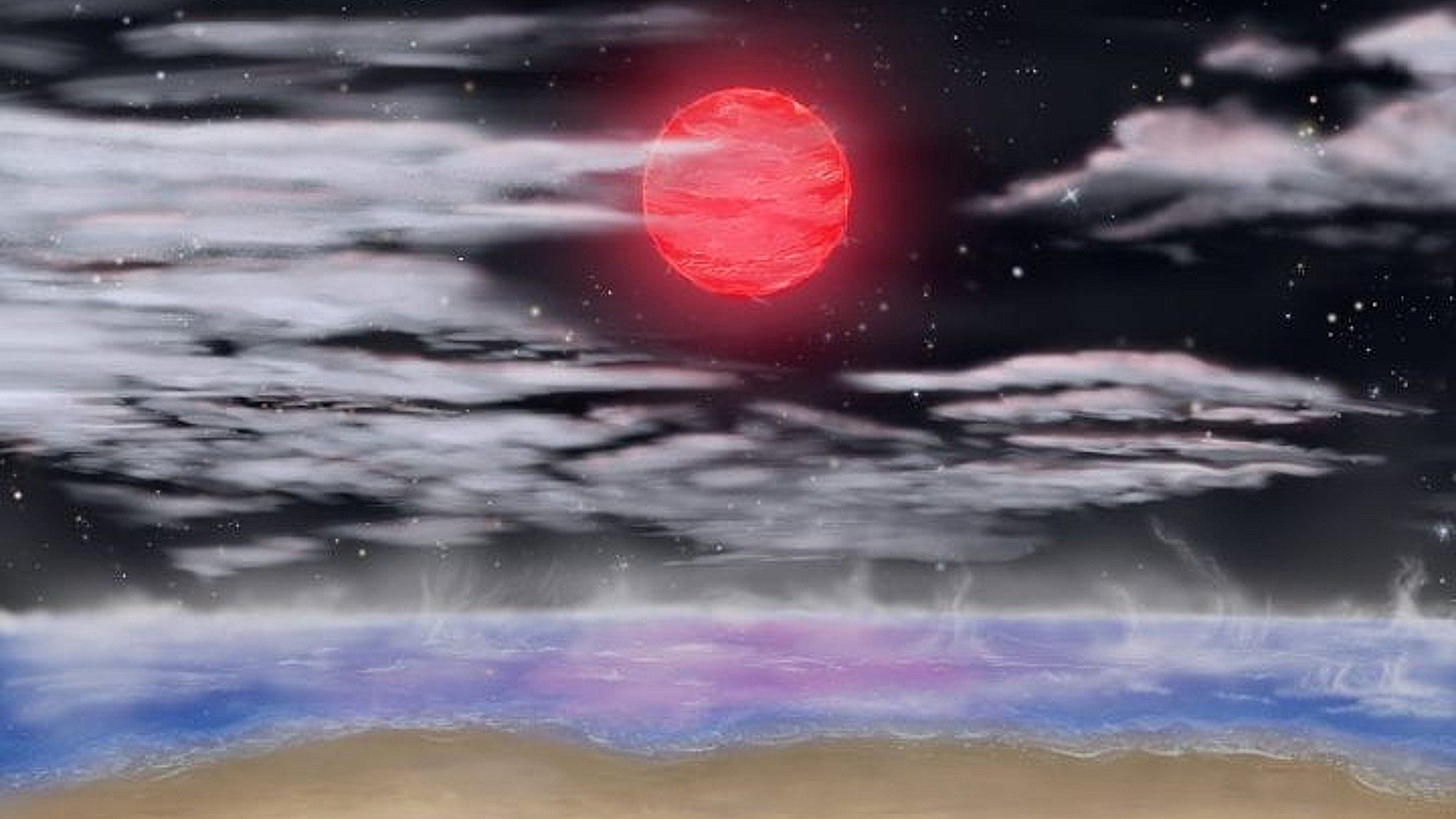
Potentially habitable rocky exoplanet GJ 3378b discovered 25 light-years away in red dwarf's habitable zone
The planet, designated GJ 3378b, orbits the faint red dwarf star in the constellation of Camelopardalis, the Giraffe.
 space.com·14d ago
Potentially habitable rocky exoplanet GJ 3378b discovered 25 light-years away in red dwarf's habitable zone
The planet, designated GJ 3378b, orbits the faint red dwarf star in the constellation of Camelopardalis, the Giraffe.
Space·14d agoNew observations suggest nearby super-Earth could be more habitable than first thought
25 light years from Earth sits the red dwarf star GJ 3378. Orbiting the star is exoplanet GJ 3378 b, about twice as large as Earth. And now,
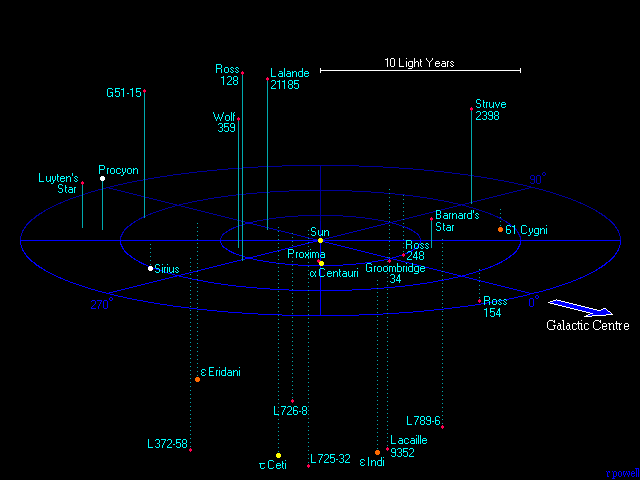
Astronomical Map of Star Systems Within 12.5 Light Years of the Sun
This map shows all the star systems that lie within 12.5 light years of our Sun. Most of the stars are red dwarfs - stars with a tenth of th
 atlasoftheuniverse.com·10mo ago
Could exoplanets locked in eternal day and endless night support life?
Ever so slightly bigger than Earth, the exoplanet LHS 3844b orbits its parent star, LHS 3844, a red dwarf 48.5 light-years from our solar sy
Could exoplanets locked in eternal day and endless night support life?
Ever so slightly bigger than Earth, the exoplanet LHS 3844b orbits its parent star, LHS 3844, a red dwarf 48.5 light-years from our solar sy
“A star located about 1,300 light-years from Earth.
“A star located about 1,300 light-years from Earth shows signs of having devoured one of its planets — and is now gearing up for a second he
Comments
Sign in to join the conversation.
No comments yet. Be the first.