
























A New Determination of the Mass of NGC 3603-A1: The Most Massive Binary Known?
Philip Massey et al 2025 ApJ 990 52 New and archival Hubble observations show that the components of NGC 3603-A1 have masses of 93 and 70 solar masses, and these two enormous stars orbit one another…
Read the full articleYou might also wanna read


Kmt-2023-blg-0332l b
KMT-2023-BLG-0332L b is a gas giant exoplanet that orbits a Unknown-type star. Its mass is 22 Jupiters, it takes 7.8 years to complete one o
Kmt-2023-blg-0332l b
KMT-2023-BLG-0332L b is a gas giant exoplanet that orbits a Unknown-type star. Its mass is 22 Jupiters, it takes 7.8 years to complete one o

Discovery of a 36 Billion Solar Mass Black Hole in the Cosmic Horseshoe Gravitational Lens
ABSTRACT. Supermassive black holes (SMBHs) are found at the centre of every massive galaxy, with their masses tightly connected to their hos
 academic.oup.com·11mo ago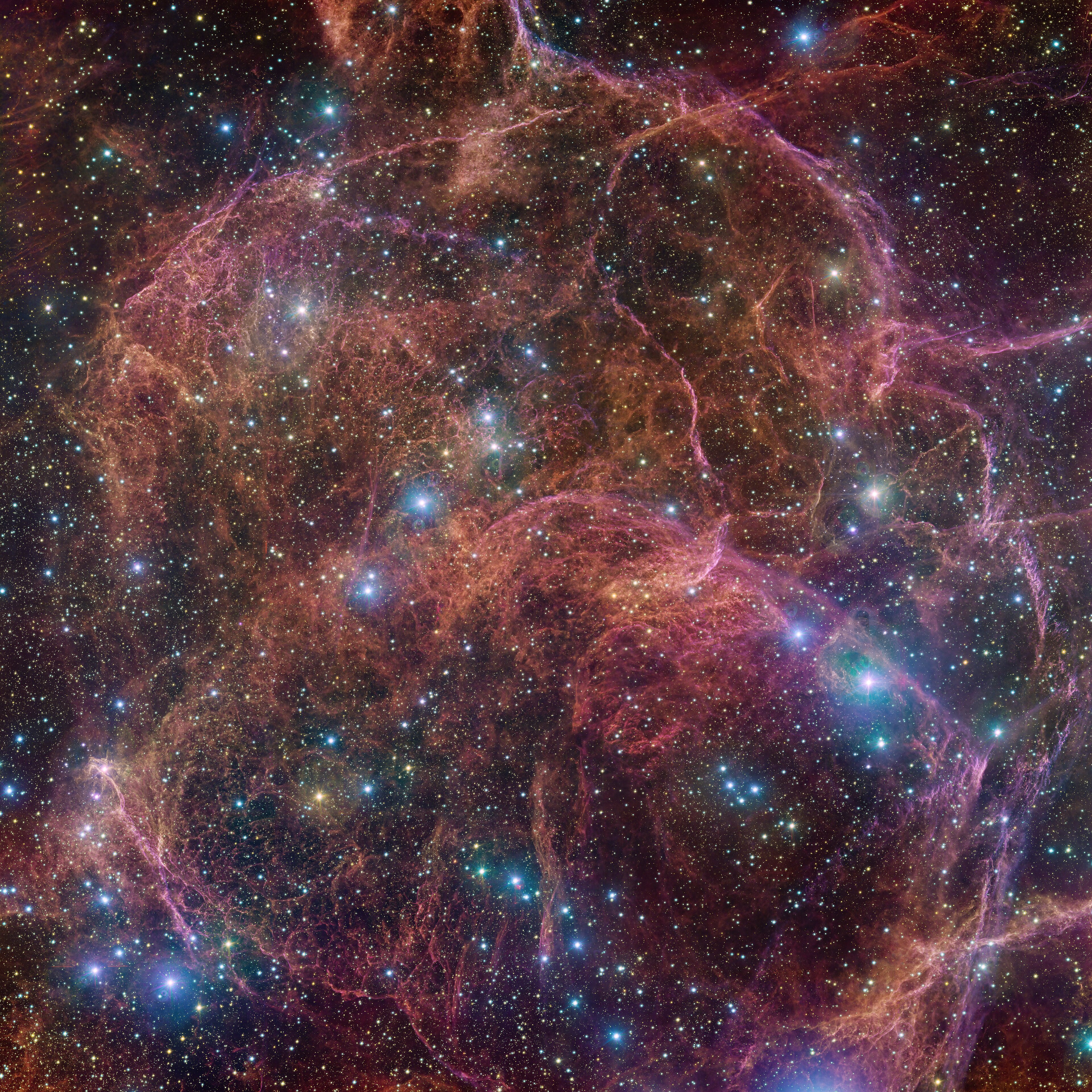
The Pair Instability Mass Gap: Why Some Stars Are Too Massive to Form Black Holes
Some stars are too big to make black holes.
 three-alpha.space·9d ago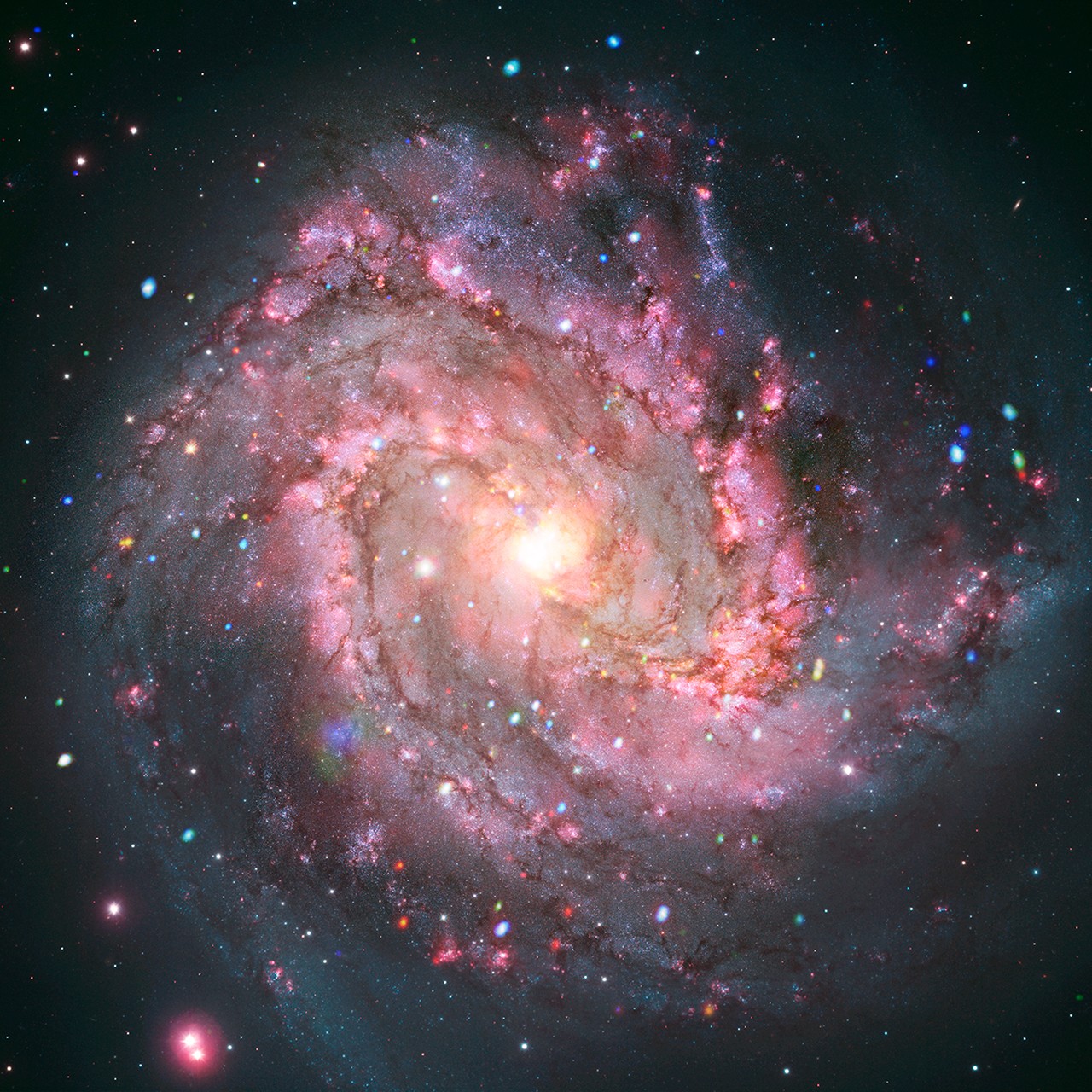
NASA's Chandra Observatory Discovers Unexpected Brightness Changes in Supernova Remnants in Galaxy M83
Over a 14-year period from 2000 to 2014, astronomers pointed NASA’s X-ray observatory at the M83 galaxy. They discovered that about half of
 science.nasa.gov·20d ago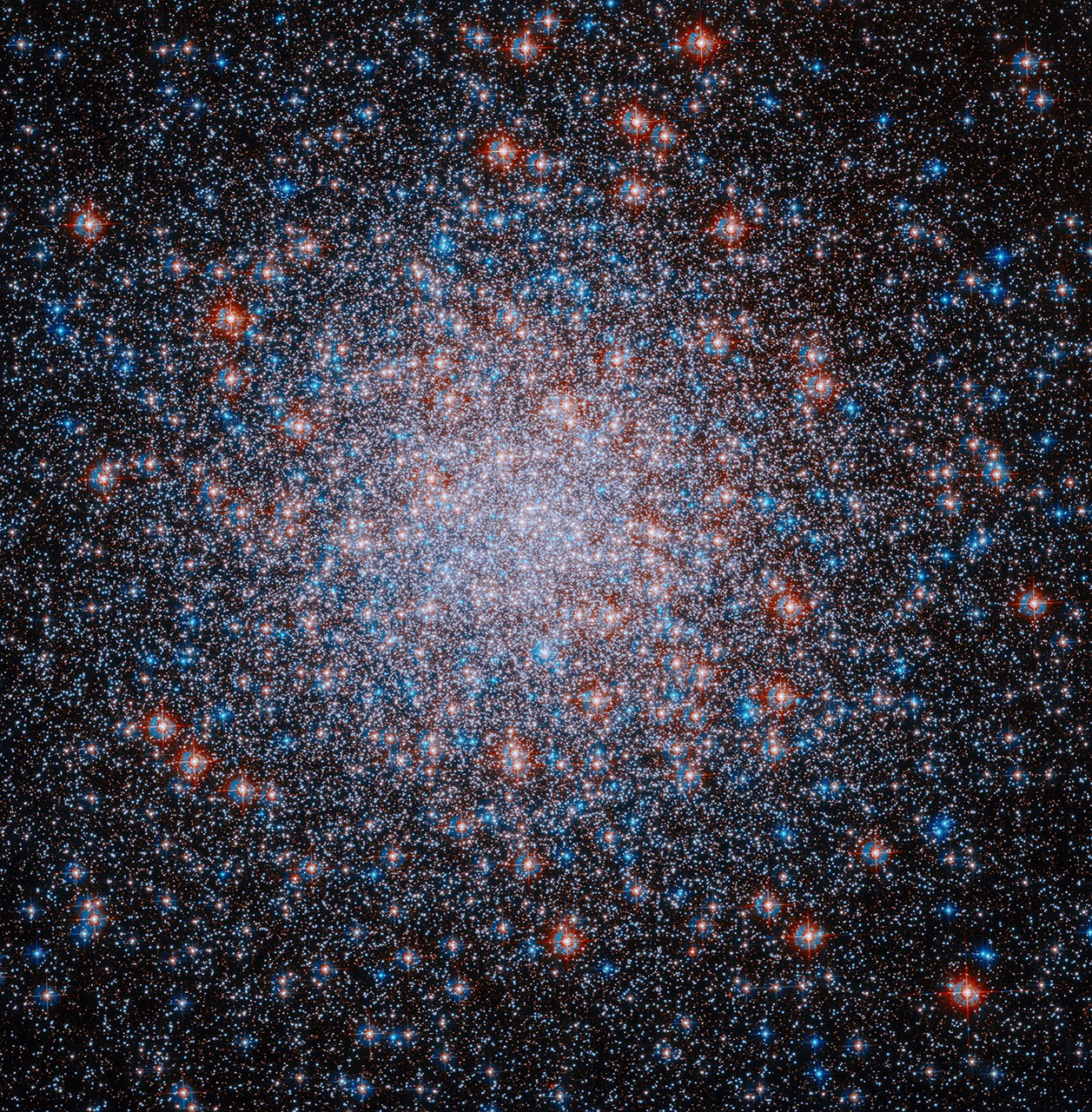
NASA's Hubble Telescope Releases Star-Spangled Image of Globular Cluster M3 for US 250th Anniversary
More than 500,000 stars blaze red, white, and blue in this NASA Hubble image of the globular cluster Messier 3 (M3).
go.nasa.gov·6d agoNASA's Hubble Telescope Releases Star-Spangled Image of Globular Cluster M3 for US 250th Anniversary
More than 500,000 stars blaze red, white, and blue in this NASA Hubble image of the globular cluster Messier 3 (M3).
go.nasa.gov·6d ago
Astronomers Discover Massive Black Hole Merger Defying Expectations
The powerful merger, designated GW231123, produced an extremely large black hole about 225 times the mass of our Sun.
gizmodo.com·1y ago
Comments
Sign in to join the conversation.
No comments yet. Be the first.