
























A Glimpse of the New Redshift Frontier through AS1063
Vasily Kokorev et al 2025 ApJL 983 L22 Using JWST, researchers have detected two candidate galaxies at redshifts of 15.7 < z < 16.4 — galaxies that may be the ultraviolet-bright precursors to other…
Read the full articleYou might also wanna read

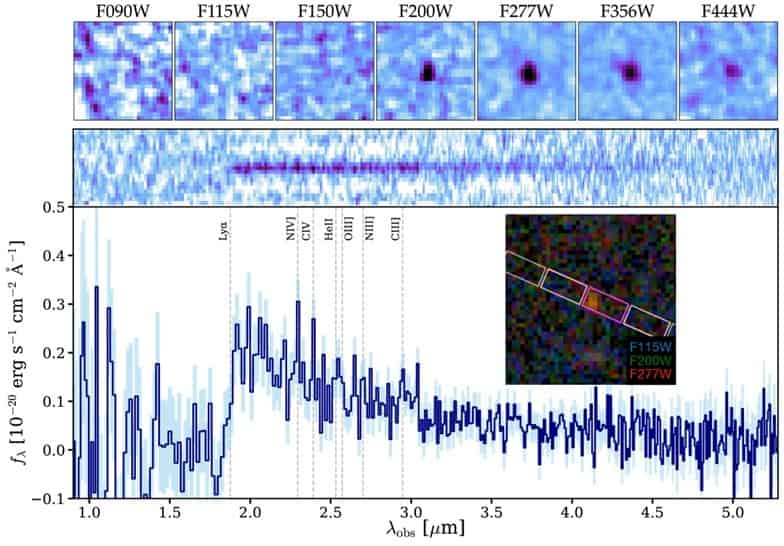
JWST Confirms Discovery of Exceptionally Luminous Galaxy at z=14.44, 280 Million Years After Big Bang
By Rohan P. Naidu, Pascal A. Oesch & 44 more. The James Webb Space Telescope (JWST) has discovered a bright galaxy, MoM-z14, located 280 mil
 astro.theoj.org·4mo ago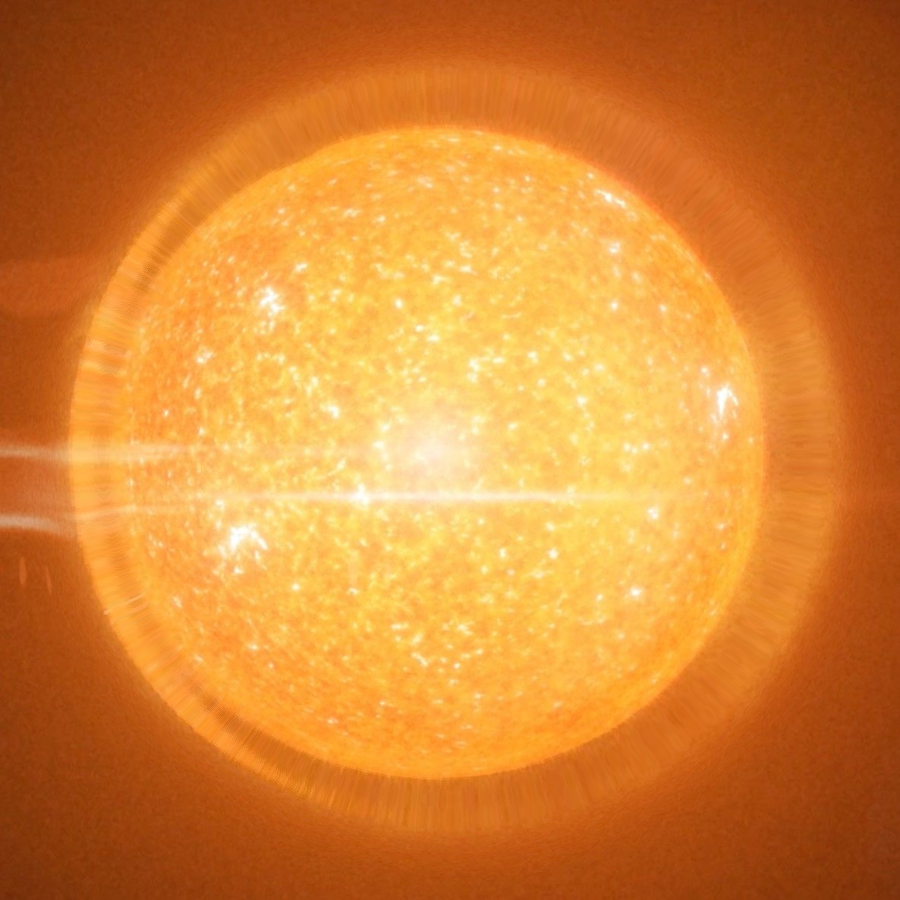
JWST observes normal AGB stars at Cosmic Noon through 5000x gravitational lensing
We pointed JWST at a galaxy magnified 5000 times by the universe–what did we learn by seeing the unseeable?
 astrobites.org·1mo ago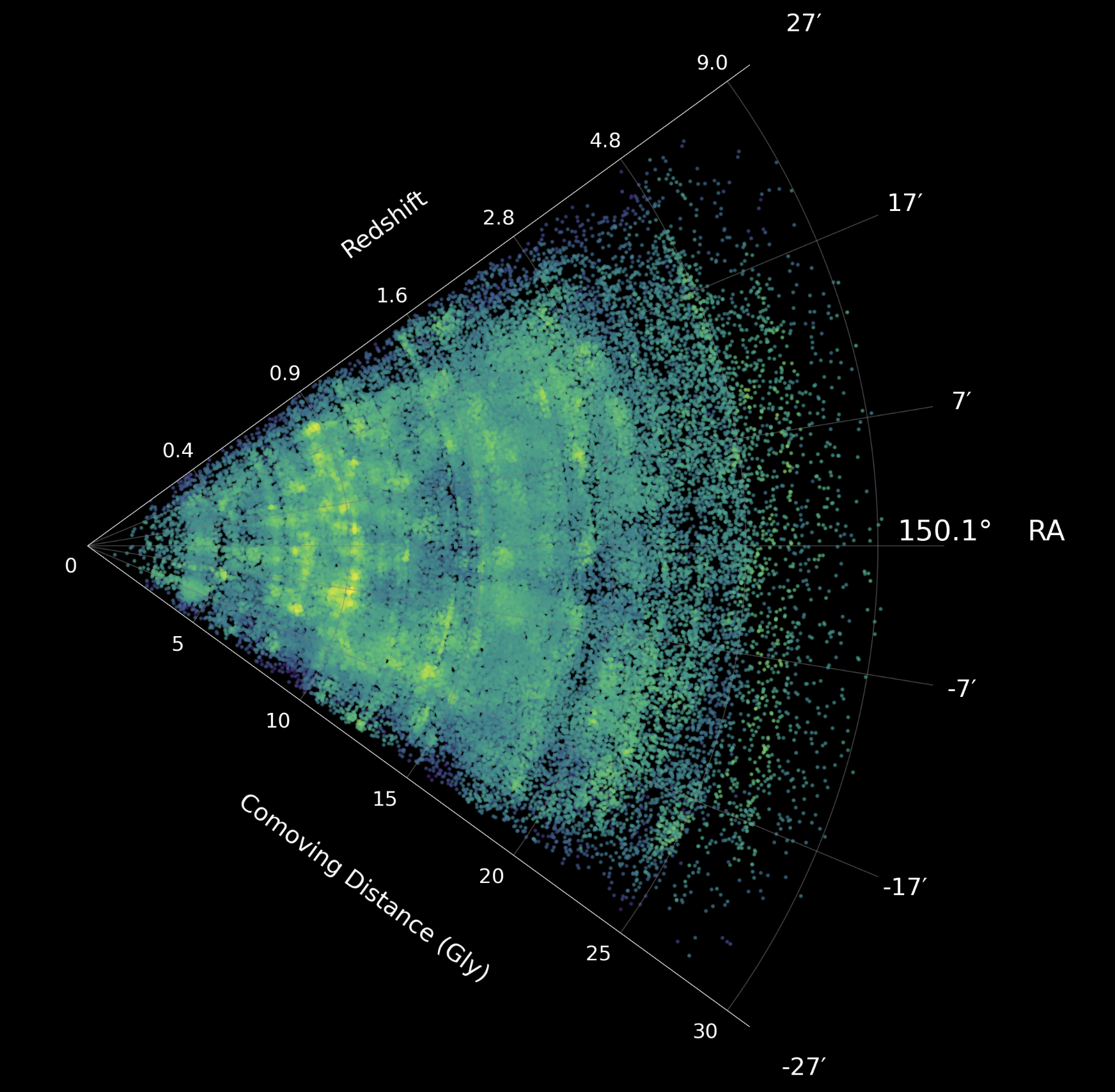
JWST's COSMOS-Web Survey Maps the Cosmic Web and Galaxy Evolution to Redshift z~7
How astronomers used the largest JWST survey to build a new map of the Universe
astrobites.org·1mo ago
Astrophysicists Grapple with Unexpected JWST Discoveries of Early Galaxies and Black Holes
Faced with observations of early black holes and galaxies that weren’t expected to exist, scientists have come up with a wealth of new theor
 quantamagazine.org·7d ago
Astrophysicists Grapple with Unexpected JWST Discoveries of Early Galaxies and Black Holes
Faced with observations of early black holes and galaxies that weren’t expected to exist, scientists have come up with a wealth of new theor
quantamagazine.org·7d ago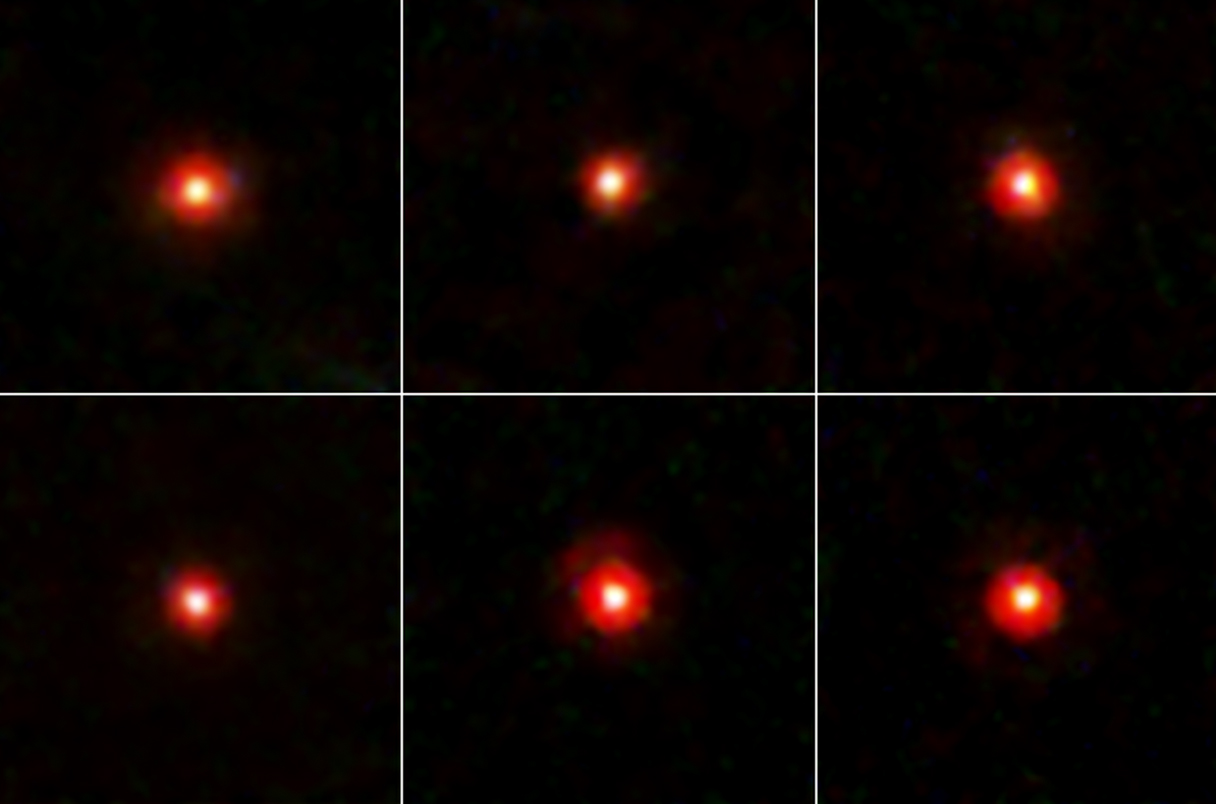
JWST Discovers Mysterious 'Little Red Dots' in Early Universe, Possibly New Celestial Objects
Puzzling objects spotted by NASA’s JWST telescope may be entirely new class of celestial entity
 science.org·11mo ago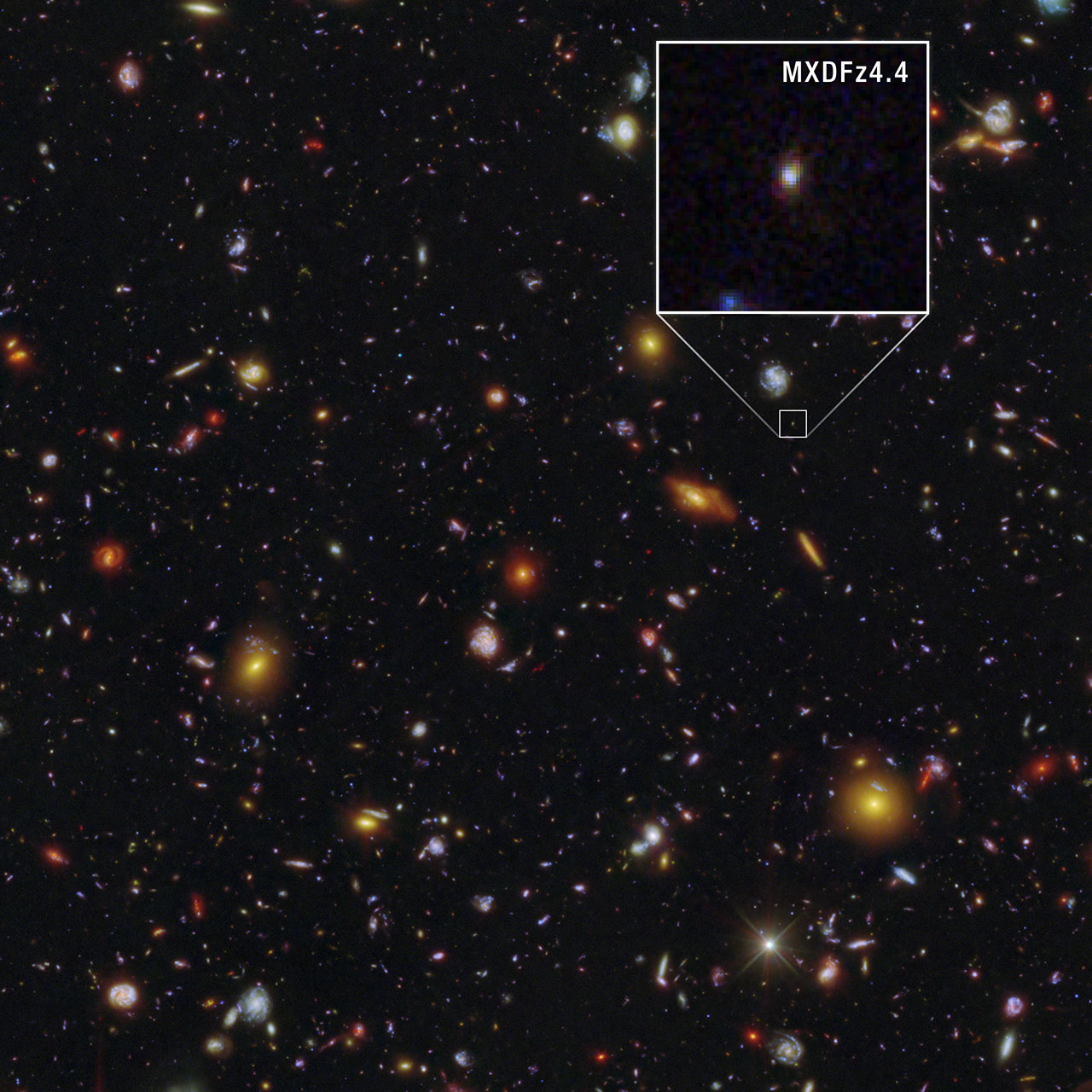
Hubble Detects Ultraviolet Light from Early Galaxy, Shedding Light on Cosmic Reionization
Astronomers using Hubble found ultraviolet light from a galaxy that existed just 1.4 billion years after the big bang.
 go.nasa.gov·16d ago
Comments
Sign in to join the conversation.
No comments yet. Be the first.