
























A Dense Molecular Ringlike Structure in Gaseous CO Depletion Region G34.74−0.12
Shuting Lin et al 2025 ApJL 992 L15 A newly discovered dense molecular ring in a young, cold star forming region gives a detailed glimpse into the inner workings of the regions in which massive stars…
Read the full articleYou might also wanna read
Newborn stars preserve organic-rich gas within ancient supernova debris
For the first time, astronomers have discovered stellar cocoons rich in complex organic molecules within a supernova remnant. A research tea

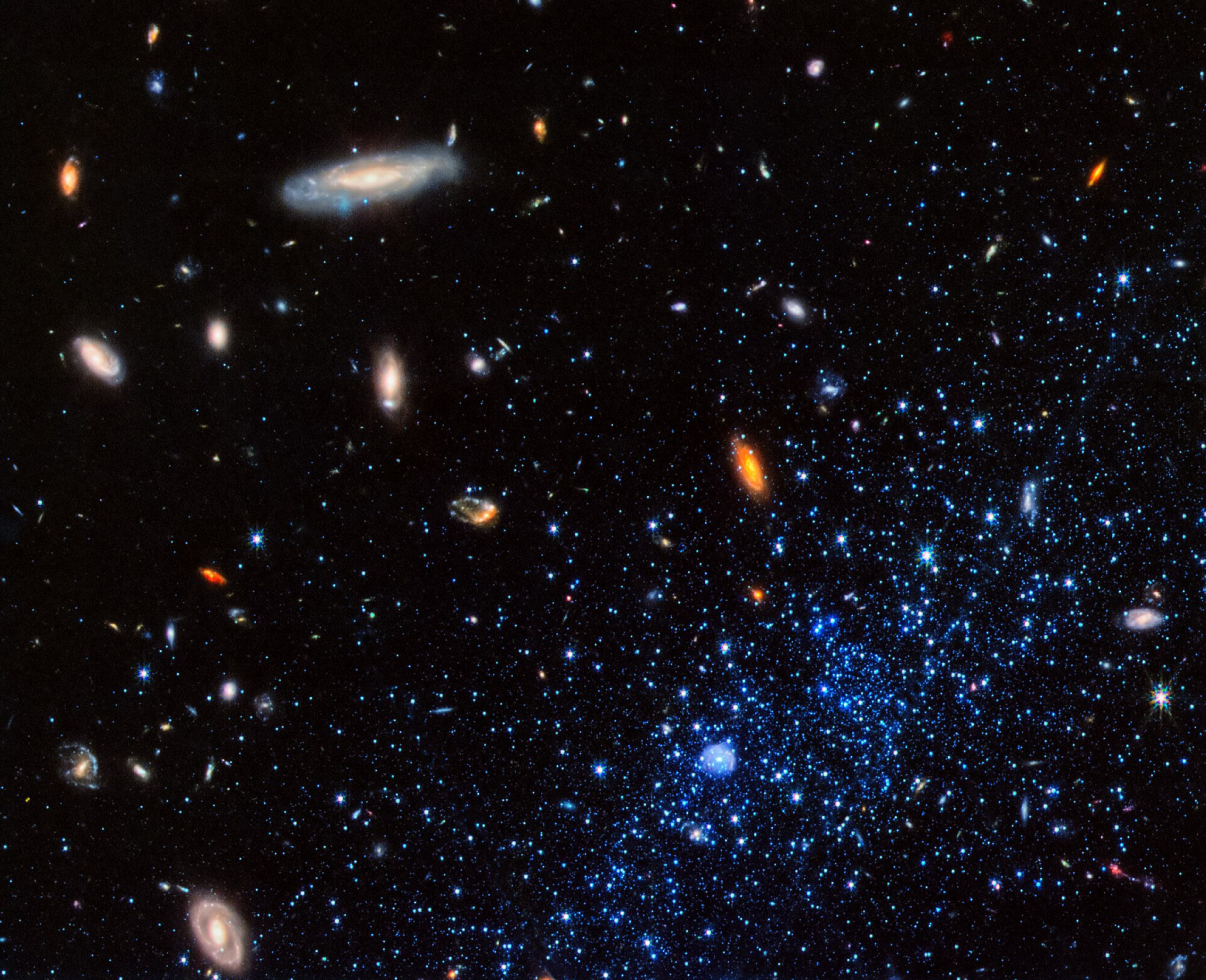
JWST detects molecular hydrogen in the ultra-low metallicity dwarf galaxy Leo P
Considering that molecular hydrogen is the most abundant molecule in the universe, you’d think it’d be easier to find.
 astrobites.org·6d ago
JWST detects molecular hydrogen in the ultra-low metallicity dwarf galaxy Leo P
Considering that molecular hydrogen is the most abundant molecule in the universe, you’d think it’d be easier to find.
astrobites·6d ago
VLT Study Reveals Dramatic Nickel Emission and CN Outgassing in Interstellar Comet 3I/ATLAS
We report VLT spectroscopy of the interstellar comet 3I/ATLAS (C/2025 N1) from $r_{\rm h}\!\simeq\!4.4$ to $2.85$ au using X-shooter (300-55
 arxiv.org·10mo ago
Astronomers observe young galaxy blowing away star-forming gas, explaining early 'dead' galaxies found by JWST
Astronomers have caught a young galaxy system apparently blowing away the gas it needs to keep making stars, offering a natural explanation
 astronomynow.com·28d ago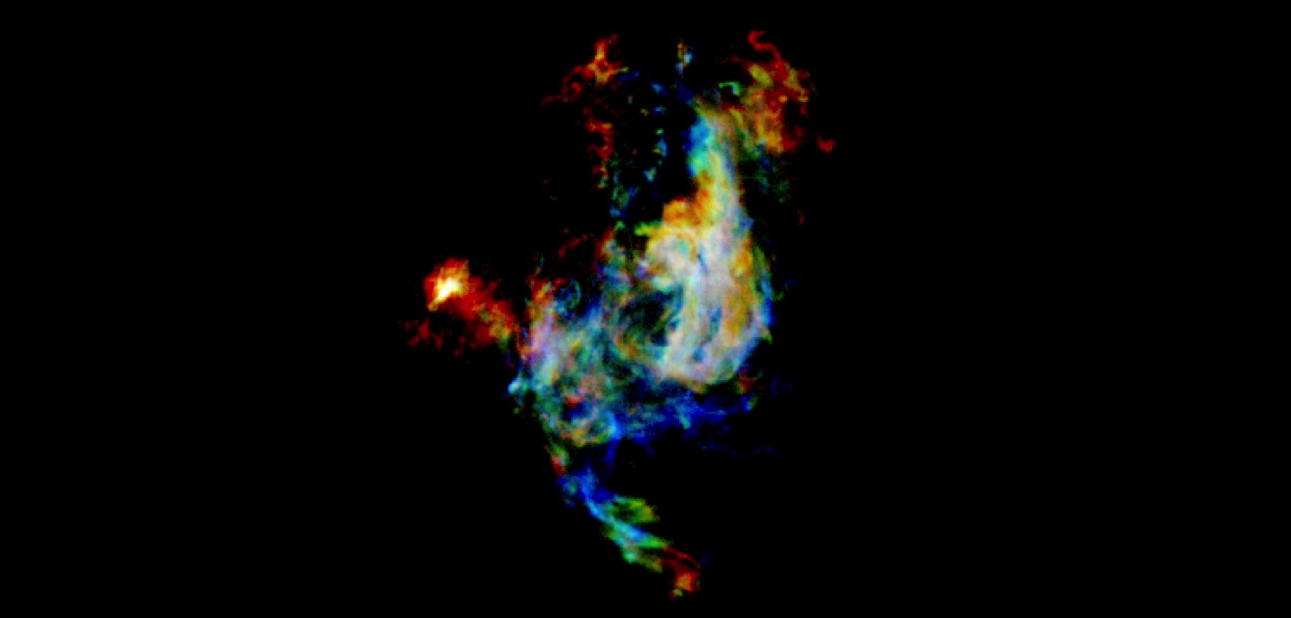
Spiral-Shaped Molecular Cloud Discovered 5,400 Light-Years Away in the Milky Way
A newly discovered molecular cloud in the Milky Way displays a surprising spiral structure.
 AAS Nova·17d ago
Spiral-Shaped Molecular Cloud Discovered 5,400 Light-Years Away in the Milky Way
A newly discovered molecular cloud in the Milky Way displays a surprising spiral structure.
aasnova.org·17d ago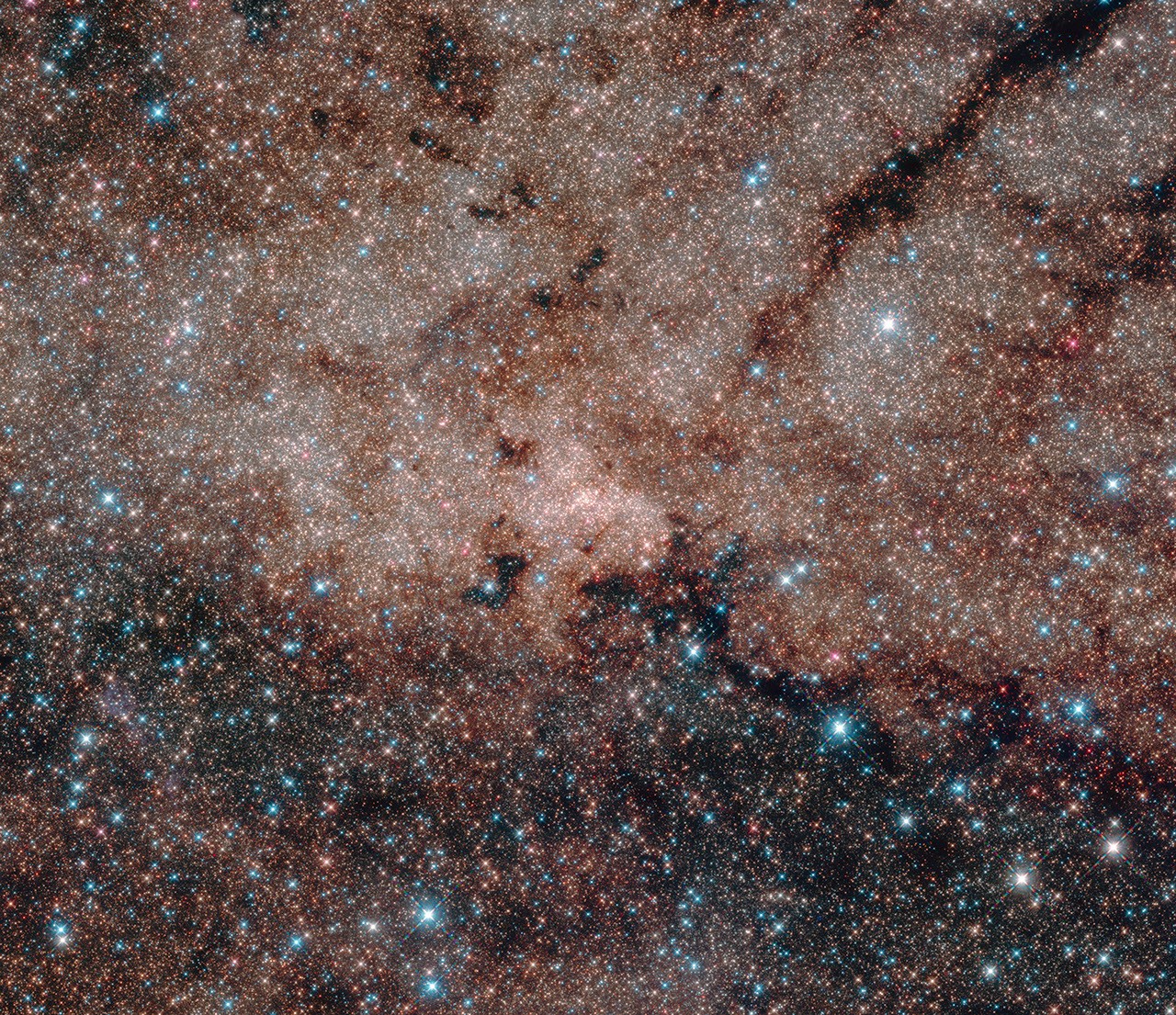
Hubble Reveals Half a Million Stars in Milky Way's Nuclear Star Cluster
Peering deep into the heart of our Milky Way galaxy, NASA's Hubble Space Telescope reveals a rich tapestry of more than half a million stars
 go.nasa.gov·6d ago
Comments
Sign in to join the conversation.
No comments yet. Be the first.