
























A Characterization of JWST MIRI Detector Persistence and Implications for High-Contrast Imaging
Alisha Vasan et al 2026 ApJS 282 57 When a bright star saturates the detector on JWST’s Mid-Infrared Instrument, the flux deficit that follows could produce false-positive exoplanet signals and…
Read the full articleYou might also wanna read


JWST/MIRI reveals young stellar objects and star formation in Centaurus A's warped dust disc
Centaurus A (Cen A), the nearest active radio galaxy, hosts a warped dust disc formed in a gas-rich merger. We present JWST/MIRI imaging in
 arxiv.org·2d ago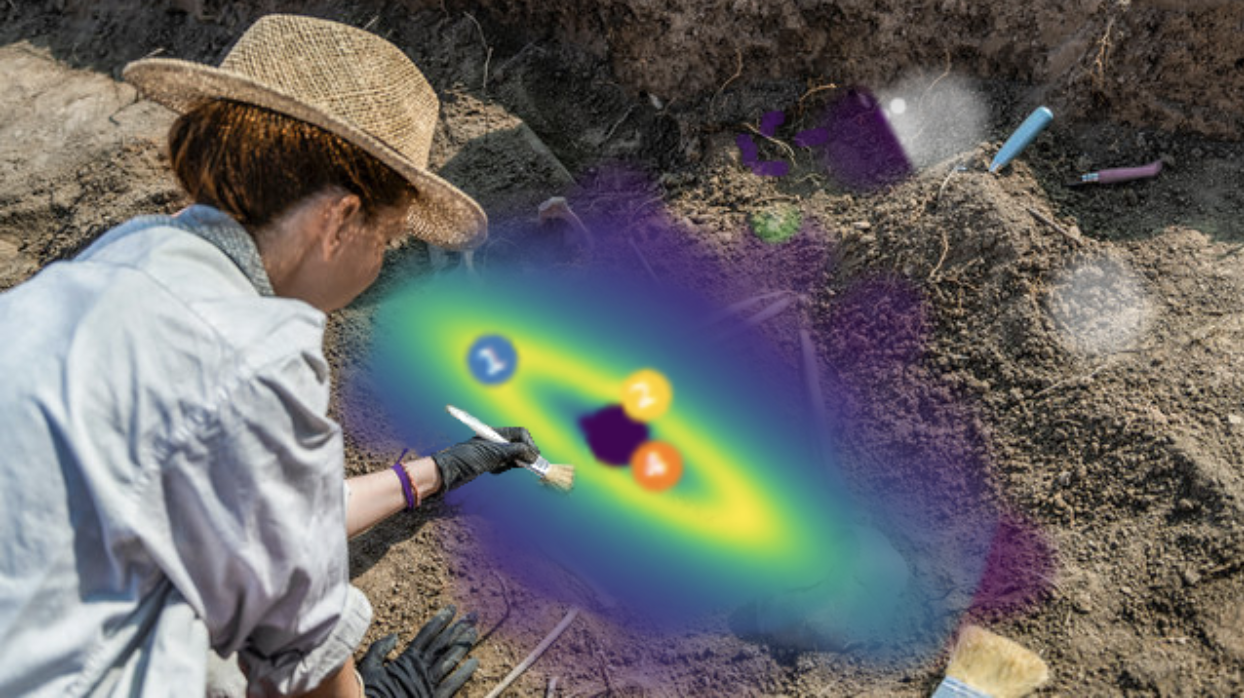
New imaging technique combines reference-star and angular differential imaging to reveal faint exoplanets and debris disks
What do astronomers and archaeologists have in common? Today's guest author discusses how faint exoplanet signals are extracted from their n
 astrobites.org·16d ago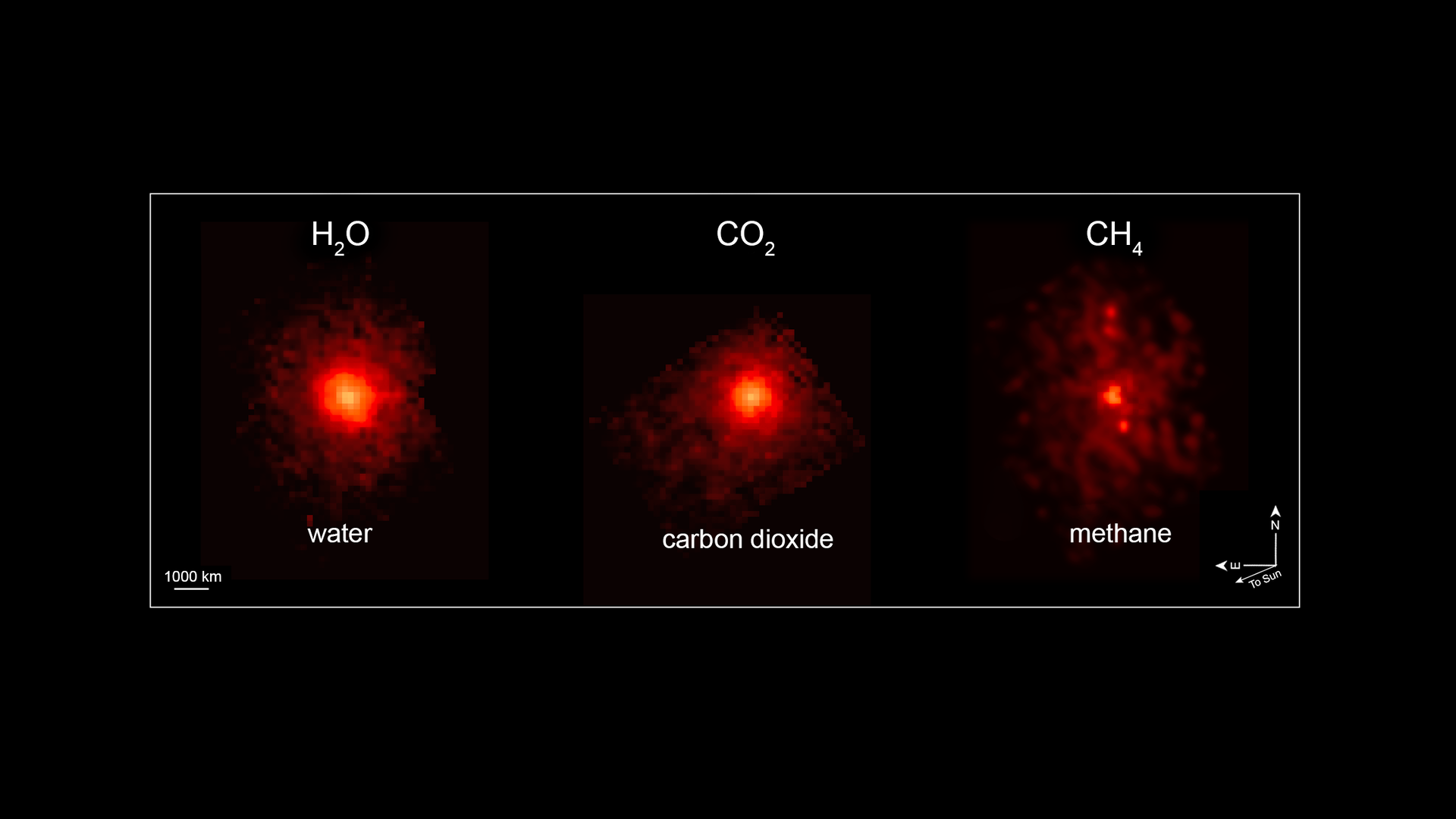
James Webb Space Telescope detects methane and other gases on interstellar Comet 3I/ATLAS
Webb's MIRI image of the interstellar Comet 3I/ATLAS in three different light wavelengths
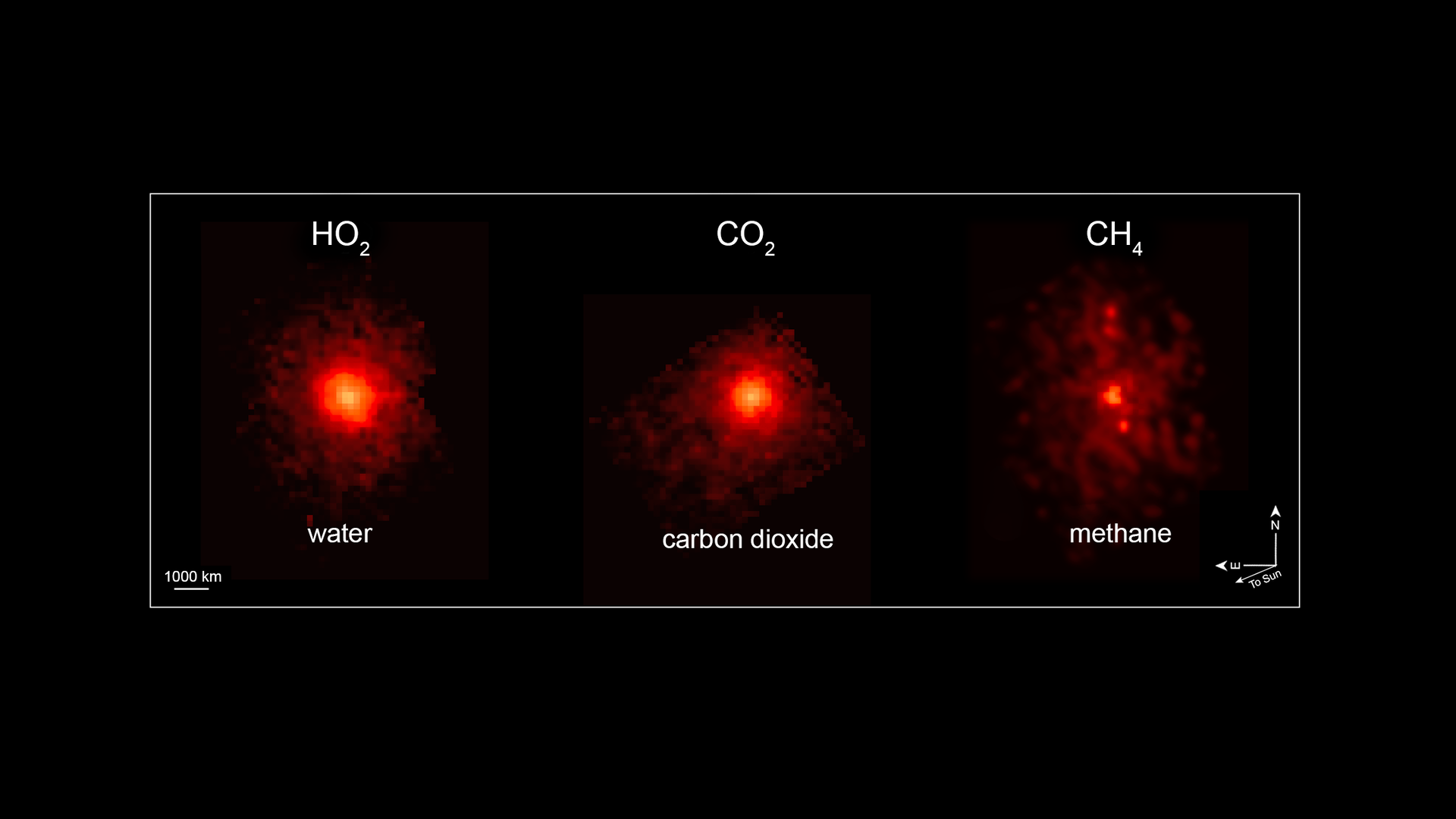
James Webb Space Telescope detects methane and other gases on interstellar Comet 3I/ATLAS
Webb's MIRI image of the interstellar Comet 3I/ATLAS in three different light wavelengths

Candidate Giant Planet Detected in Habitable Zone of α Cen A via JWST Observations
We report on coronagraphic observations of the nearest solar-type star, $α$ Cen A, using the MIRI instrument on the James Webb Space Telesco
arxiv.org·11mo ago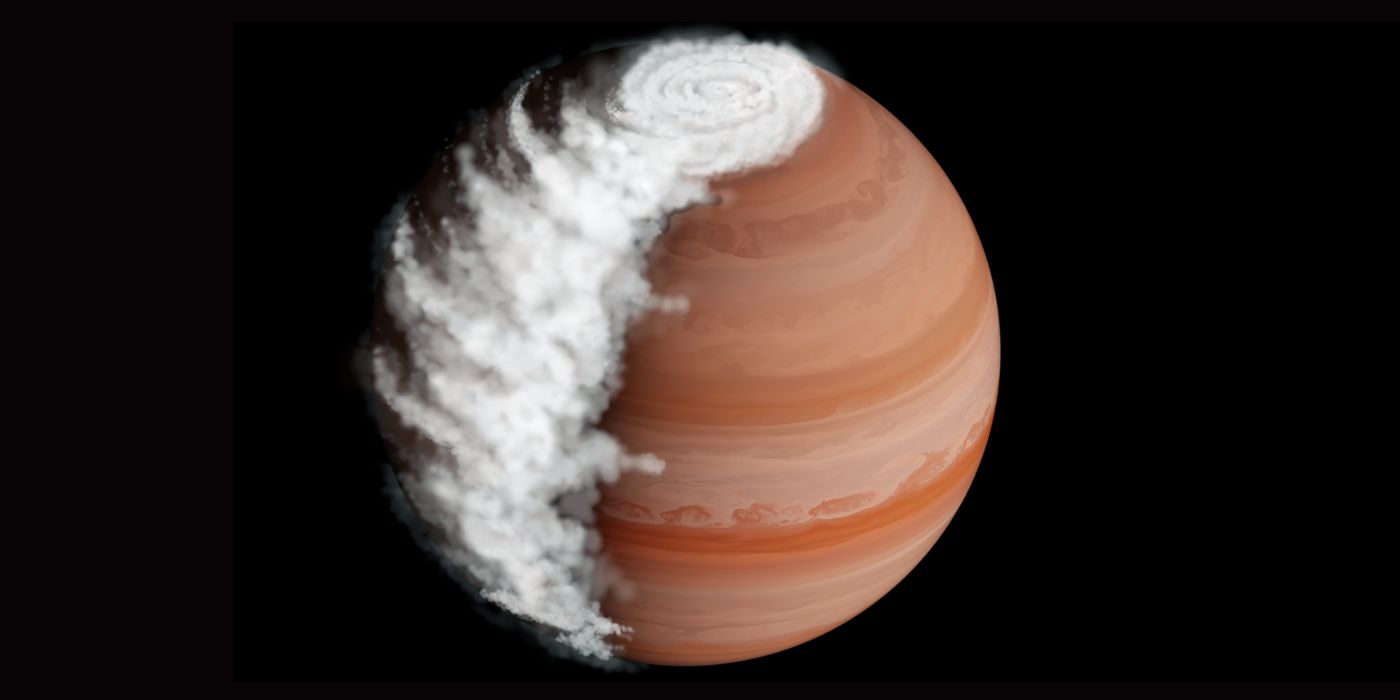
How Clouds Obscure Exoplanet Atmospheres: A Challenge for JWST and Astronomers
During a recent SETI Live conversation, SETI Institute research scientist Dr. Lauren Sgro sat down with Arizona State University postdoctora
 seti.org·7d ago
Comments
Sign in to join the conversation.
No comments yet. Be the first.