
























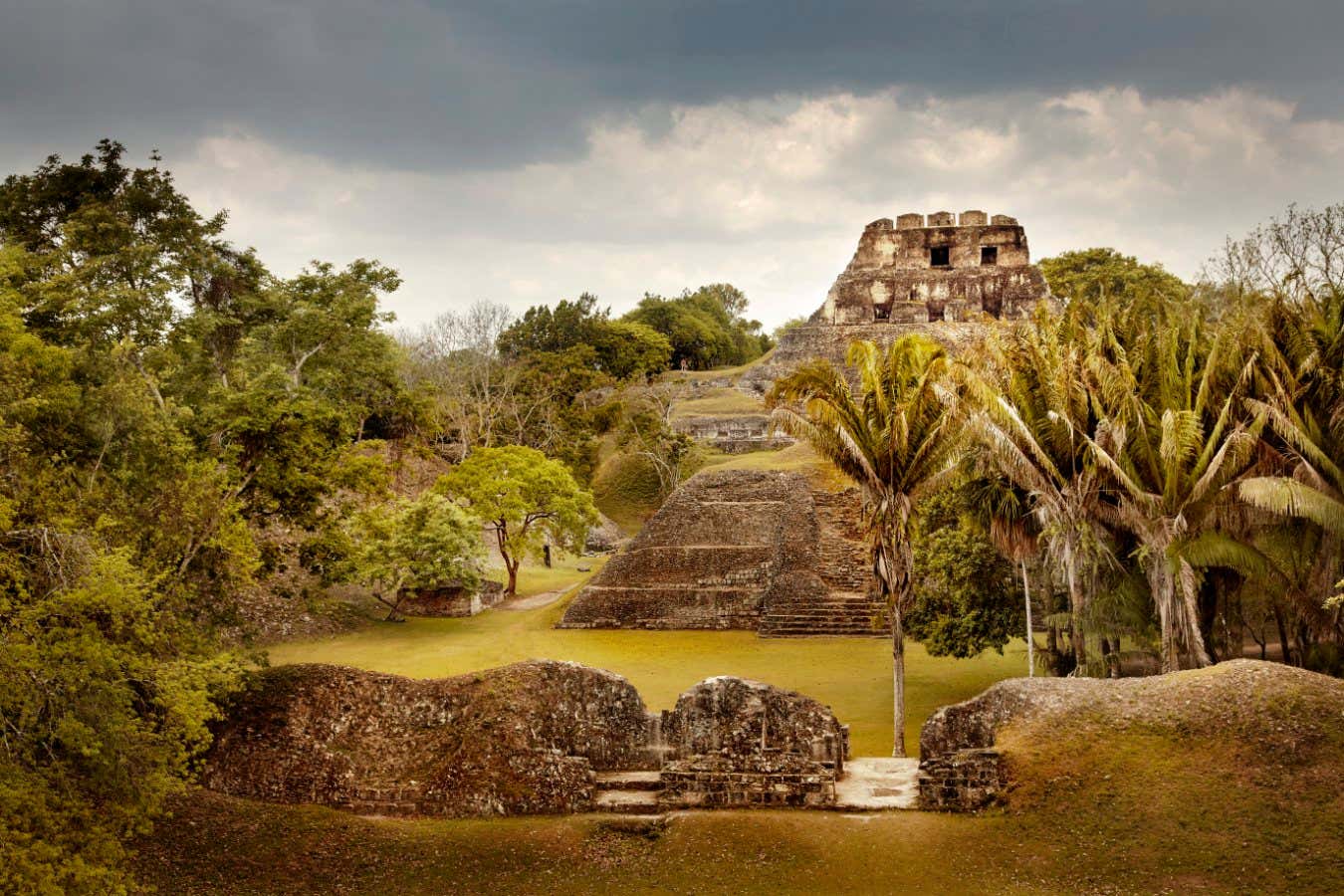
Ancient Maya ritual: Elite individuals' teeth placed in cave far from burial sites
By
Chris Simms
Summary
Archaeologists have discovered that elite Maya people during the Classic period (AD 250-900) had their teeth removed and placed in a cave far from their tombs. The teeth, found in a cave in Belize, belonged to dozens of important Maya individuals buried elsewhere. This practice may have been part of a ritual to venerate ancestors or ensure their safe passage to the underworld. The finding sheds light on Maya beliefs about lineage, power, and the afterlife, where the dead played an important role in legitimizing political and religious authority.
Source
 bskyAncient Maya ritual: Elite individuals' teeth placed in cave far from burial sitesnewscientist.com
Key quotes
· 5 pulledThe teeth of some important members of the Maya civilisation were removed and kept in a cave far from their tombs.
It may have been done to venerate ancestors or ensure they made it to the underworld.
During the Classic period (AD 250-900), Maya communities lived in cities spread across what is now southern Mexico, Guatemala, Belize and northern Honduras.
They spoke many languages, but were unified by a political and religious system in which lineage and rituals legitimised power.
As such, the dead were important, and the living often kept the remains of many deceased relatives.
You might also wanna read


Study suggests Neanderthals may have practiced primitive dentistry 59,000 years ago
A new study published in PLOS One suggests that Neanderthals may have practiced primitive dentistry. Researchers analyzed a 59,000-year-old
 Defector·1mo ago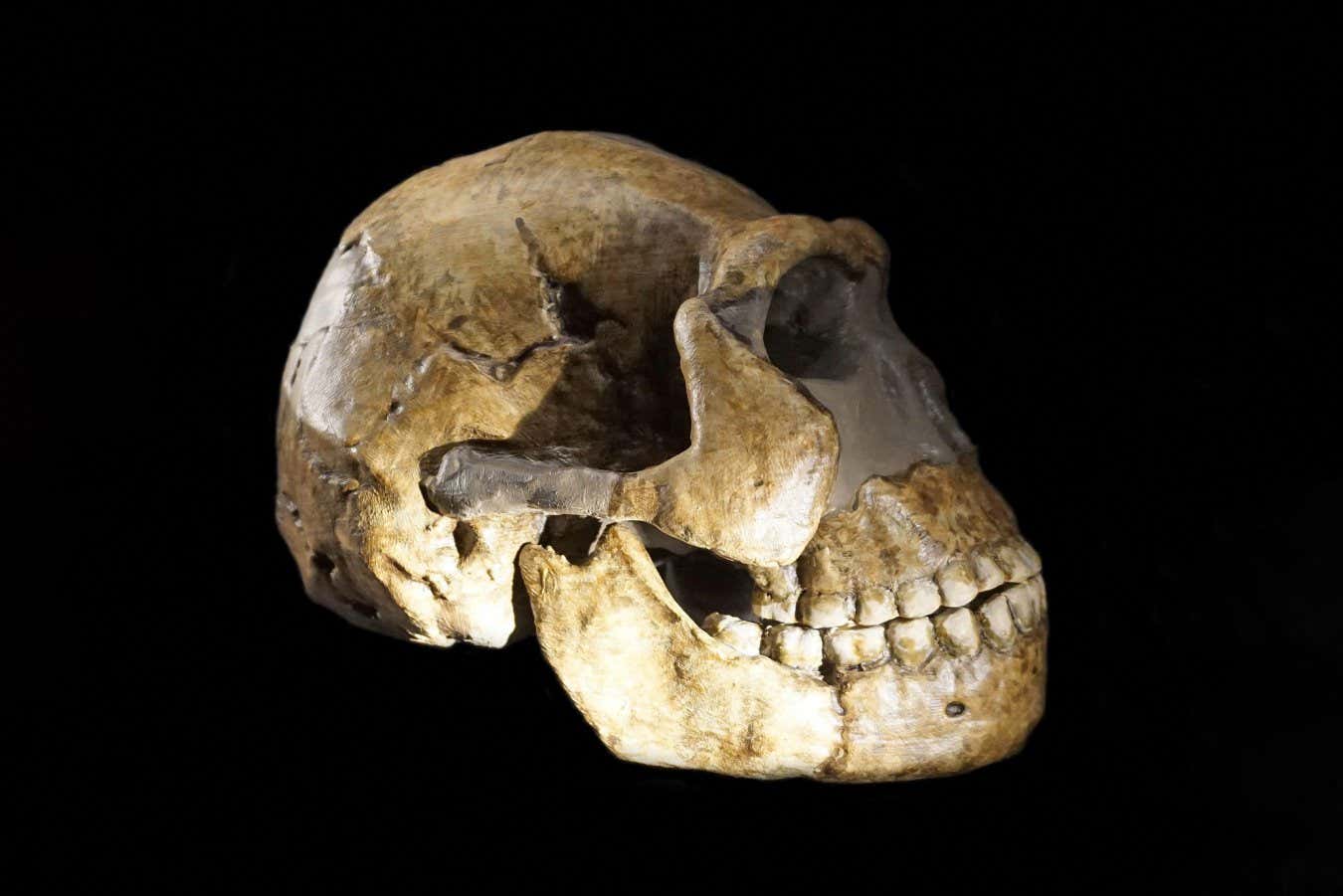
Protein analysis suggests all 23 Homo naledi skeletons from South African cave were female
An analysis of tooth proteins from all 23 Homo naledi skeletons discovered in the Rising Star cave system in South Africa suggests they were
newscientist.com·3d ago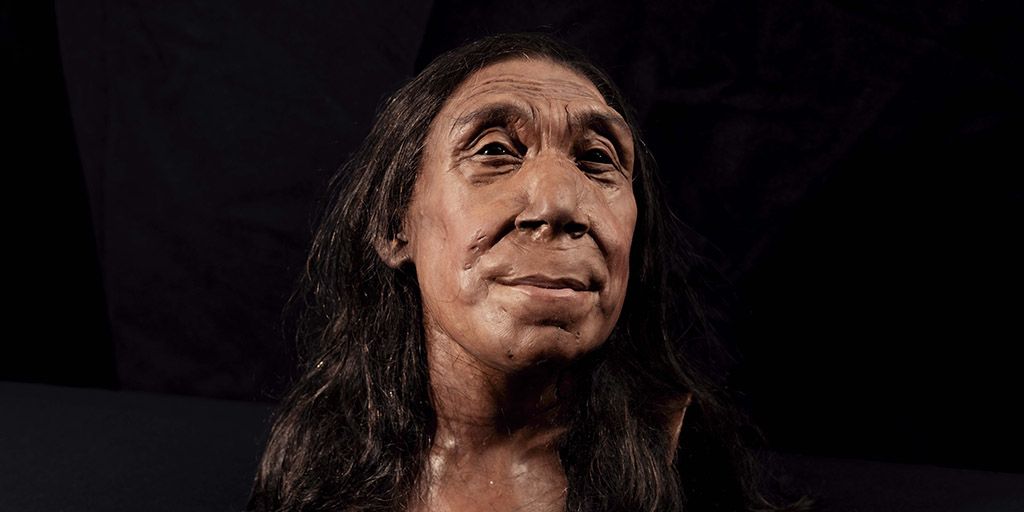
Archaeologists Reconstruct Face of 75,000-Year-Old Female Neanderthal from Iraqi Cave Burial Site
Archaeologists have reconstructed the face of a 75,000-year-old female Neanderthal named Shanidar Z, whose skull was discovered in a cave in
 cam.ac.uk·3mo ago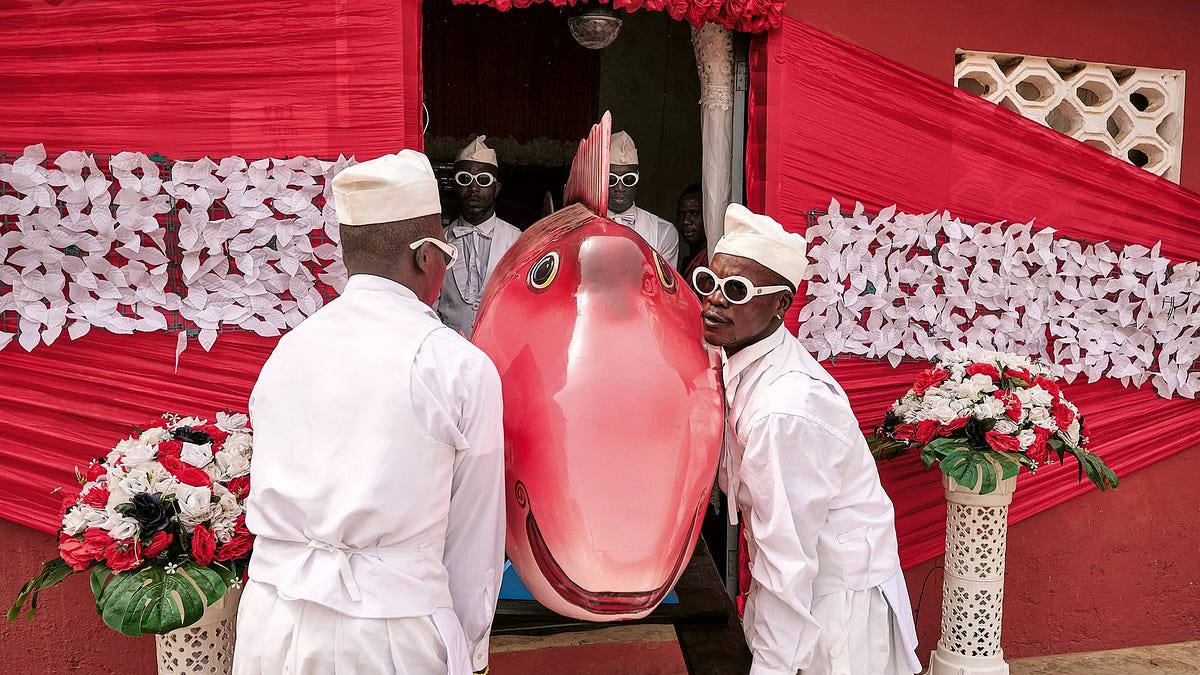
The Economic Burden of Funeral Traditions in Africa: How Elaborate Burial Practices Contribute to Poverty
The article examines how elaborate funeral traditions in Africa, particularly in Ghana, impose significant financial burdens on families and
 davidoks.blog·2mo ago
Egyptian Archaeologists Uncover 3,500-Year-Old Cemetery with Book of the Dead Papyrus in Al-Ghuraifa
Egyptian archaeologists discovered a New Kingdom cemetery in Al-Ghuraifa, central Egypt, containing rock-cut tombs, mummies, amulets, statue
 popularmechanics.com·3d ago
Egyptian Archaeologists Uncover 3,500-Year-Old Cemetery with Book of the Dead Papyrus in Al-Ghuraifa
Egyptian archaeologists discovered a New Kingdom cemetery in Al-Ghuraifa, central Egypt, containing rock-cut tombs, mummies, amulets, statue
popularmechanics.com·2d ago
Comments
Sign in to join the conversation.
No comments yet. Be the first.