
























Appears on



Articles18
Ransom demands are down, email is the top way attackers get in
An employee opens an email that looks like any other, clicks a link, and gives up a password without noticing. A stolen login opens a door deeper in the network. Files stop opening a few days later. That chain now sits at the front of most ransomware cases. Malicious email and phishing together account for half of all incidents, based on a survey of 2,158 IT
What public money does to open-source projects
Most of the software running inside a typical company was written by volunteers the company never paid. Open-source code sits under web apps, build pipelines, and the machine learning stacks getting so much attention right now. Roughly 96 percent of codebases carry some of it. That dependence turned visible in December 2021, when the log4j flaw exposed appli
Reading between the lines of a cyber insurance policy
Enterprises in regulated industries often carry cyber insurance policies because contracts require it or boards ask for documented risk transfer. The global market for these policies reached about $16 billion in premiums in 2024. Coverage has become widespread. Payouts have grown less predictable. The gap between exposure and coverage The Global Federation o
GPT-Red beat human red teamers on a prompt injection test
GPT-Red is an automated red-teaming model that OpenAI trains to find prompt injection weaknesses. It works the way a human red-teamer does. It sends a prompt, watches how a GPT model responds, and iterates toward a goal such as a successful data exfiltration. Training runs on self-play reinforcement learning, with GPT-Red and a set of defender models learnin
Companies keep getting breached by vulnerabilities they already knew about
Scanning tools have gotten good at their work. Organizations now find more weaknesses across more of their systems than at any earlier point in the industry’s history. A survey from the security firm Vicarius points to a gap that opens after that discovery, in the work of assigning, approving, deploying, and confirming a fix. The company surveyed 300 IT and
No one knows how many old shims can still bypass UEFI Secure Boot
The vast majority of UEFI computers carry a Microsoft certificate that will trust a small first-stage loader called a shim, a program Microsoft signs so that Linux and assorted boot tools can run with Secure Boot on. Eleven of those signed shims turned out to be old enough to undo the protection they were meant to support. ESET researchers found the vulnerab
The best defense against AI attacks turns out to be a skeptical human
Analysts across the security industry now run generative AI through their daily work, from log triage to incident write-ups. Active use in cybersecurity strategy reached 78% of practitioners in 2026, up from half the field a year earlier. The 2026 SANS AI Survey, drawn from 536 IT and security professionals, describes what that commitment costs to keep. Reli
Fake OAuth client IDs are helping attackers slip past sign-in logs
Attackers running account enumeration against Microsoft cloud tenants have added a step that keeps their probing out of the usual telemetry. They spoof the OAuth client ID, the globally unique identifier assigned to an application and passed as client_id in an authentication request. Microsoft Entra ID records that value as the application ID in its sign-in
Cynative: Open-source deep research agent
Running a large language model against a live cloud account to hunt for security holes comes with an obvious hazard. An agent that holds real credentials and a mandate to poke around can delete a bucket, flip a permission, or leak a secret on its way to a finding. Cynative, an open-source security research agent, answers that hazard by refusing to write anyt


Study reveals encrypted DNS still leaks metadata through plaintext headers, proposes header elision fix
 Shared by @nono2357.bsky.social ↗
 helpnetsecurity.com24d ago
AI adoption in SOCs outpaces governance, creating a staffing-driven visibility gap
 Shared by @helpnetsecurity.com ↗helpnetsecurity.com29d ago
AI-driven bug hunting pushes 2026 CVE disclosures toward 66,000
 Shared by @hacker.at.thenote.app ↗helpnetsecurity.com1mo ago
Onspring CISO Nichole Windholz on the limitations of automated GRC dashboards and risk measurement
Shared by @helpnetsecurity.com ↗helpnetsecurity.com1mo ago
NIST mathematical proof shows AI guardrails can never be fully secure against all prompts
Shared by @helpnetsecurity.com ↗helpnetsecurity.com1mo ago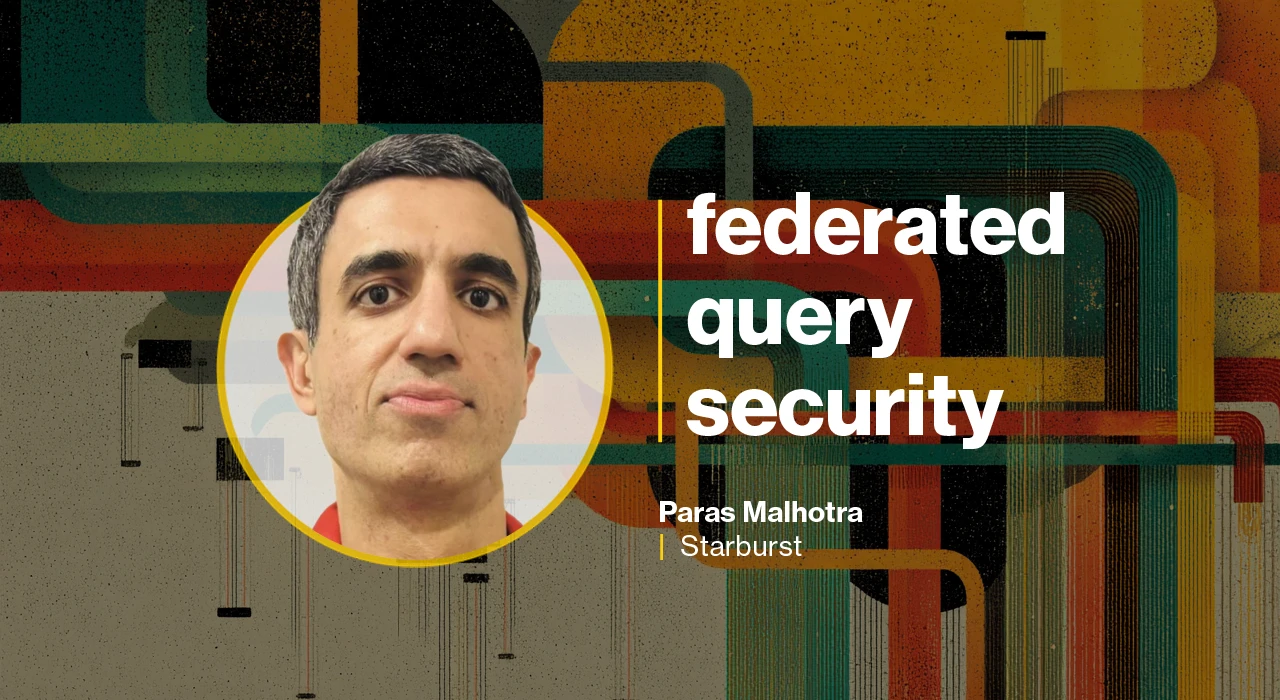
Starburst CISO on federated query security, layered access controls, and governing AI agents
Shared by @helpnetsecurity.com ↗helpnetsecurity.com1mo ago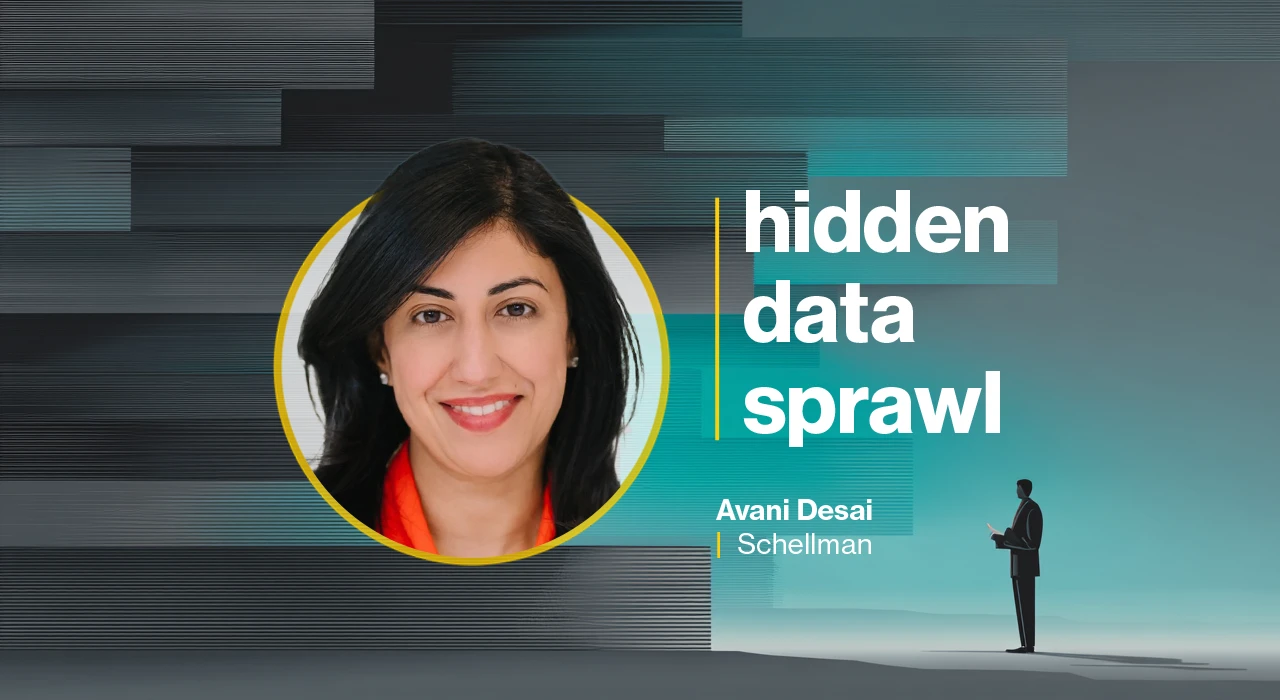
Schellman CEO Avani Desai on data discovery blind spots, shadow data risks, and compliance gaps
Shared by @hacker.at.thenote.app ↗helpnetsecurity.com1mo agoSchellman CEO Avani Desai on data discovery blind spots, shadow data risks, and compliance gaps
Shared by @hacker.at.thenote.app ↗helpnetsecurity.com1mo ago
OWASP Agent Memory Guard: Open-source runtime defense against AI agent memory poisoning attacks
Shared by @helpnetsecurity.com ↗helpnetsecurity.com1mo ago