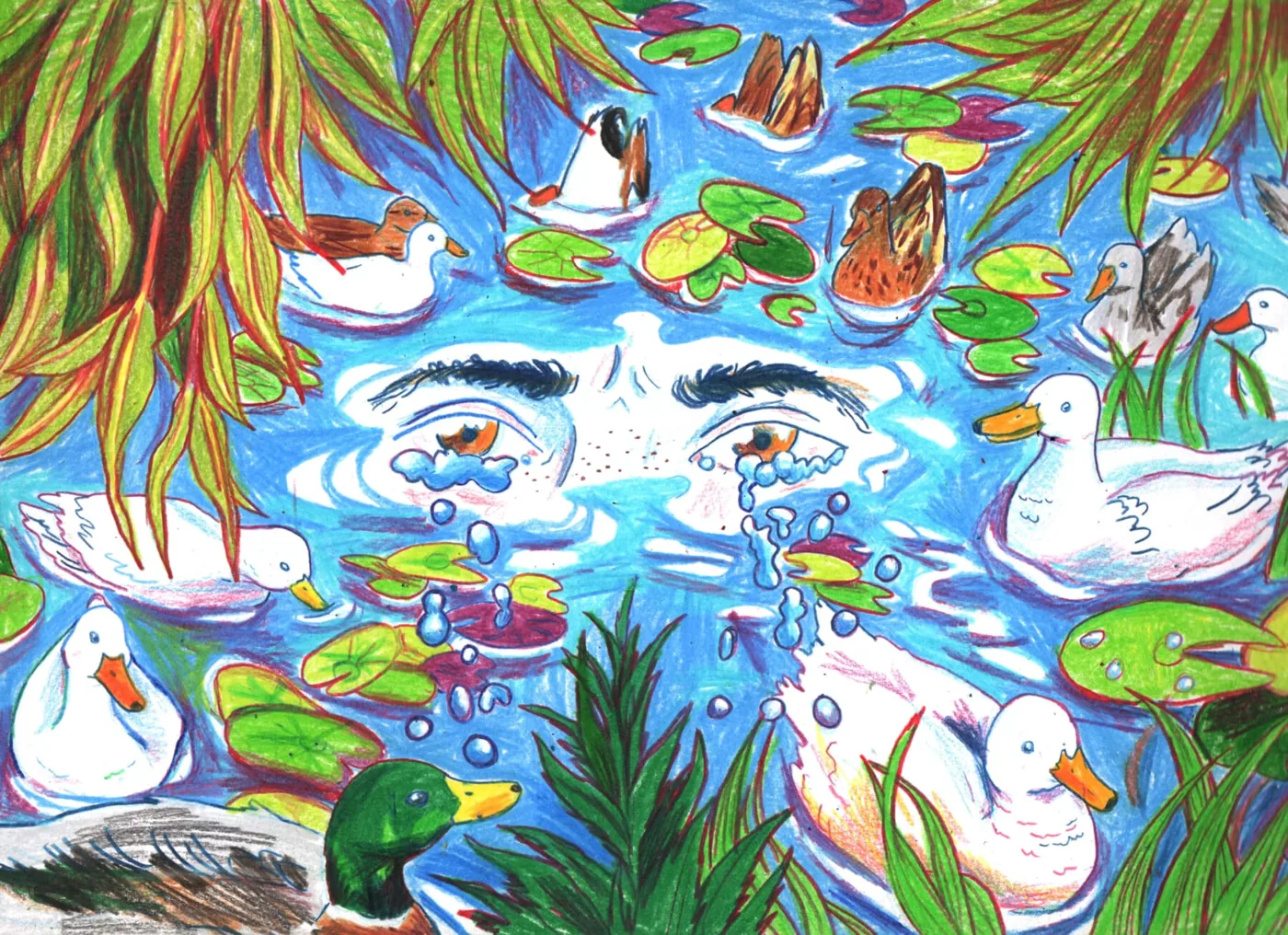
A memoir about a disputed third-arm growth turns a rare bodily anomaly into a meditation on medical uncertainty and identity. The piece questions what it means to be seen as imperfect when doctors can't agree on what you are.
memoirFriday, July 17, 2026
Memoir as lens on body, music, and loss
Today's memoir writing turns the personal into a prism: a rare birth defect, a radio-era soundtrack, a surgeon grandfather, a child's death, and a quantum physicist's journey. Each piece uses a specific experience to refract something larger, medical uncertainty, innocence, war, grief, or the nature of reality.
Bodies and anomalies
Two memoirs use the body as a site of mystery and meaning.
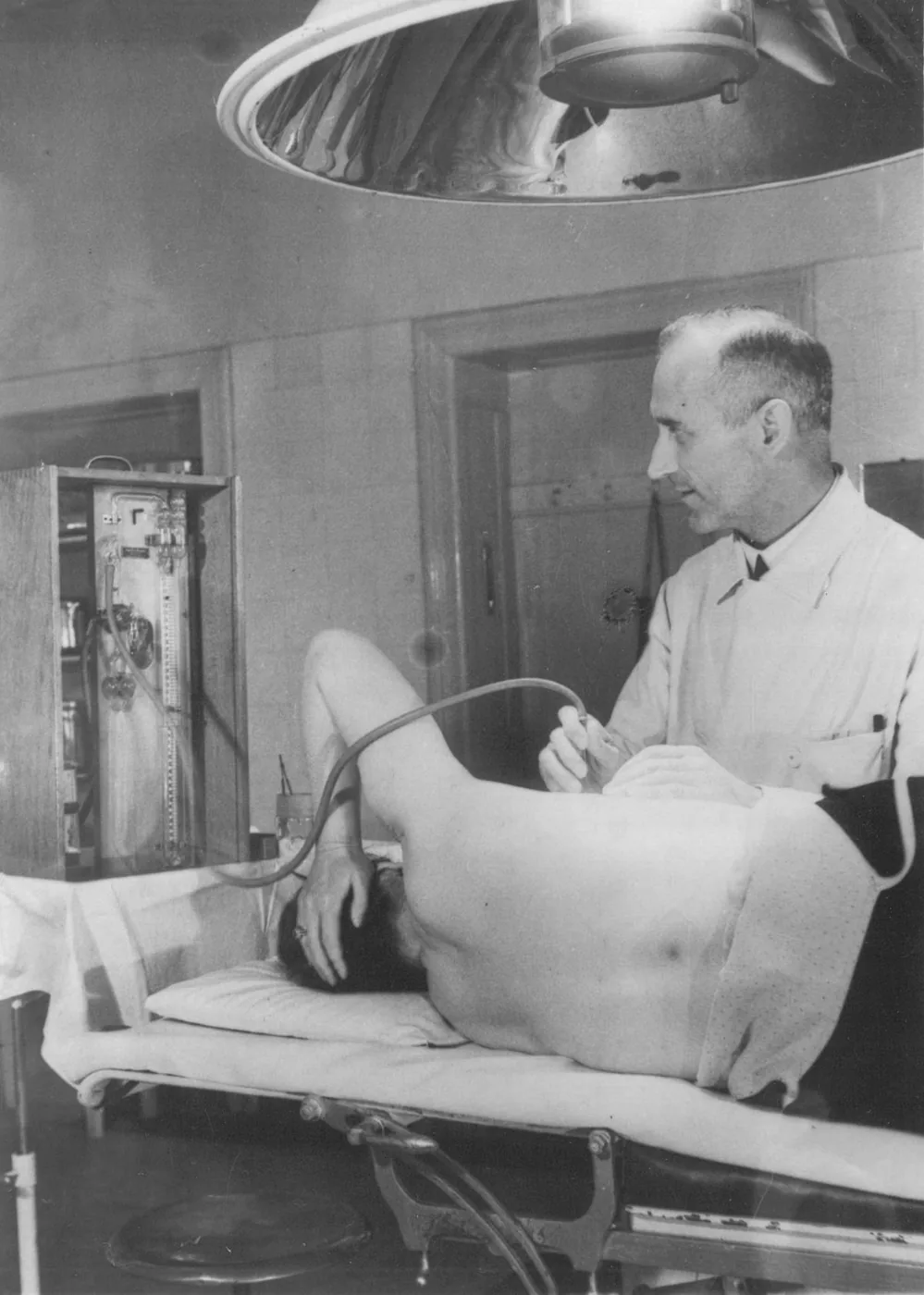
A thoracic surgeon grandfather who collapsed tuberculosis patients' lungs in wartime Berlin becomes the center of a piece that blends medical history with personal reckoning. The moral weight of healing under fascism is the unspoken subtext.
Music and memory
Sound becomes a time machine for two writers.
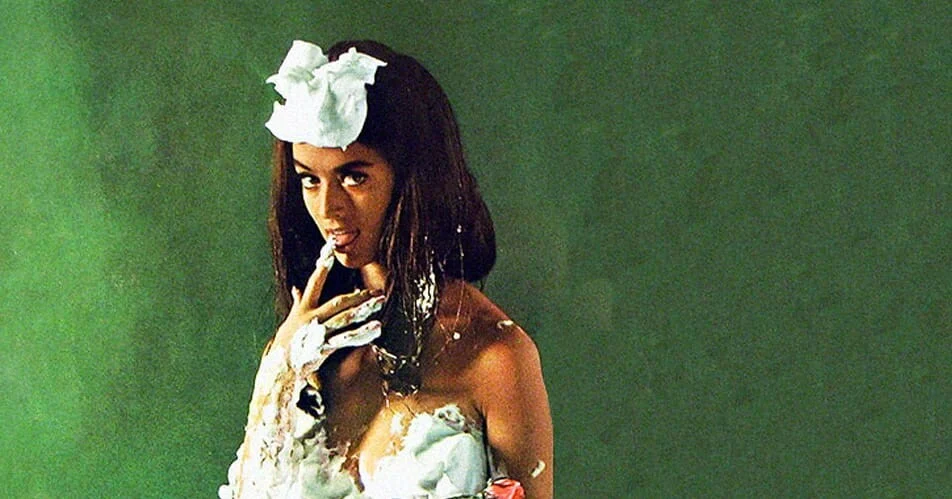
Nate Wooley's lyrical essay uses Herb Alpert's 'Rise' and 1980s AM radio to explore how bland, hopeful adult contemporary music can carry deep emotional memory. It's a meditation on innocence and the sound of a specific time and place.
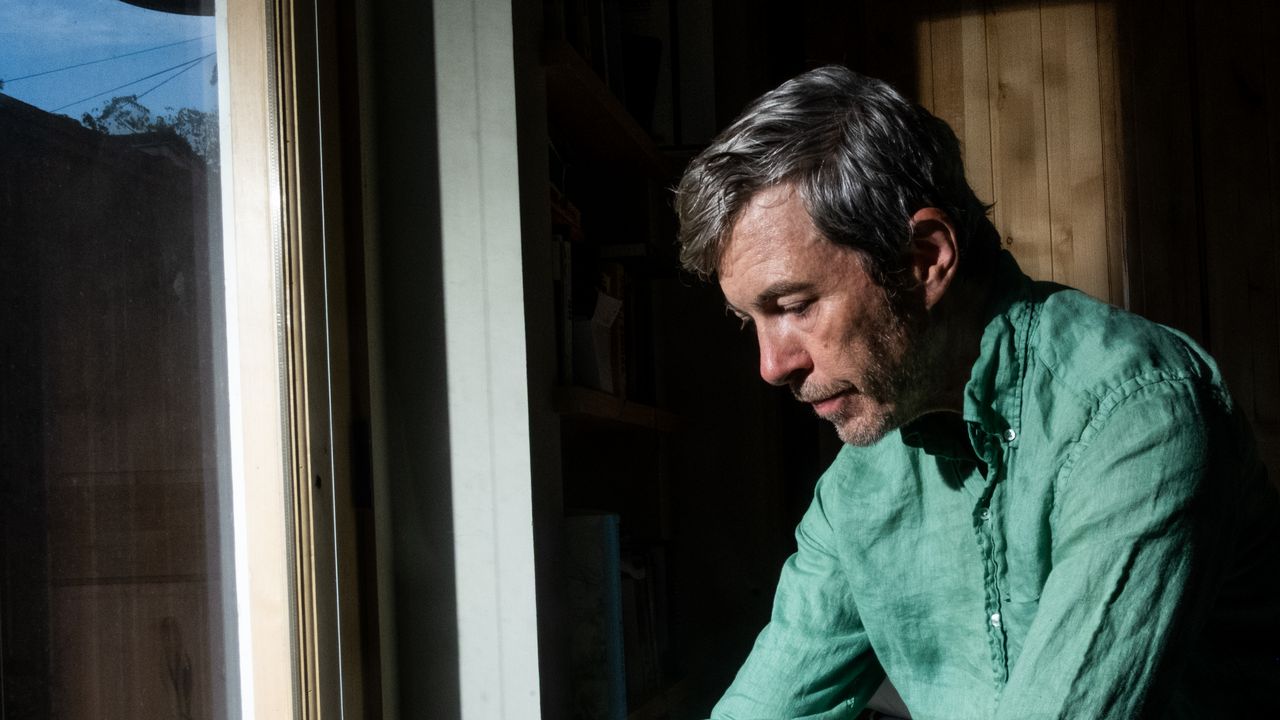
Bill Callahan narrating a memoir about a toddler's death is a striking pairing, the singer's deadpan voice will carry Matthew Schnipper's grief. A preview clip has Callahan reading about introducing the child to death metal, which sets the tone.
Quantum memoir
A scientist maps her life onto physics.
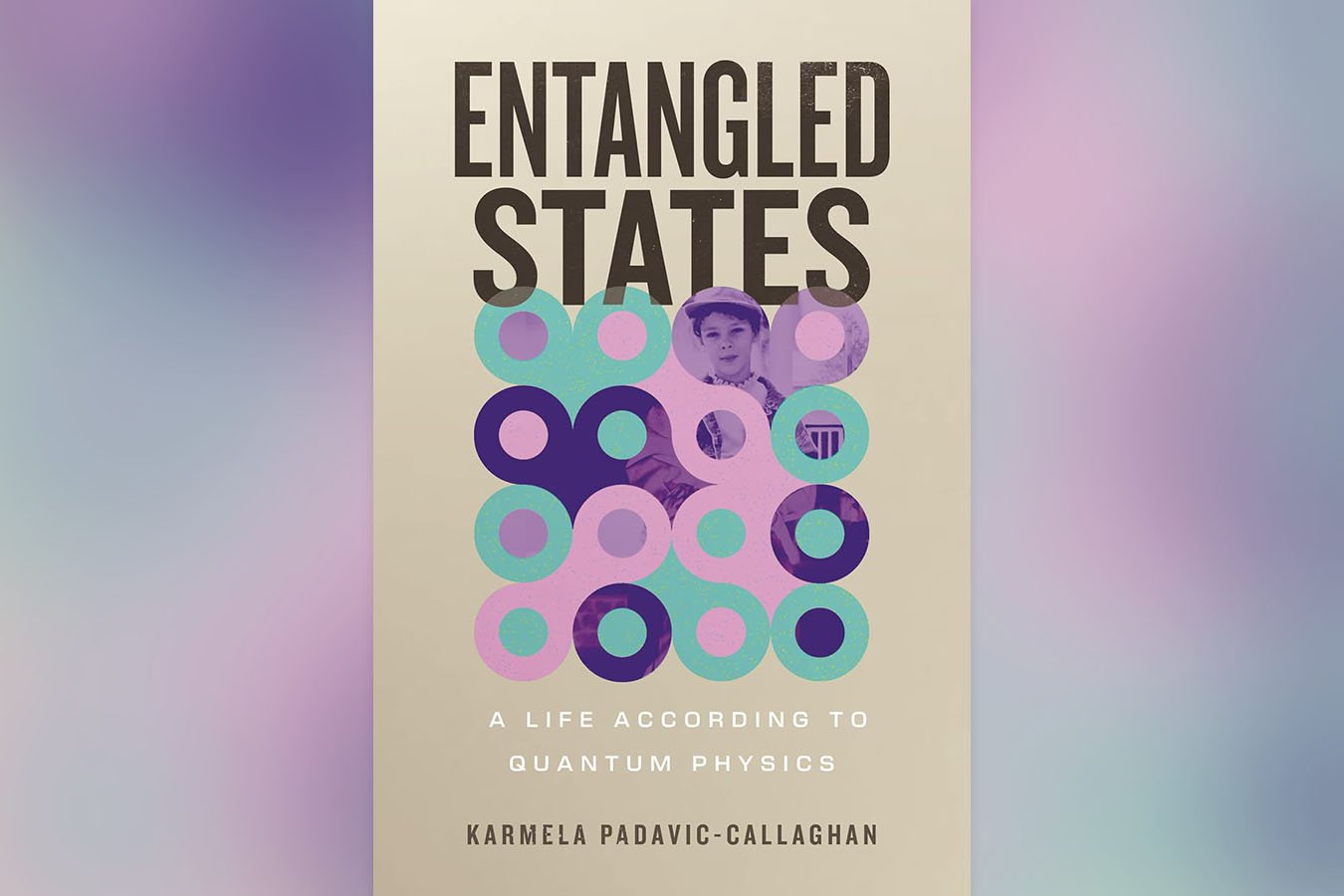
A review of 'Entangled States' argues that quantum physics can be a framework for a queer immigrant's life story. The reviewer was skeptical but came away convinced, suggesting the book succeeds where similar attempts often fail.
More roundups that day
wellness roundupvolufiline, Blue Zones, and burnout
sustainability roundupAnimation gets its own green certification
open source roundupOpen source AI hits a capability milestone
real estate roundupHousing market pain deepens across the U.S.
literature roundupNolan's Odyssey and Paris Review classics
interviews roundup