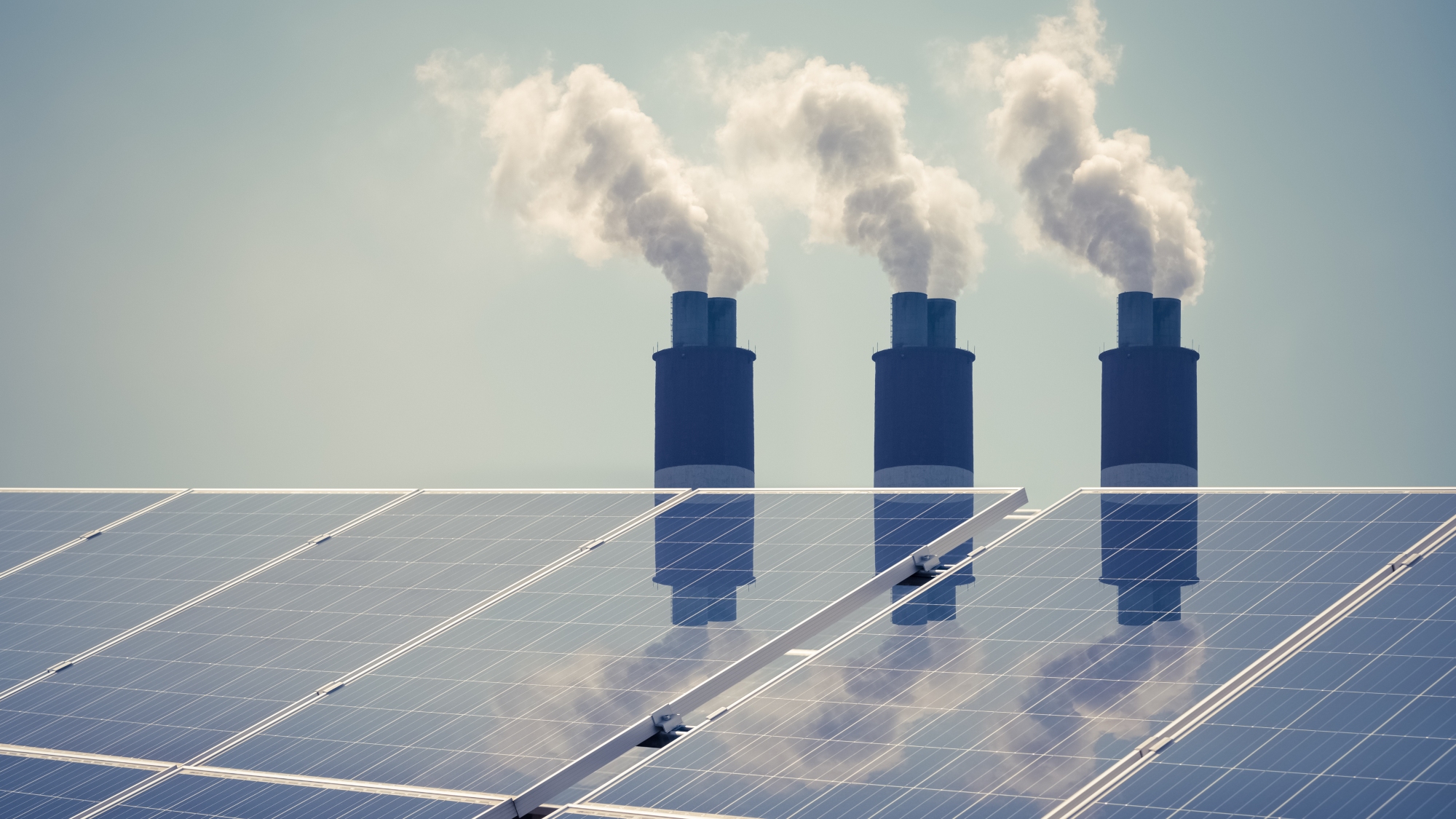
For the first time, US solar generated more electricity than coal in May (12.8% vs 12.2%). It's a symbolic milestone that underscores how fast the grid is changing.
environmentSaturday, June 20, 2026
Solar milestone, water wars, and AMOC alarm
Today's environment stories are split between genuine progress and deepening contradictions. Solar power just beat coal in the US for the first time, and a new desalination breakthrough could solve a major pollution problem. But the same week, Alberta slapped a controversial recycling fee on panels, data centers are draining aquifers in the desert, and the Atlantic current that keeps Europe livable may be collapsing much faster than anyone thought.
Solar's mixed signals
Two bright spots for solar energy are tempered by a policy fight in Canada.

Alberta is imposing a $14 recycling fee on new solar panels starting October, the first in Canada. Industry says it will kill investment; the government calls it proactive. It's a concrete test of who pays for solar's end-of-life costs.
A new solar-powered desalination system produces fresh water without toxic brine, solving one of desal's biggest environmental problems. The tech uses laser-textured metal panels and has been tested with real seawater.
Data centers vs. water
Multiple reports this week show the tension between AI growth and water scarcity playing out in the US, Canada, and globally.
Project Jupiter, a massive data center in New Mexico's desert, has locals worried about water for farming. Developers say there's enough, but skepticism runs deep.
Climate tipping points
The big-picture warnings keep coming, from a faster AMOC collapse to the UK's drought preparedness.

The Guardian reports that AMOC collapse could happen 10 times faster than expected, with Europe's climate changing drastically. The piece argues the monitoring gap is like ignoring an asteroid heading for Earth.
Also today11
98% Greenwashing: Big Meat Follows in Big Oil’s Footstepssentientmedia.org
Four Va. counties will pump almost 20 million gallons of water a day to Amazon. Cause for concern?virginiamercury.com
Holt government refuses data centre moratorium as activists rally against Lorneville projectnbmediacoop.org
Donald Trump, Champion of Renewable Energypaulkrugman.substack.com
It’s 50 years since the 1976 drought: how would the UK cope with its next major one?tcnv.link
DOJ Lawyers Argue xAI Is ‘Vital’ for National Security in NAACP Lawsuitwww.wired.com
Trump administration reverses decision to scrap ocean monitoring systemwww.theguardian.com
The Trump administration reversed its decision to dismantle the $368 million Ocean Observatories Initiative (OOI) after backlash from lawmakers and ocean experts. The National Science Foundation announced it would halt plans to remove equipment from the deep-sea observation array
Clean energy saved EU €51 billion in 2025 by cutting fossil fuel imports - as solar leads the waywww.euronews.com
Europe saved an estimated €51 billion in 2025 by reducing fossil fuel imports through increased investment in wind and solar energy, according to energy think tank Ember. The shift to renewables has not only generated significant cost savings but also improved energy security ami
They built 100 wind turbines in Tasmania before realizing they stood in the path of a critically endangered parrotwww.ecoportal.net
A 900 MW wind farm proposed for Robbins Island in North West Tasmania is facing backlash from environmentalists because the turbines would be placed in the flight path of a critically endangered parrot species. The article highlights the conflict between renewable energy developm
The Conversation: Trump’s Reflecting Pool Problemwww.newsweek.com
The article covers public and reader reactions to the $14 million renovation of the Lincoln Memorial Reflecting Pool, which turned green due to an algal bloom shortly after being refilled. The renovation was part of President Trump's beautification efforts aimed at giving the poo
AI’s environmental costs threaten water, land and climatenews.un.org
AI's growing environmental footprint extends beyond carbon emissions to include massive water and land consumption. Data centres powering AI could consume 945 terawatt-hours of electricity annually by 2030 — nearly triple the combined electricity use of Pakistan, Bangladesh, and
More roundups that day
space industry roundupSpaceX's post-IPO identity crisis deepens
publishing roundupAI controversy shakes publishing world

psychology roundupThe psychology of over-explaining and stigma today
entrepreneurship roundupCashing out and focusing up
history roundupJuneteenth, dictators' chefs, rare cauldron
photography roundup