CNBC reports that many colleges are slow to integrate AI across disciplines, risking graduates who are unprepared for a job market that increasingly demands AI literacy.
educationSunday, June 28, 2026
Colleges are caught between teaching foundational skills and the fast-moving demands of AI. Today's stories show the tension: employers want AI fluency, artists want a ban, and students are finding workarounds. The thread is that education is struggling to keep pace with a technology that keeps changing the rules.
The debate over AI in education sharpened today, with calls to both embrace and ban the technology.

CNBC reports that many colleges are slow to integrate AI across disciplines, risking graduates who are unprepared for a job market that increasingly demands AI literacy.
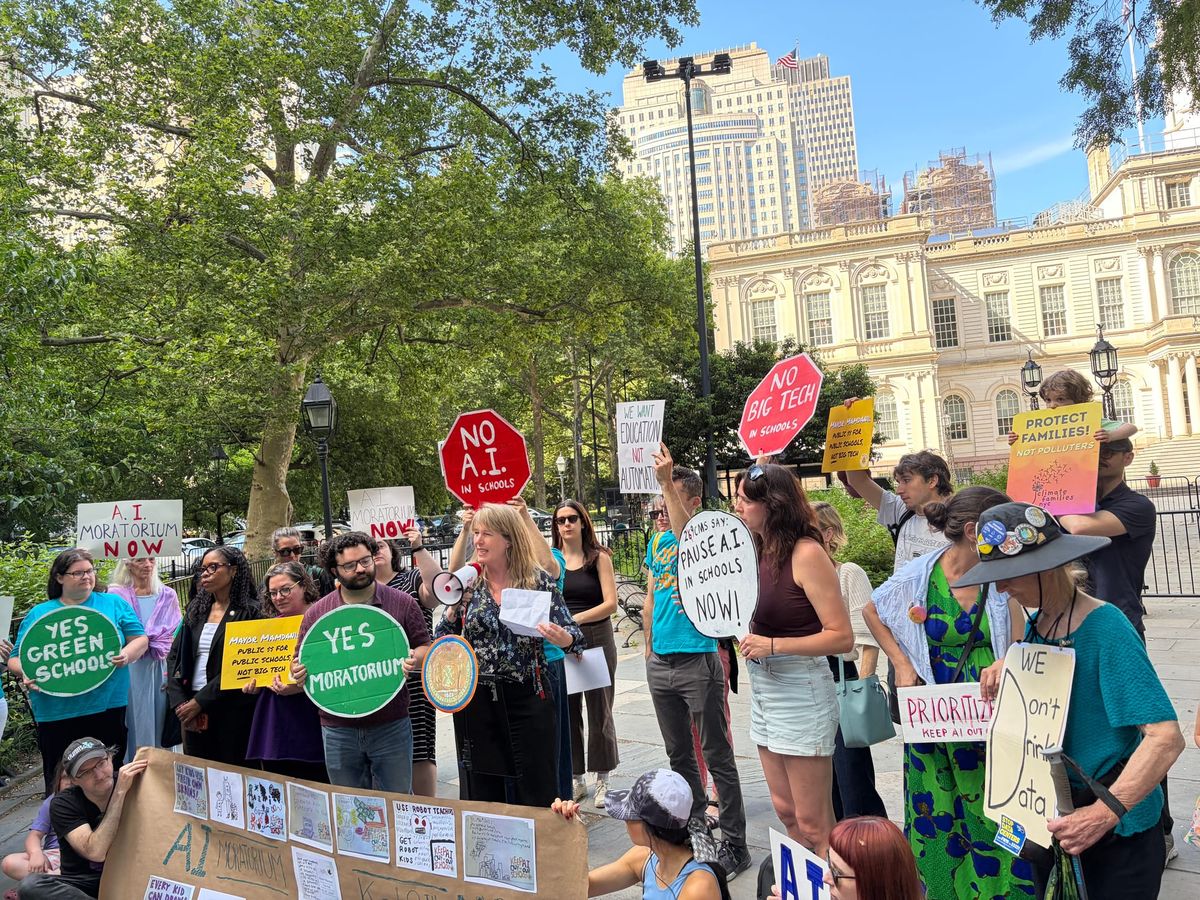
Hundreds of NYC artists, including Nan Goldin, have asked the mayor to ban AI in public schools, arguing it threatens creative development and critical thinking.
CNN reports that AI-powered smart glasses are fueling a cheating epidemic in exam-obsessed East Asian countries, forcing educators to rethink test security.
Beyond the classroom, the conversation turned to what skills actually matter for the AI-driven job market.
The Atlantic notes that philosophy graduates are in demand at AI companies for ethics and reasoning roles, a shift from the discipline being seen as impractical.
An argument that college graduates should prioritize developing 'agency', the ability to self-teach and solve unfamiliar problems, over chasing temporary tech skills.
Inspectors general urge proactive reviews to catch foreign funding omissions and cyber noncompliancecitizenportal.ai
Two agency inspectors general (NSF and NASA) testified before a subcommittee that proactive reviews, data analytics, and targeted investigations are more effective than waiting for whistleblower complaints to detect grant fraud, foreign funding disclosure omissions, and cybersecu
energy roundup