





















The Psychology Behind the Backrooms: How Liminal Spaces Became a Horror Phenomenon
By
Soo Kim
Summary
The article explores the psychological appeal of "liminal spaces" and the Backrooms horror concept, which has evolved from an obscure internet meme into a Hollywood film directed by Kane Parsons and starring Chiwetel Ejiofor. Psychologists explain that the unsettling familiarity of empty, mundane spaces like offices and hallways triggers a sense of wrongness and existential dread, tapping into primal fears of isolation, the uncanny, and the unknown. The piece connects the viral phenomenon to deeper psychological principles about how our brains react to environments that are almost normal but subtly off.
Source
 bskyThe Psychology Behind the Backrooms: How Liminal Spaces Became a Horror Phenomenonow.ly
Key quotes
· 3 pulledThe Backrooms taps into a very specific kind of dread—the feeling that something is deeply wrong in a space that should be familiar and safe.
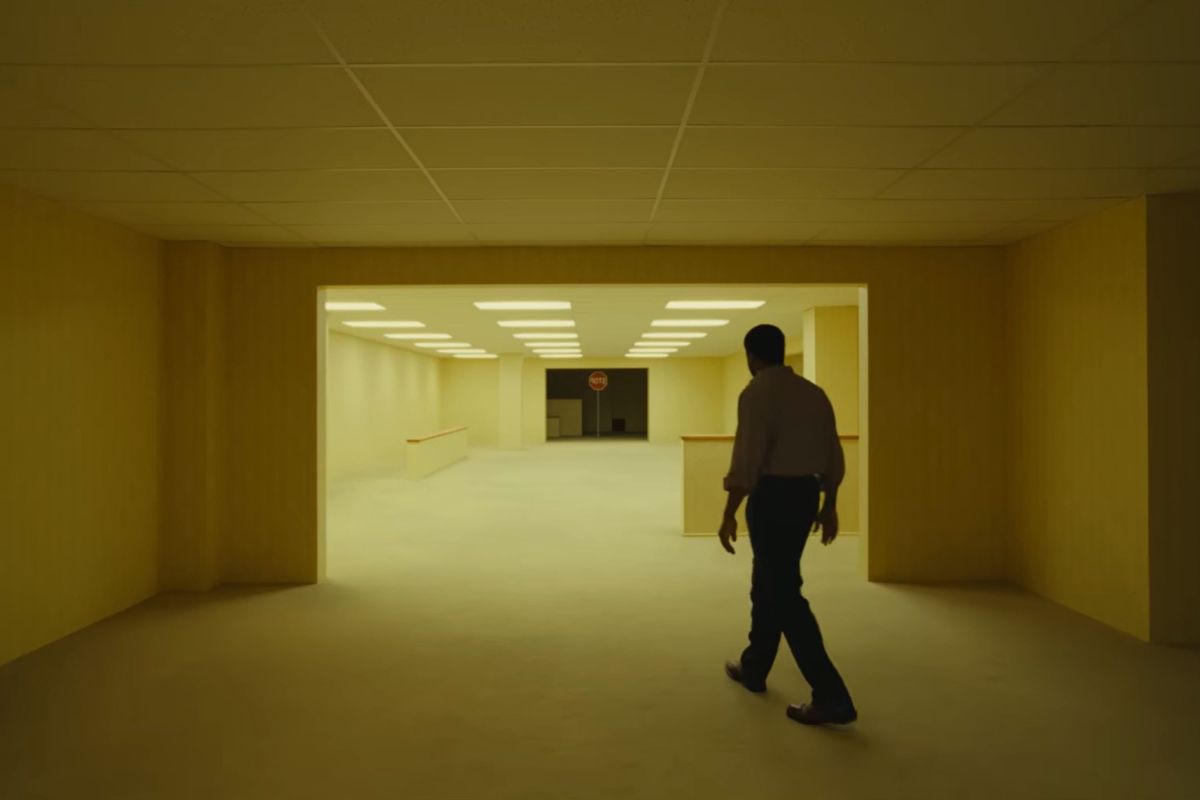
Liminal spaces are transitional or threshold spaces. They're places of in-between, like hallways, waiting rooms, or empty parking lots. They're not destinations—they're places you pass through.
What makes the Backrooms so effective is that it takes the most mundane, boring environment imaginable and twists it just enough to feel threatening.
You might also wanna read


'Backrooms' Review: Kane Parsons' Liminal Space Horror Film Starring Chiwetel Ejiofor
A review of Kane Parsons' film "Backrooms," a surreal horror movie in the tradition of "Eraserhead" and "Skinamarink" that adapts the intern
 Variety·23d ago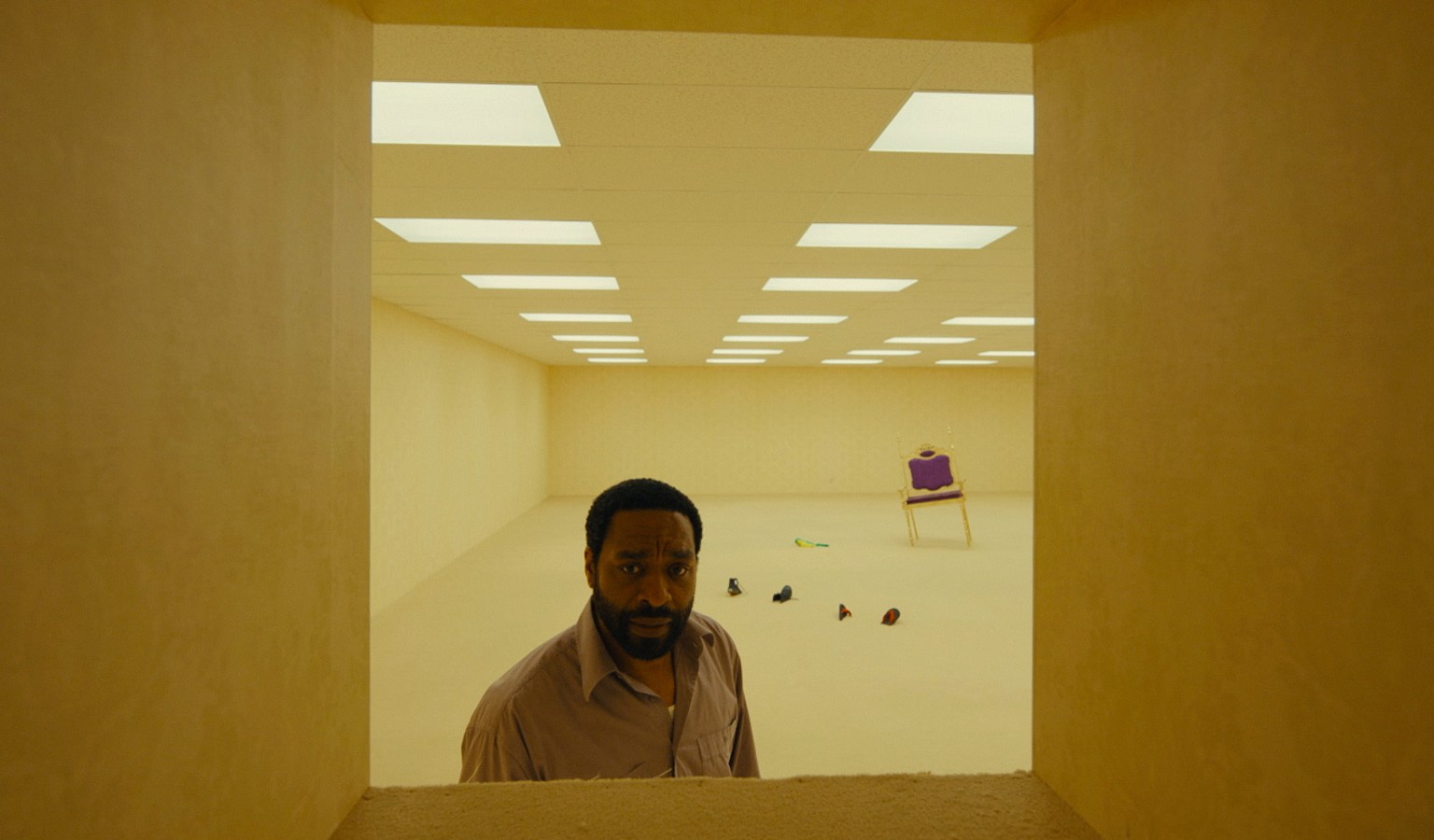
'Backrooms' Film Review: Kane Parsons Turns Creepypasta Into Existential Horror Cinema
Kane Parsons expands his eerie 'Backrooms' YouTube series into a feature-length film that captures the existential dread of endless, empty,
 Rolling Stone·21d ago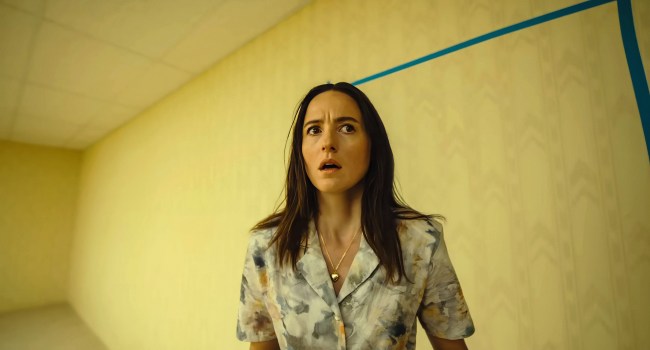
How Production Designer Danny Vermette Brought the 'Backrooms' Liminal Spaces to Life for A24
Article explores how production designer Danny Vermette collaborated with director Kane Parsons to translate the viral 'Backrooms' creepypas
 IndieWire·21d ago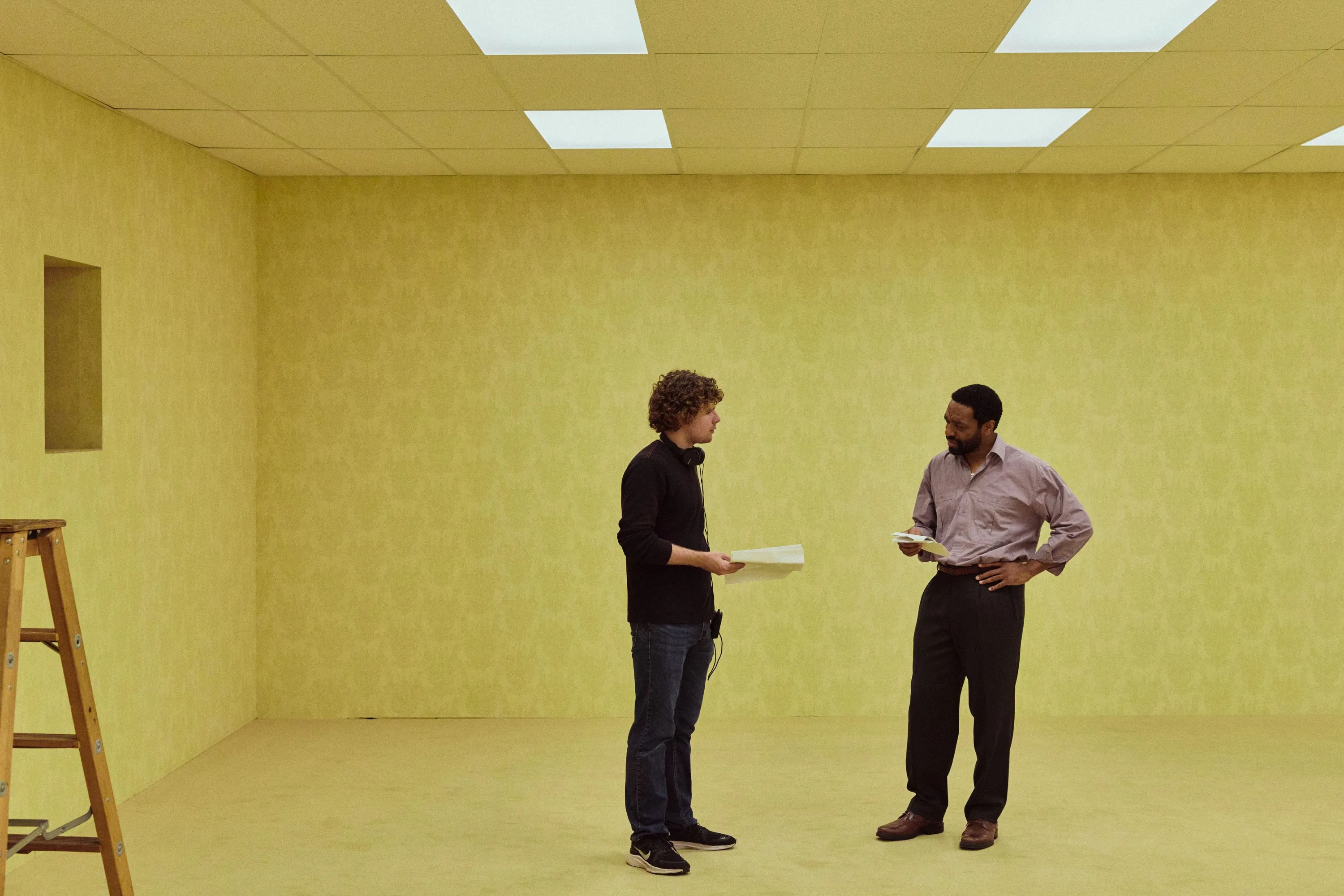
'Backrooms' Movie: How to Watch Kane Parsons' A24 Horror Film Online
Kane Parsons' horror film "Backrooms," produced by A24, has earned over $10 million in previews and is poised for box office success. The fi
Variety·20d ago
Backrooms (Original Soundtrack) Review: Kane Parsons and Edo Van Breemen's Score for the A24 Horror Hit
The article discusses the cultural phenomenon of the Backrooms, which began as a 2019 4chan post featuring a photo of a drab office space wi
 Pitchfork·8d ago
A24's 'Backrooms' Film Loses the Eerie Minimalism of Kane Parsons' Original Videos
A review/analysis of Kane Parsons' "Backrooms" YouTube videos and the subsequent A24 film adaptation. The article discusses how Parsons' ori
 Defector·18d ago