





















Why I'm Moving On From Desktop Application Development
By
claxo

Fresh out the oven, still warm. Top of the tray.
Summary
The author reflects on their decision to stop developing desktop applications after three years of selling Bingo Card Creator. They frame the decision as a difficult breakup with a long-time passion, acknowledging that while desktop software has been lucrative and meaningful, they've come to see its limitations and are ready to move on to other pursuits.
Key quotes
· 3 pulledBreaking up has always been difficult for me. I tend to fall in love with being in love, and continue a relationship well past the point of futility.
I'm sorry, desktop apps. We just don't have a future together anymore. Its not you, its me.
It has gone from being a passing fancy to a rather lucrative hobby to, well, a bit more than that over the years.
You might also wanna read

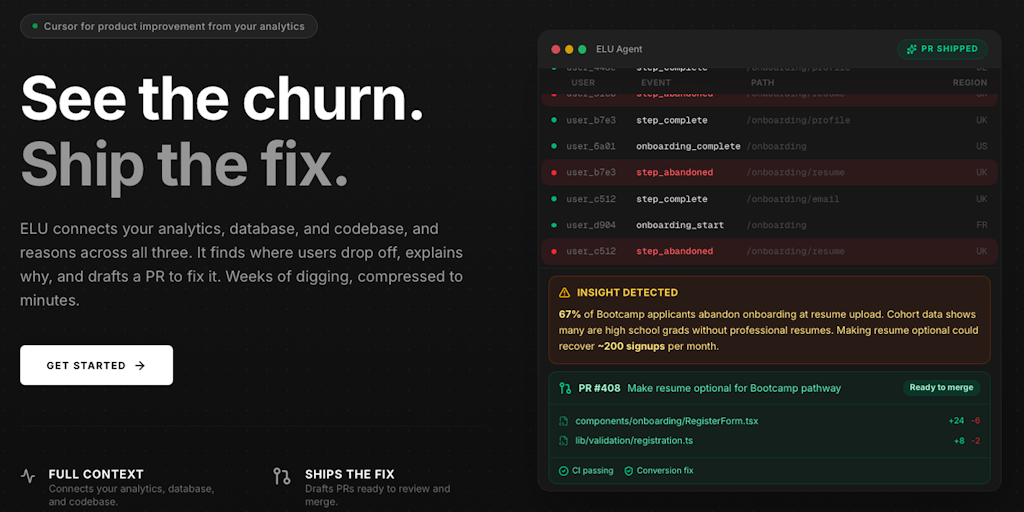
ELU: AI-Powered Analytics Tool That Automatically Fixes User Drop-Off Issues
ELU is a product that helps developers and founders understand why users drop off from their applications. Unlike traditional analytics tool
 Product Hunt·2mo ago
Founder Fixes Persistent Search Bug After Joining Mintlify
Nicholas Khami, founder of Trieve, shares his journey of fixing a persistent search bug on Mintlify after joining the company. The bug, whic
 skeptrune.com·10mo ago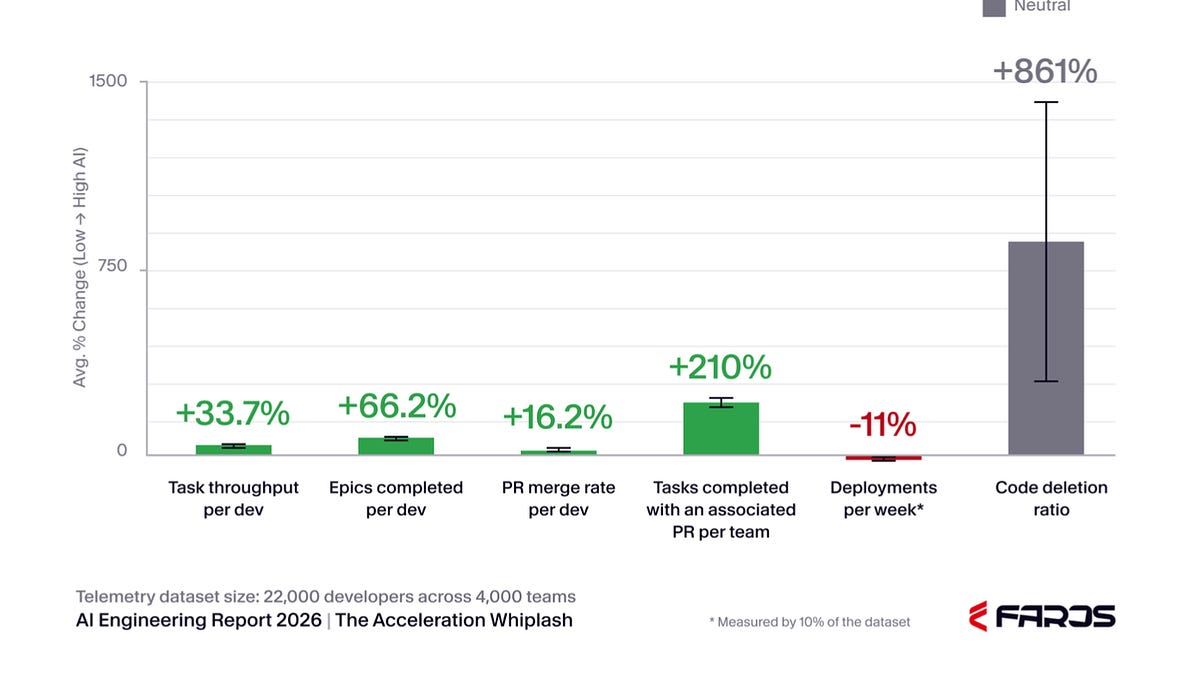
Why Average LLM Use Is Likely Destroying Value in Software Development
The author argues that, contrary to prevailing hype, the average use of Large Language Models (LLMs) is likely destroying value rather than
 unessays.substack.com·10h ago
How AI Accelerated Prototyping: From Idea to Tangible in Record Time
The author reflects on how AI has transformed their prototyping workflow. Previously, the biggest bottleneck was the time needed to scaffold
 darylcecile.net·10h ago
GitLab 19.0 launches with Secrets Manager, agentic workflows, and self-hosted AI models
GitLab 19.0 has been released, positioning itself as an intelligent orchestration platform for DevSecOps. The release includes expanded secr
 bit.ly·23h ago
Centralizing Error Handling in Rust with Custom AppError Enums
This article discusses the importance of centralizing error handling in Rust applications using a custom AppError enum combined with map_err