





















Understanding Why We Feel Like a Burden: Identity, Not Reality
By
Ray

Crispy enough to crunch, soft enough to enjoy. A good bake.
Summary
This article explores the psychological experience of feeling like a burden to others. It examines how this feeling often stems from internal identity narratives and self-perception rather than objective reality. The piece discusses the quiet, subtle ways this feeling manifests—through hesitation, over-apologizing, and self-restraint in relationships—and how it can transform from a passing thought into a deeply held belief about oneself.
Key quotes
· 5 pulledThere's a specific kind of heaviness that comes with the thought: 'I'm a burden.'
It doesn't always arrive loudly. More often, it shows up quietly—in hesitation, in apology, in restraint.
You pause before asking for help. You replay conversations afterward. You measure your presence against an invisible limit you're trying not to exceed.
And over time, this question stops feeling like a thought and starts feeling like a fact: 'Am I too much?'
Feeling like a burden often comes from identity, not reality.
You might also wanna read


Understanding Psychological Spirals: How Identity and Belonging Shape Our Reactions to Setbacks
The article explores how people's reactions to minor setbacks or criticisms differ based on their sense of belonging and identity. Using the
 behavioralscientist.org·9mo ago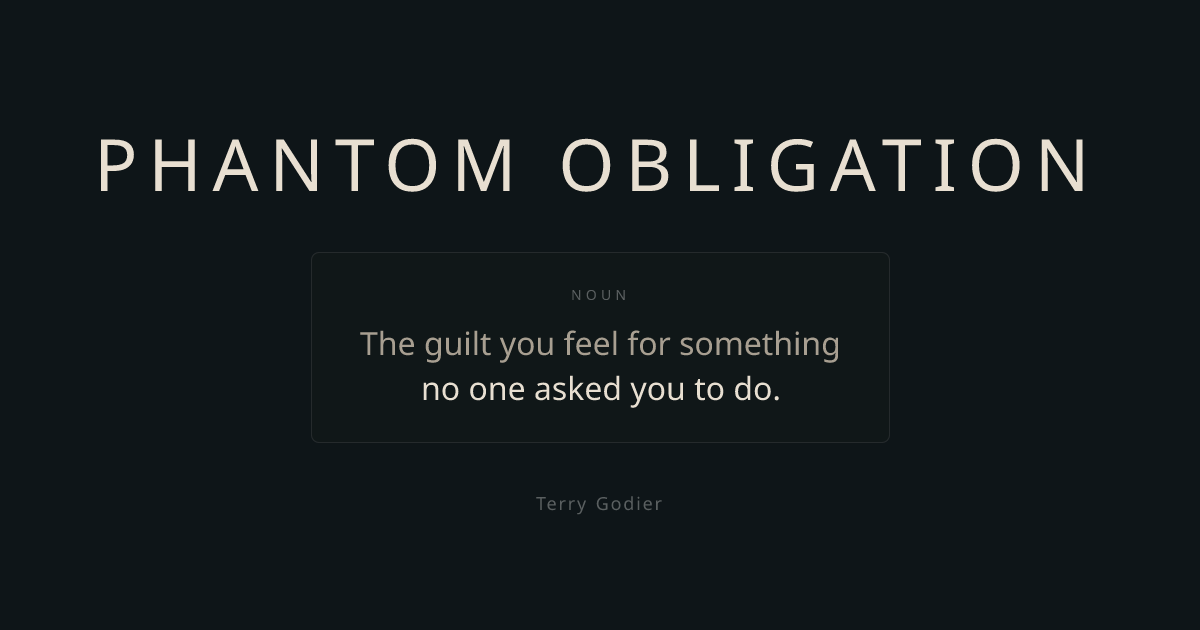
The Psychological Impact of RSS Readers: How Email-Like Interfaces Create Phantom Obligation
The article explores the psychological experience of using RSS feed readers and how their email-like interface creates a sense of phantom ob
 terrygodier.com·4mo ago
Women's Struggle to Acknowledge Achievements and the Power of Self-Acceptance
The article explores why women often struggle to acknowledge their own achievements and the cultural conditioning that leads them to downpla
 Creative Boom·2mo ago
Overcoming the Discomfort of Self-Promotion: Practical Strategies for Creatives
This article provides practical guidance for creatives and professionals on how to engage in self-promotion without feeling awkward or inaut
Creative Boom·8mo ago
Why the American Road Trip Forces You to Confront Your True Self
A reflective essay exploring how the American road trip serves as a powerful vehicle for self-discovery and confronting one's true self. The
 Rolling Stone·25d ago
A Personal Account of the Emotional Toll of Being Cancelled
The article is a personal account of the author's experience with being 'cancelled' and the profound emotional and psychological impact it h