





















Global Food Production Exceeds Needs, Yet Hunger Persists Due to Inequality and Distribution Failures
By
Steve Gliessman

Properly proved. Has structure, has flavour, has a point.
Summary
This article argues that the world already produces enough food to feed 10 billion people, yet hunger persists due to systemic issues of distribution, access, and inequality rather than insufficient production. Authored by food and agriculture experts from various institutions, it references a study comparing organic and conventional yields, suggesting the problem is not about how much food is grown but how it is allocated and controlled within the global food system.
Key quotes
· 2 pulledWe Already Grow Enough Food for 10 Billion People … and Still Can't End Hunger
A new a study from McGill University and the University of Minnesota published in the journal Nature compared organic and conventional yields from 66 studies and 316 trials
You might also wanna read


Pacto Contra a Fome anuncia reuniões com pré-candidatos à Presidência para discutir combate à insegurança alimentar
O Pacto Contra a Fome, organização suprapartidária, se reunirá a partir de junho com pré-candidatos à Presidência para discutir propostas de
 www1.folha.uol.com.br·14h ago
MST inaugura sorveteria Gelado do Campo na Barra Funda, em São Paulo
O MST (Movimento dos Trabalhadores Rurais Sem Terra) inaugurou a sorveteria "Gelado do Campo" na Barra Funda, zona oeste de São Paulo, em pa
 guia.folha.uol.com.br·1d ago
How LA's Restaurant Crisis Became a Central Issue in the Mayoral Primary
The article examines how the struggling hospitality industry in Los Angeles has become a key issue in the city's mayoral primary race. With
 nytimes.com·1d ago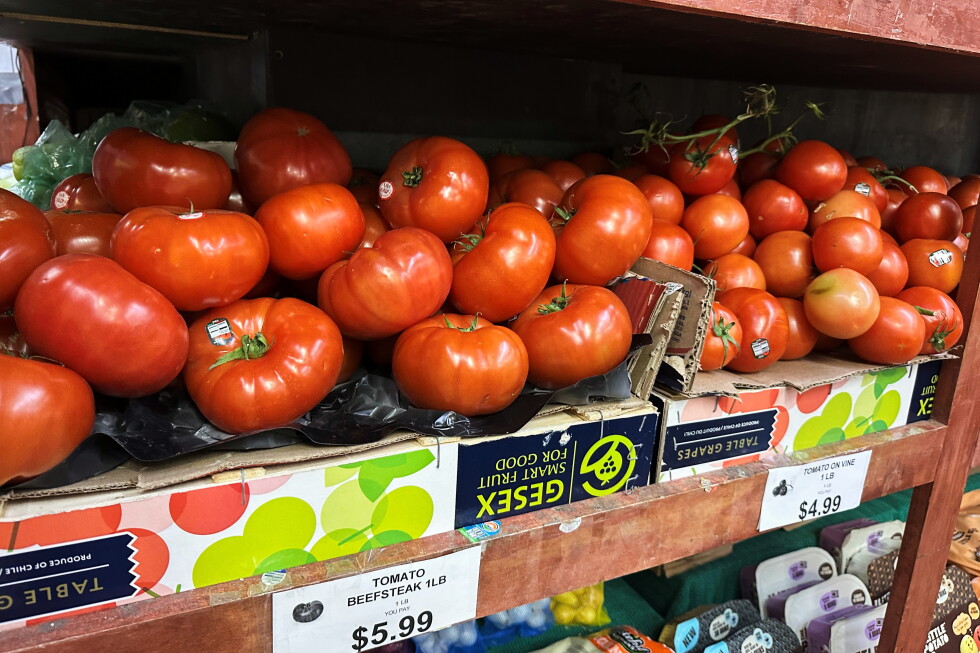
Tomato prices surge 40% as tariffs and shipping costs drive affordability crisis
Tomato prices have surged 40% over the past year, becoming a symbol of America's affordability crisis. The spike is driven by poor crop yiel
 bit.ly·2d ago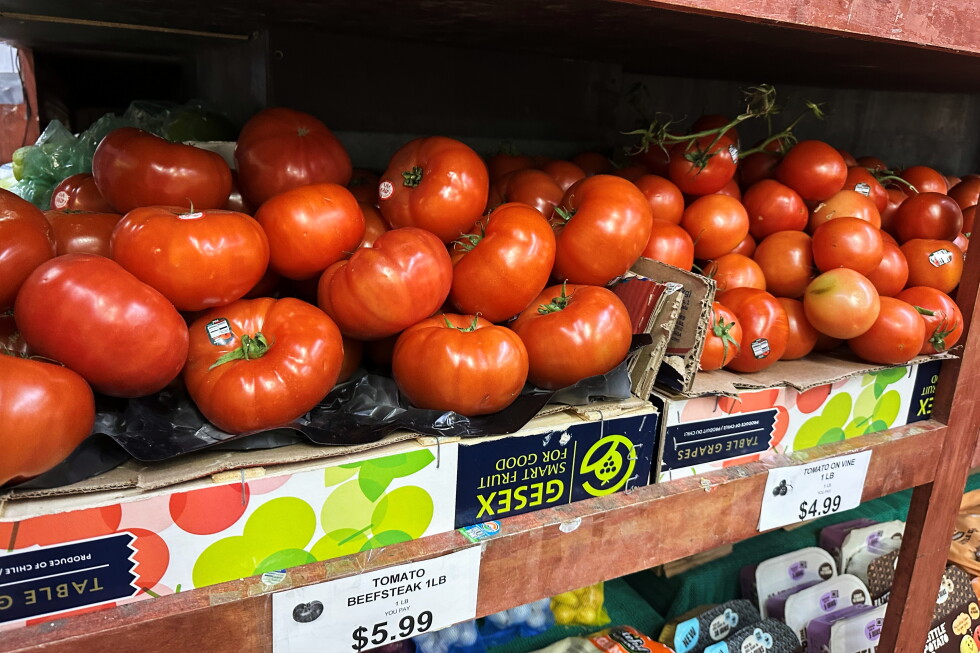
Tomato prices surge 40% as tariffs and shipping costs drive affordability crisis
Tomato prices have surged 40% over the past year, becoming a symbol of America's affordability crisis. The spike is driven by reduced crop y
 apnews.com·2d ago
Why Your Groceries Are So Expensive: It's Not Just Tariffs, It's Oligopoly
This guest essay argues that high grocery prices, particularly beef, are not primarily caused by tariffs but by a highly concentrated meatpa
nytimes.com·2d ago