





















Van der Waals Forces Used to Tune Properties of Ferroelectric Thin Films, NC State Researchers Show

Crispy enough to crunch, soft enough to enjoy. A good bake.
Summary
Researchers at North Carolina State University have demonstrated that van der Waals forces can be used to tune the physical and electronic properties of ferroelectric thin films. This discovery opens new possibilities for engineering materials used in smaller, more energy-efficient electronic devices. The work focuses on epitaxy—depositing crystalline layers on other crystalline layers—and how van der Waals interactions at the interfaces can influence material properties in ways previously not well understood.
Key quotes
· 2 pulledEpitaxy is when you deposit a crystalline layer of material on top of another crystalline layer of material.
When you are doing this with thin films, van der Waals forces can play an unexpected role in determining the properties of the resulting material.
You might also wanna read


Nanocrystal Light Emission Reveals Quantum Zero-Point Motion in Atomic Lattice
Researchers have observed unexpected light emission from a nanocrystal cooled to near absolute zero, which is shown to arise from quantum fl
 physics.aps.org·7mo ago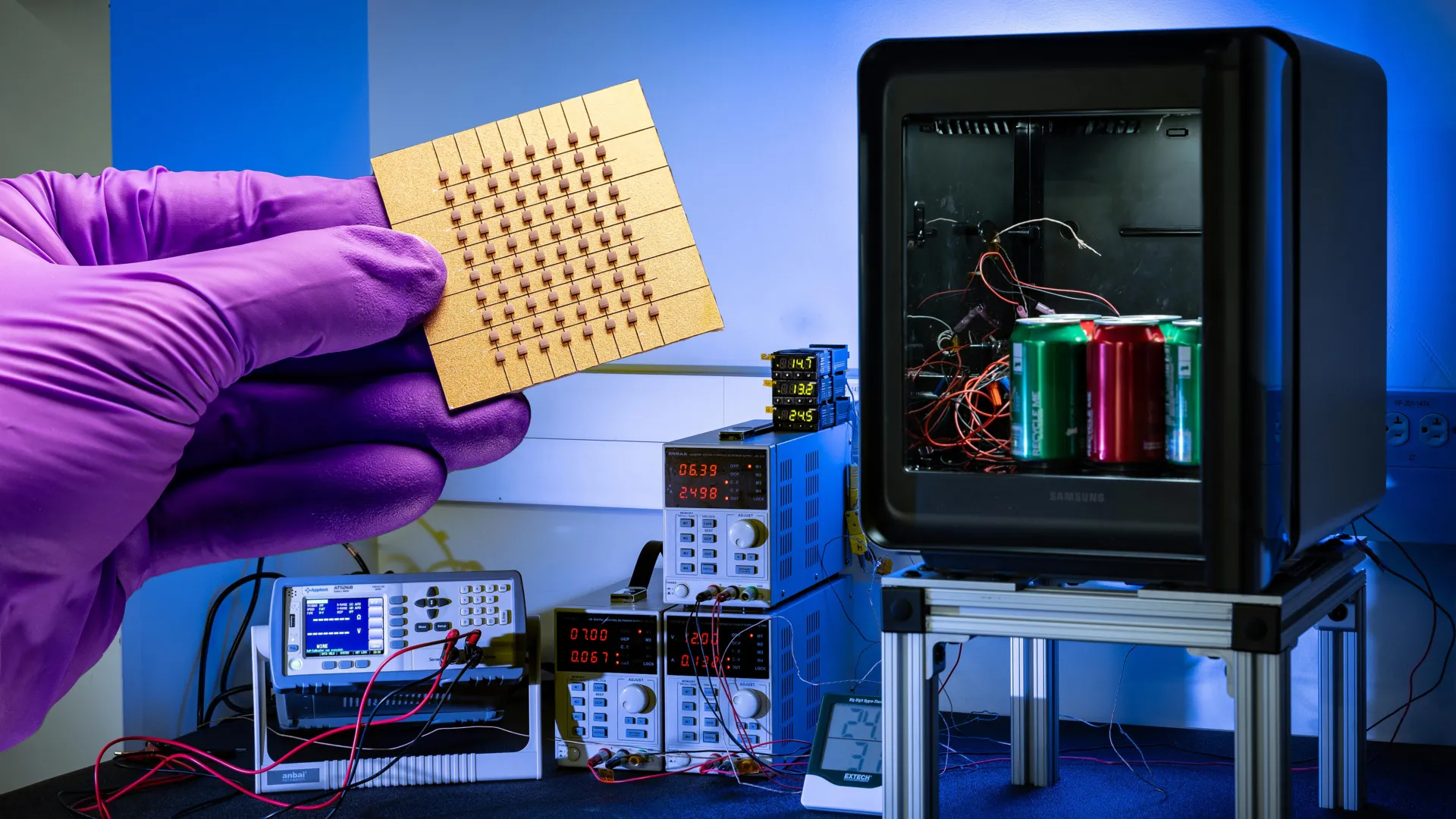
Johns Hopkins Researchers Develop Thermoelectric Cooling Technology with Double Efficiency
Researchers at Johns Hopkins Applied Physics Laboratory have developed a new solid-state thermoelectric refrigeration technology using nano-

Lead-Free Organic-Inorganic Halobismuthate Material Developed for Large Piezoelectric Effect
Researchers have developed a lead-free organic-inorganic halobismuthate material with significant piezoelectric properties, offering a promi
 pubs.acs.org·5mo ago
447 TB/cm² at zero retention energy – atomic-scale memory on fluorographane

Stanford's Diamond Thermal Conductivity Breakthrough for Advanced Chip Cooling
The article discusses the critical challenge of heat management in modern computing as transistors become smaller and more densely packed. I
 spectrum.ieee.org·7mo ago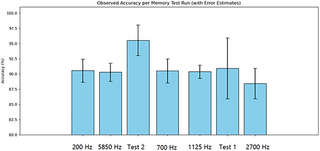
Shiitake Mushroom Mycelium Used to Create Sustainable Memristors for Neuromorphic Computing
Researchers have developed sustainable memristors using shiitake mushroom mycelium for high-frequency bioelectronics applications. The study
 journals.plos.org·7mo ago