





















Using Quantifier Elimination to Solve Mathematical Competition Problems
By
todsacerdoti

Fresh out the oven, still warm. Top of the tray.
Summary
The article discusses using quantifier elimination, a powerful computational technique from mathematical logic, to solve competition math problems that involve inequalities. The author explains how this method can transform complex inequality problems into simpler computational tasks, demonstrating its application through examples from mathematical competitions. The piece serves as both a technical tutorial and commentary on when computational approaches are appropriate versus when traditional mathematical learning is more valuable.
Key quotes
· 4 pulledAnytime I see questions on mse that ask something 'simple', I feel a powerful urge to chime in with 'a computer can do this for you!'
Obviously if you're a researching mathematician you shouldn't waste your time with something a computer can do for you, but when you're still learning techniques (or, as is frequently the case on mse, solving homework problems), it's not a particularly useful comment
The urge is particularly powerful when it comes to the contrived inequalities that show up in a lot of competition math
So today, let's see how to hit these problems with the proverbial nuke that is quantifier elimination!
You might also wanna read
Think Linear Algebra: A Code-First, Case-Based Introduction to Linear Algebra with Python
Think Linear Algebra is a code-first, case-based educational book that teaches linear algebra through real-world problems and Python program


Sostactic: Lean4 Tactics for Proving Polynomial Inequalities with Sum-of-Squares Certificates
Sostactic is a Lean4 mathematical proof assistant tool that provides tactics for proving polynomial inequalities using sum-of-squares (SOS)
 github.com·1mo ago
The Step-Size Trap: How Numerical Differentiation Fails with Floating-Point Arithmetic
The article explores the mathematical and computational challenges of numerical differentiation, specifically the step-size trap in finite d
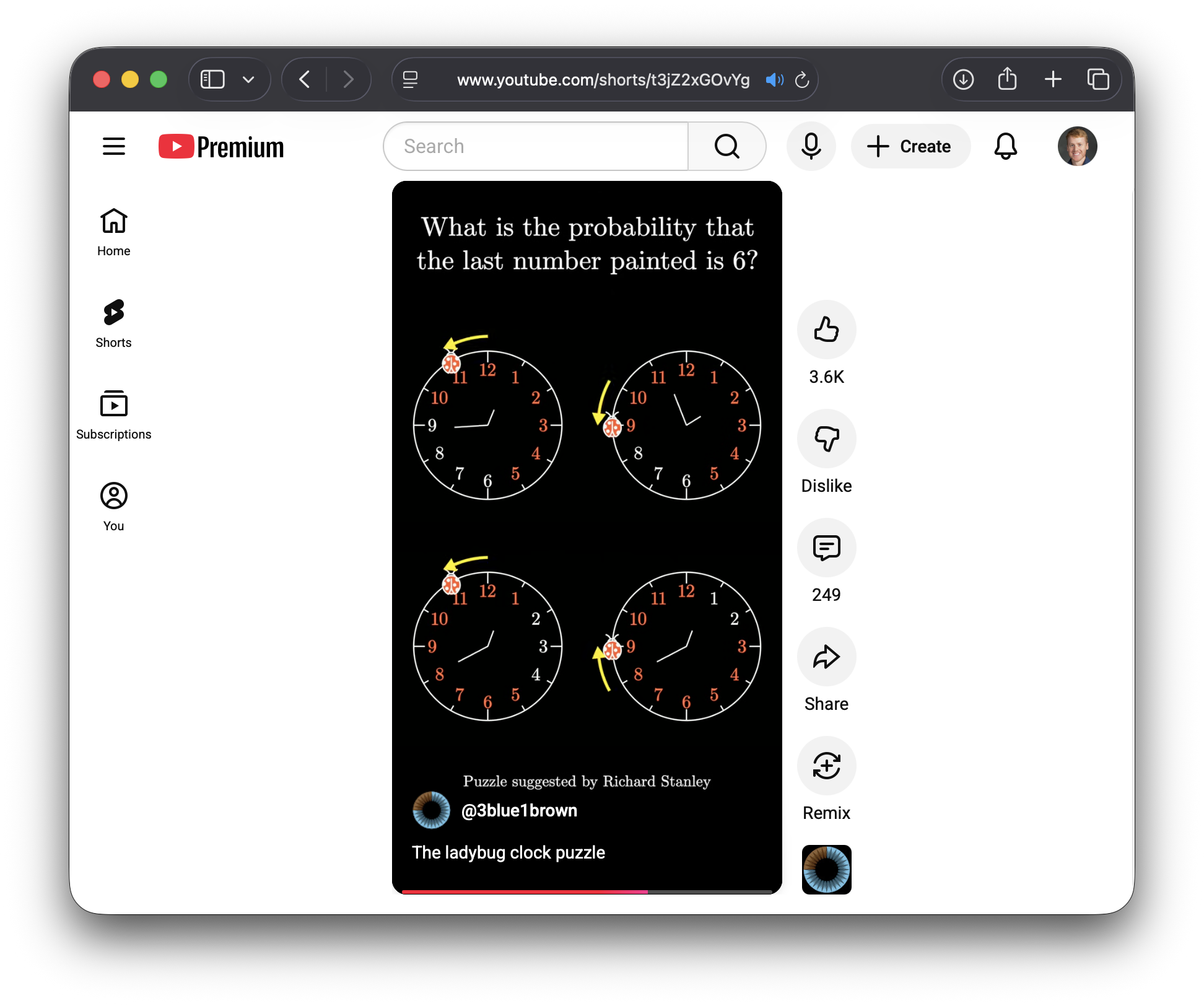
Simulating the Ladybug Clock Puzzle: A Computational Approach to a Mathematical Problem
The article discusses a mathematical puzzle about a ladybug moving around a clock face, visiting all hour markers exactly once, and asks for

Mathlib4: The Mathematical Library for Lean 4 Theorem Prover
Mathlib4 is the mathematical library for the Lean 4 theorem prover, containing programming infrastructure, mathematical content, and develop
github.com·5mo ago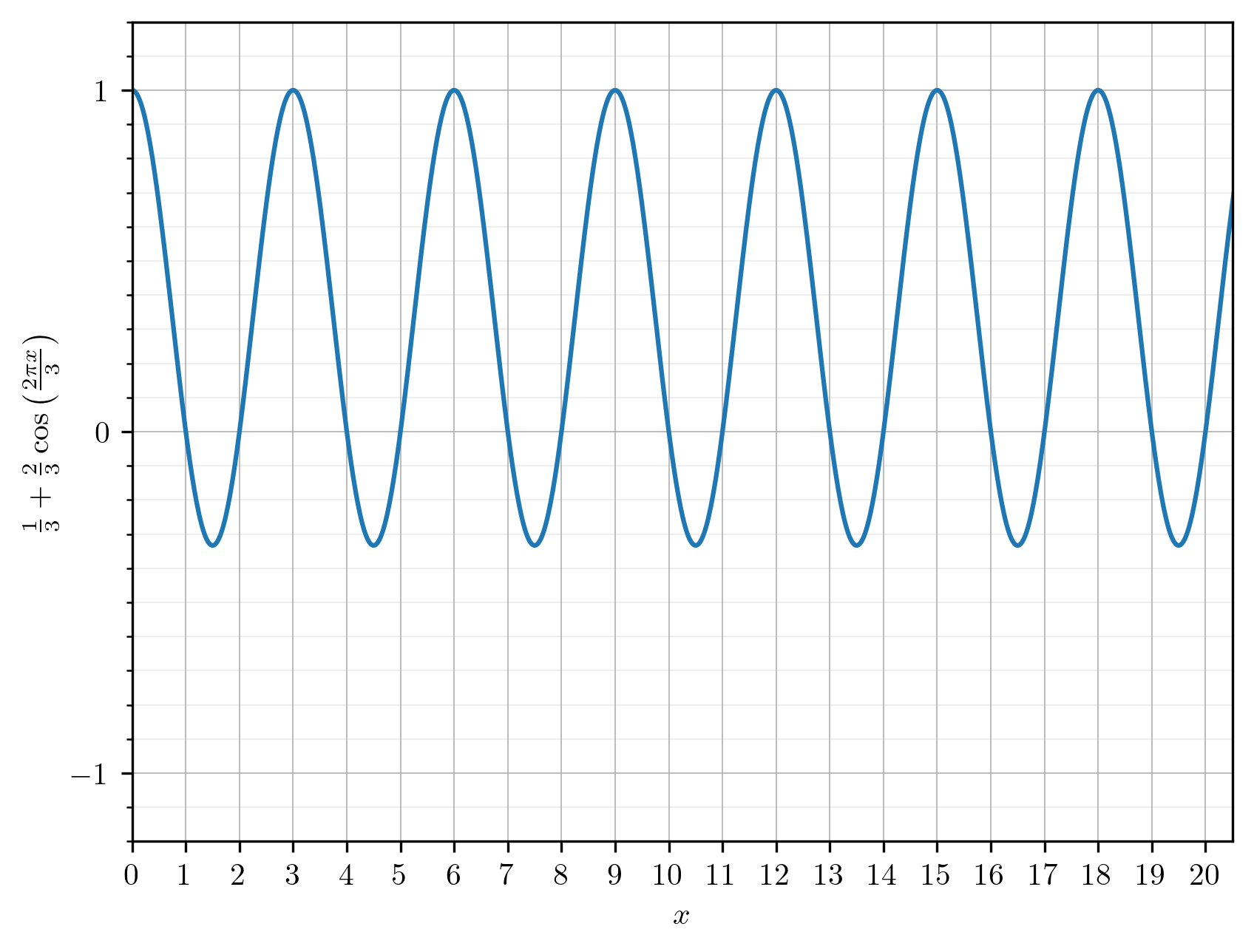
Mathematical Implementation of Fizz Buzz Using Cosine Functions
This article explores a mathematical approach to the classic Fizz Buzz programming problem using trigonometric functions, specifically cosin
 susam.net·6mo ago