





















2026 U.S. Midterms Face Cyber Threats from Disinformation and AI-Powered Influence Operations, Not Ballot Tampering
By
[email protected]

Fresh out the oven, still warm. Top of the tray.
Summary
The article argues that the primary cyber threat to the 2026 U.S. midterm elections is not hacking voting machines, but rather sophisticated information warfare campaigns. These operations use phishing, fake news sites, domain abuse, and AI-powered disinformation to manipulate voter perceptions and erode trust in the information environment. Check Point research highlights that attackers are targeting the information ecosystem surrounding voters—flooding social media and search results with misleading narratives and impersonated news sources—rather than the ballot box itself.
Key quotes
· 3 pulledAs the U.S. approaches the 2026 elections in November, the greatest threat to voting integrity will likely not be from hackers targeting voting machines or altering ballots, but from a growing war over reality itself.
Voter influence operations are increasingly focused on manipulating the information environment surrounding voters, flooding social media and search results with misleading narratives and fake content, and impersonated news sources designed to erode trust in what people see and hear online.
Sophisticated operators have already cl
You might also wanna read

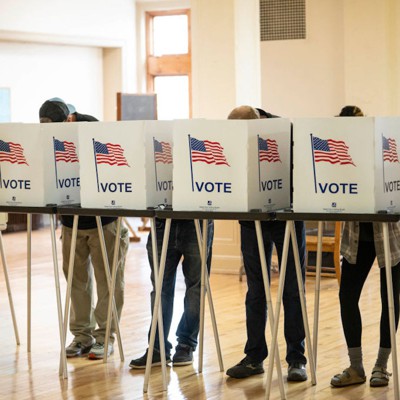
Check Point report warns hackers are preparing to disrupt 2026 US midterm elections
A new report from cybersecurity firm Check Point warns that hackers are already preparing to disrupt the 2026 U.S. midterm elections by targ
 nextgov.com·6d ago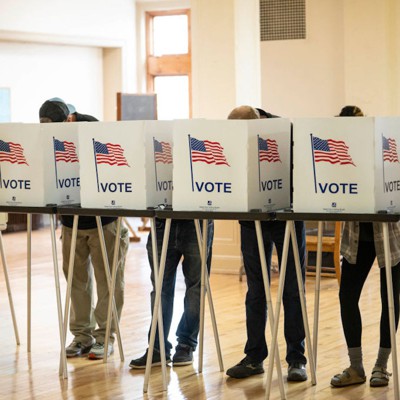
Check Point report warns hackers are preparing to disrupt 2026 midterm elections
A new report from cybersecurity firm Check Point warns that hackers are already preparing to disrupt the 2026 U.S. midterm elections, target
nextgov.com·4d ago
AI-generated avatars spread pro-Trump propaganda ahead of US midterm elections
The article examines the growing use of hyper-realistic AI-generated avatars on social media platforms like TikTok that promote Donald Trump
 france24.com·15h ago
USPS proposes new mail-in ballot data rules as report highlights misinformation as key election security threat
The U.S. Postal Service has proposed new rules requiring states to provide data on voters who receive mail-in ballots for federal elections,
 pbs.org·5d ago
How AI-powered cognitive manipulation is fueling the disinformation crisis
The article examines how cognitive manipulation techniques combined with AI technologies (social media, online chat, synthetic media) are be
 weforum.org·6d ago
Cyber Information Sharing Changes Weaken Election Security, Report Warns
This article examines how changes to cyber information sharing mechanisms are putting election security at risk. It discusses the challenges
 cdt.org·8d ago