





















Understanding the Linux Boot Process: From Power-On to Kernel Initialization
By
0xkato

Hot, fresh, and worth queueing round the block for.
Summary
This article provides a detailed technical explanation of the Linux boot process, tracing the sequence of events from when the power button is pressed to when the Linux kernel begins executing. It covers the initial CPU reset, firmware initialization, bootloader stages, and the transition to kernel execution, explaining the technical handshake between hardware components and software programs that occurs during system startup.
Key quotes
· 4 pulledYou press the power button. A second later a wall of text scrolls by, or a logo fades in, and eventually Linux appears. What happens in between is not magic. It is a careful handshake between tiny programs and a very literal CPU.
This part follows that handshake until the very first line of C code inside the Linux kernel runs.
When power stabilizes, the CPU resets itself to a tiny, old‑fashion
Part 1 — From power button to the kernel's first breath
You might also wanna read

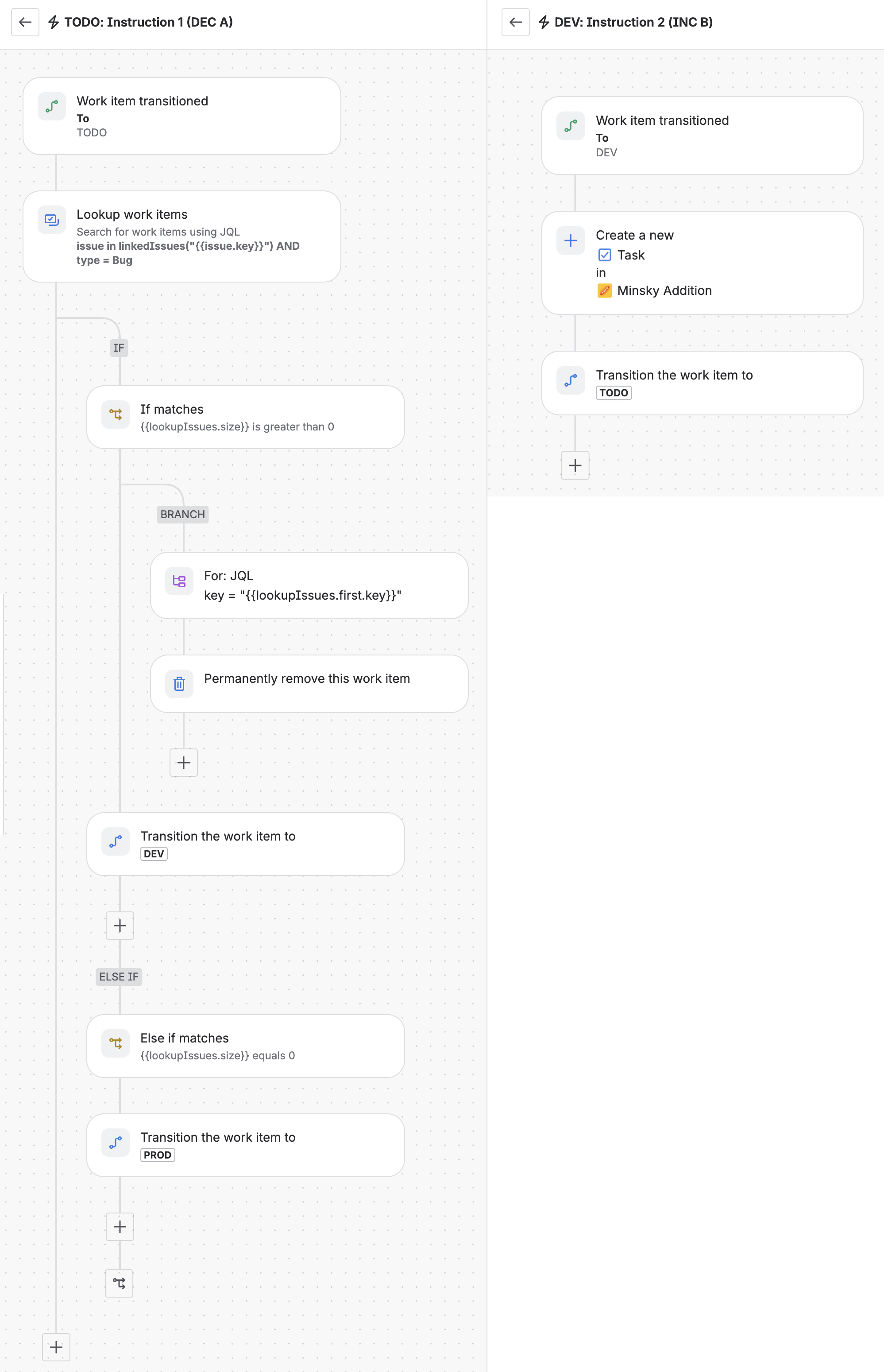
A Formal Proof That Jira Is Turing-Complete via Minsky Machine Implementation
This article provides a formal proof that Jira (Atlassian's project-tracking tool) is Turing-complete by demonstrating how to build a Minsky
A Formal Proof That Jira Is Turing-Complete via Minsky Machine Implementation
This article provides a formal proof that Jira (Atlassian's project-tracking tool) is Turing-complete by demonstrating how to build a Minsky
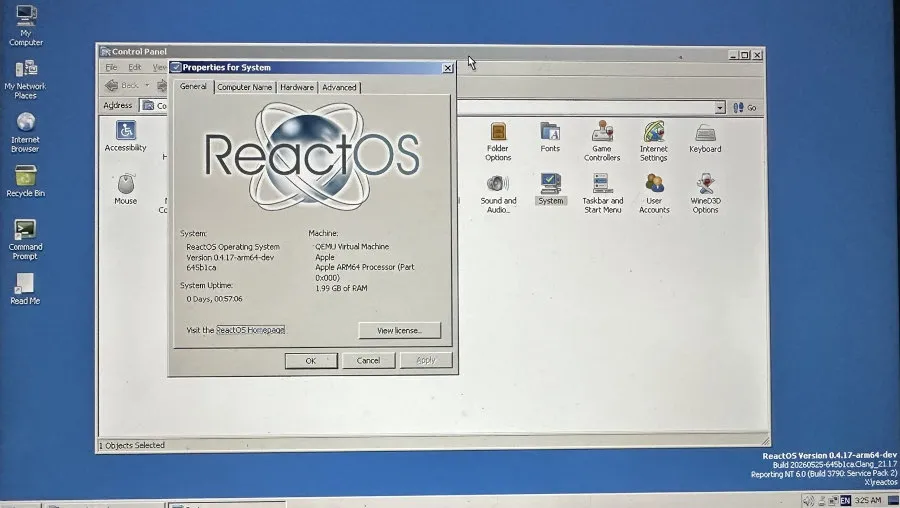
ReactOS Achieves Experimental ARM64 Support, Boots on Apple Silicon via QEMU
ReactOS, the open-source project aiming for binary compatibility with Microsoft Windows, has achieved experimental support for running on 64
 phoronix.com·5d ago
How Shamir's Secret Sharing Algorithm Enables Threshold Cryptography
This article explains Adi Shamir's Secret Sharing algorithm, a cryptographic method published in 1979 that splits a secret into multiple pie
 ente.com·6d ago
Understanding the Linux TTY Subsystem: History, Architecture, and Implementation
A comprehensive technical deep-dive into the TTY (teletype) subsystem in Linux and UNIX systems. The article traces the historical origins o
 linusakesson.net·12d ago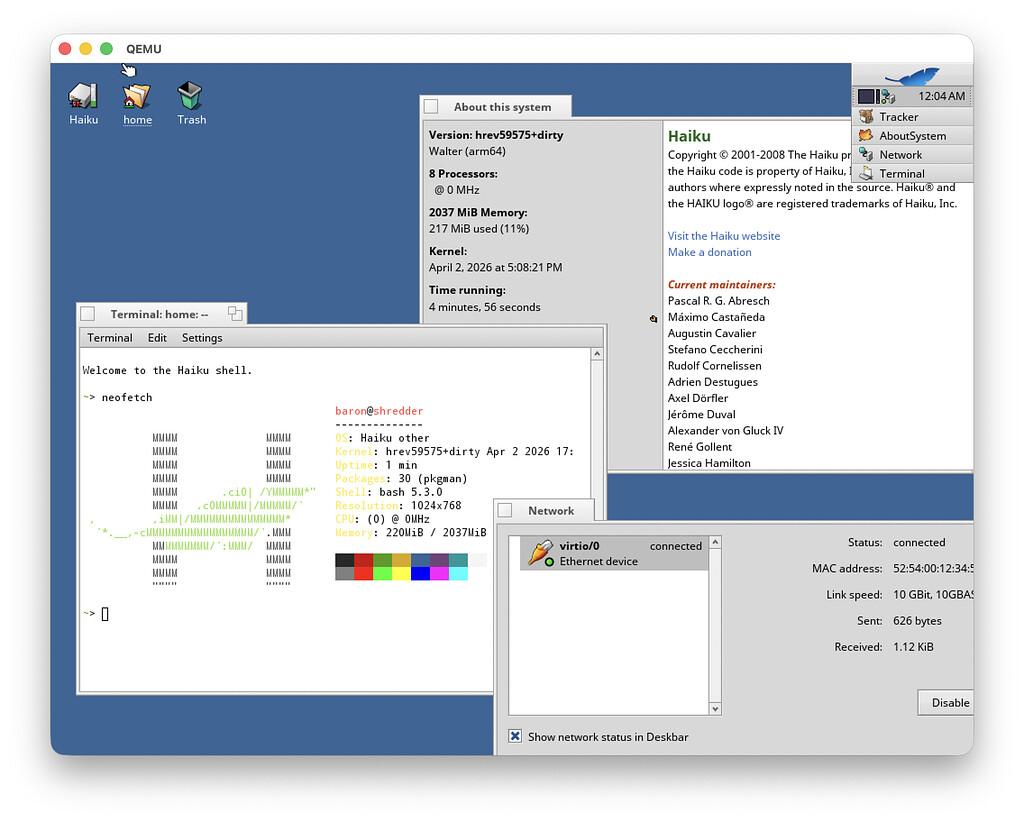
Progress on Haiku arm64 Port: Running Stably in QEMU, Targeting M1 MacBook Air
A developer is working on improving the arm64 port of Haiku, an open-source operating system, with the goal of eventually running it on an M
 discuss.haiku-os.org·13d ago