





















Understanding the Differences Between Tree-sitter and Language Server Protocol (LSP)
By
ashton314

Sesame, salt, and substance. A flagship bake.
Summary
This article explains the differences between Tree-sitter and Language Server Protocol (LSP), two important tools in modern code editors. Tree-sitter is a parser generator that creates fast, error-tolerant parsers for programming languages, used for syntax highlighting and basic code analysis. LSP is a protocol that enables communication between code editors and language servers, which provide advanced features like autocomplete, go-to-definition, and refactoring. The article clarifies that Tree-sitter handles parsing while LSP handles communication, and they can work together in modern development environments.
Key quotes
· 5 pulledTree-sitter is a parser generator. What this means is that you can hand Tree-sitter a description for a programming language and it will create a program that will parse that language for you.
What's special about Tree-sitter is that it is a.) fast, and b.) can tolerate syntax errors in the input.
A language server is a program that understands a programming language and can answer questions about code written in that language.
The Language Server Protocol (LSP) is a specification for how a code editor can talk to a language server.
Tree-sitter is a parser. LSP is a protocol. They are different things that can work together.
You might also wanna read

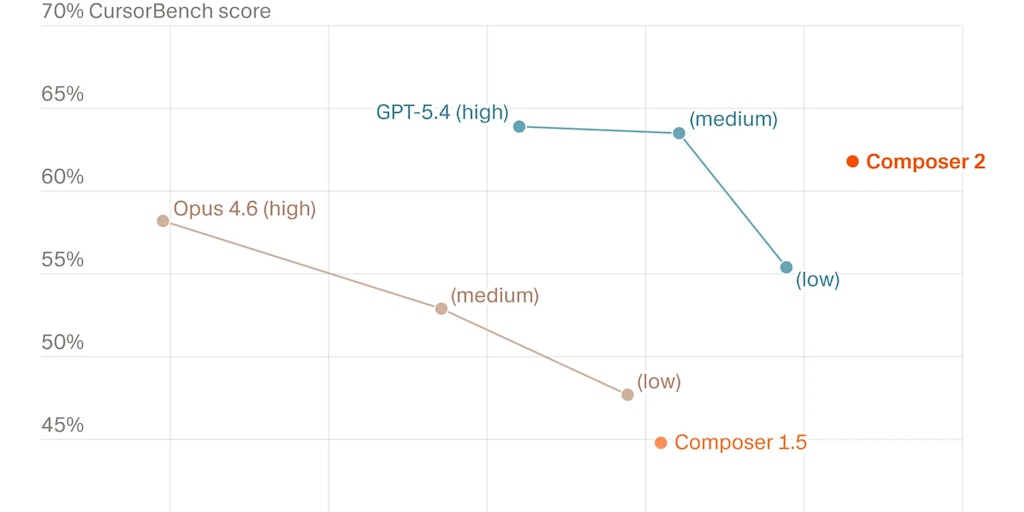
Cursor: AI-Powered Code Editor for Enhanced Developer Productivity
Cursor is an AI-powered code editor designed to significantly boost developer productivity by integrating AI assistance directly into the co
 Product Hunt·13d ago
Haystack: AI-Powered Code Review Platform That Turns Pull Requests into Clear Narratives
Haystack is an AI-native code review platform that transforms pull request reviews from confusing jigsaw puzzles into clear narrative storie
Product Hunt·14d ago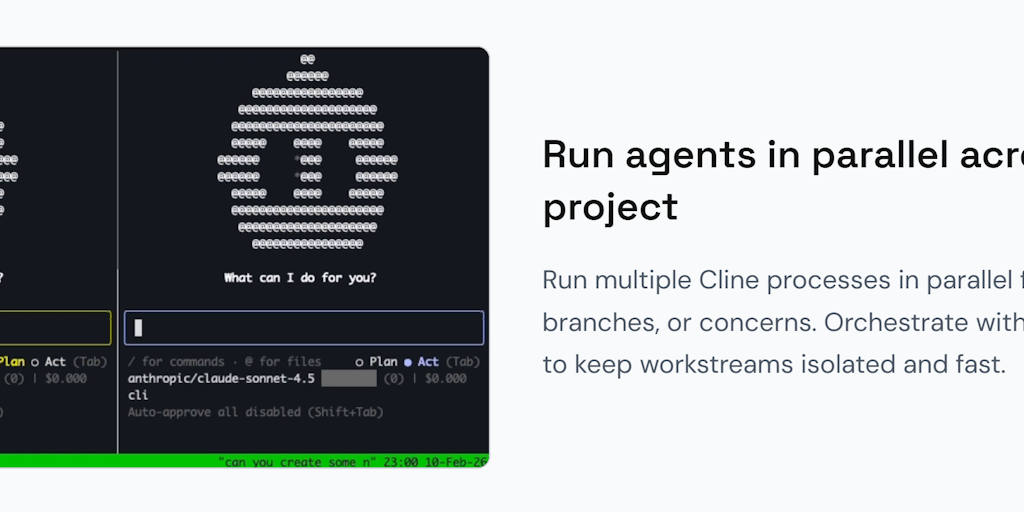
Cline: AI-Powered Autonomous Coding Assistant for Visual Studio Code
Cline is an AI-powered autonomous coding agent for VS Code that can understand code context, generate code, answer questions, and perform co
Product Hunt·18d ago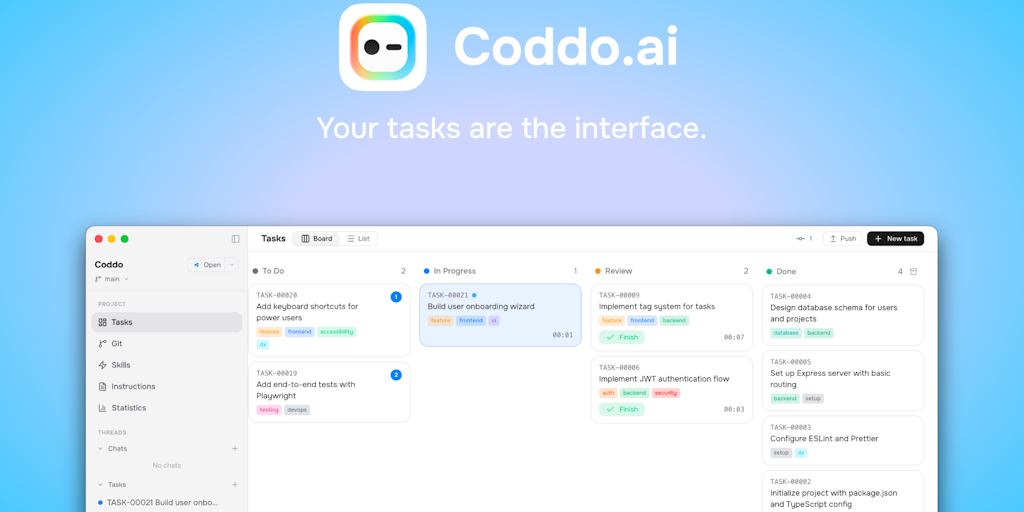
Coddo: A Task-First Software Development Tool with AI Integration
Coddo is a task-first software development tool that differs from traditional IDEs like VS Code by organizing work around tasks rather than
Product Hunt·20d ago
Warp Platform: Terminal and Orchestration Tools for Building Coding Agents Locally and in the Cloud
Warp is a terminal platform designed specifically for building and running coding agents, offering both local and cloud-based capabilities.
Product Hunt·24d ago
Zed Code Editor Reaches 1.0 After Rebuilding from Scratch Without Electron
Zed, a new code editor built from scratch by the creators of Atom, has reached version 1.0. The team abandoned the Electron/web technology a
 zed.dev·1mo ago