





















In a Welsh town that backed Brexit, economic decline and regret replace promised prosperity
By
Bethan McKernan
Summary
A decade after Brexit, the Welsh town of Ebbw Vale — which had the highest proportion of Leave voters in Wales despite receiving huge EU funding — is struggling with economic decline, lack of jobs, and widespread regret among residents. The town's steelworks closure led to some public investment and a tech hub, but high-paying jobs remain scarce, young people are leaving, and many former Leave voters now express disillusionment with Brexit's broken promises. The article explores the disconnect between political rhetoric and local economic reality, highlighting how EU funding that supported community projects has not been fully replaced by the UK government's Shared Prosperity Fund.
Source

 bskyIn a Welsh town that backed Brexit, economic decline and regret replace promised prosperitytheguardian.com
Key quotes
· 5 pulledThere’s no jobs. There’s nothing for them. They’re all leaving. They’re all going to Cardiff, Bristol, London.
I voted leave because I thought it would be better for us. But it hasn't been. We've been forgotten.
We were told the money would come back to us. It hasn't. Not really. Not like before.
The EU money built this leisure centre, this college. What have we got now? Promises.
I'd vote differently if I could go back. A lot of people here would.
You might also wanna read

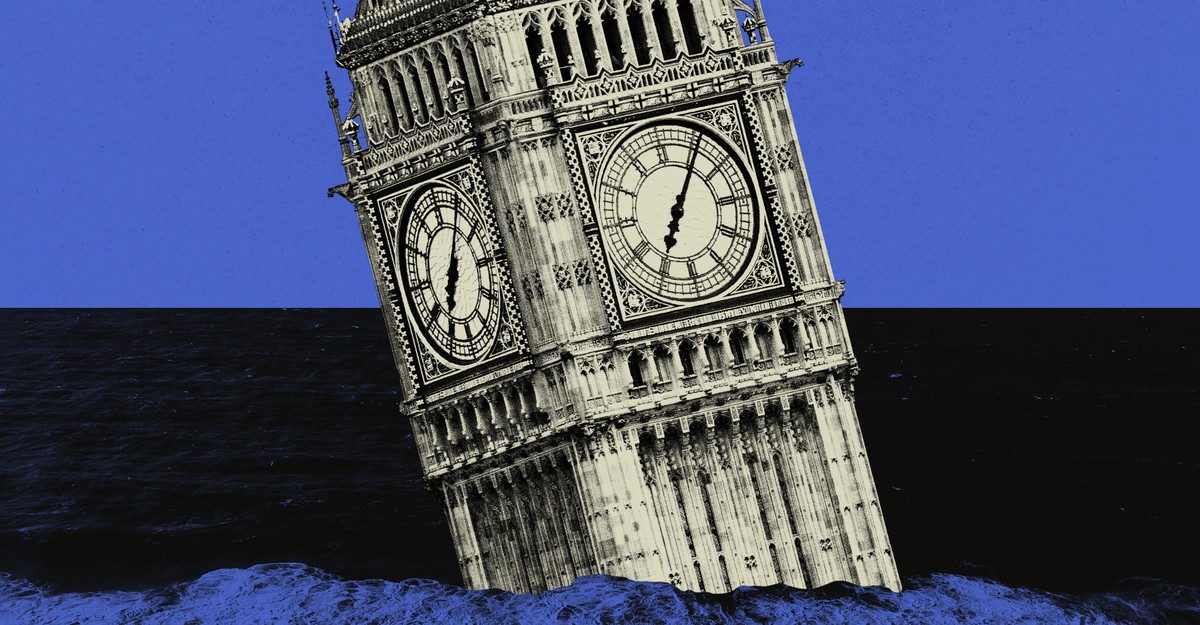
Britain's Economic Decline: A Case Study in Self-Sabotage Since 2007
The article argues that Britain has experienced severe economic decline since the 2008 financial crisis, with output per person now barely e
 theatlantic.com·10d ago
Ipsos Poll: 52% of Britons Now Support Rejoining the EU, Reversing 2016 Brexit Result
A new Ipsos poll of 1,137 British adults shows that 52% of Britons now think the UK should rejoin the European Union, reversing the 2016 Bre
 bloomberg.com·12d ago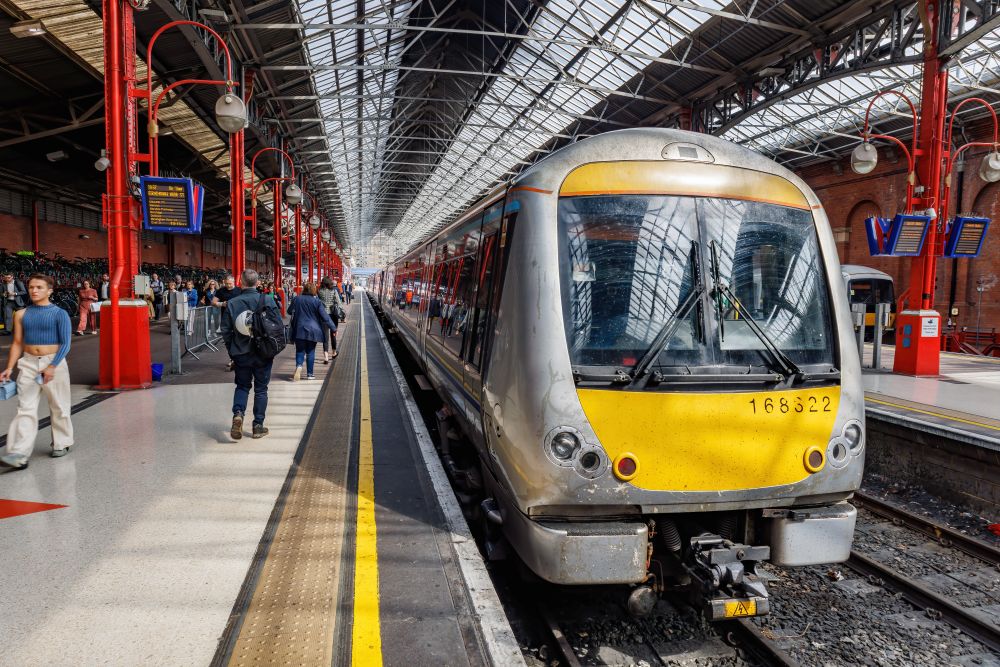
Analysis: Britain's Railway Privatization Failure and Return to Public Ownership
The article critiques Britain's railway privatization as a failure, arguing that liberalization policies across Europe have not delivered pr