





















Analysis: The Strategic Costs of a Second US Air Campaign Against Iran
By
Harry J. Kazianis

Hot, fresh, and worth queueing round the block for.
Summary
The article analyzes the strategic costs and risks of a potential second American air war against Iran. It describes a fragile stalemate between Washington and Tehran, with the Strait of Hormuz effectively shut and Iran refusing to reopen it. The piece warns that the first conflict quietly drained weapons systems that would take years to replace, and a second campaign would completely empty US military stockpiles. It examines the tempting but treacherous option of restarting an air campaign to force Iran to reopen the strait and abandon its nuclear program, arguing that such a choice appears clean in briefings but carries devastating long-term consequences for US military readiness.
Key quotes
· 4 pulledThe fragile truce between Washington and Tehran has hardened into a stalemate that satisfies no one.
The Strait of Hormuz, the artery through which close to a fifth of the world's oil moves, remains effectively shut, and Iran shows no sign of handing it back.
That leaves the United States staring at a tempting and treacherous option: restart the air campaign to force Iran to reopen the strait and abandon its nuclear program for good.
It is the kind of choice that looks clean on a briefing slide.
You might also wanna read

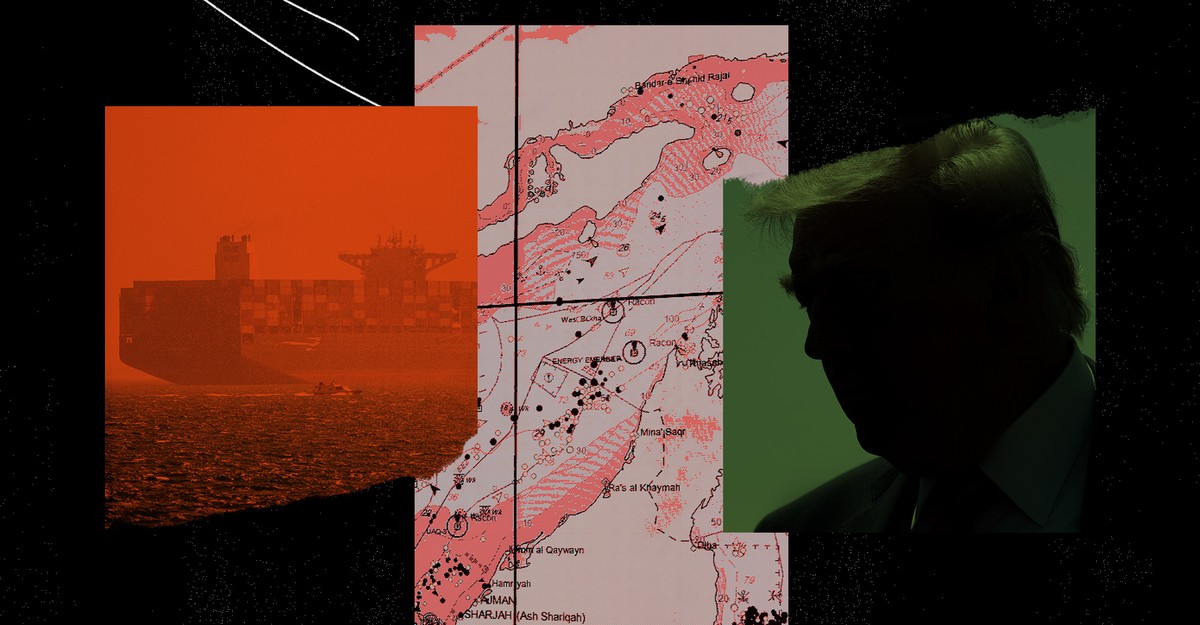
Analysis argues U.S. faces irreversible strategic defeat in Iran conflict
The article argues that the United States is facing an unprecedented and irreversible strategic defeat in Iran, unlike previous losses in Vi
 The Atlantic·27d ago
Strait of Hormuz Closure May Be Extended, Challenging Previous Assumptions
The article examines the changing perspective on the Strait of Hormuz closure, which was previously assumed to be brief but now appears pote
 lloydslist.com·3mo ago
West Point Analysis: Strait of Hormuz Blockade Disrupts Critical Mineral Supply Chains for US Defense Industry
A West Point Modern War Institute analysis warns that the closure of the Strait of Hormuz is creating a 'paralyzing, real-time problem' for
 theguardian.com·2mo ago
Trump's Iran War Narrative Faces Reality Check as Conflict Drags On
The article analyzes how President Donald Trump's claims of victory in the Iran war are contradicted by the reality of a prolonged conflict.
 Rolling Stone·29d ago
Pentagon Reports $11.3 Billion Cost for First Week of Iran War
The Pentagon reported that the first week of the Iran war cost $11.3 billion, with costs tracked in real time through a bottom-up model that
 iran-cost-ticker.com·3mo ago
Strategic Analysis of the Current War in Iran: A Military History Perspective
A military history scholar provides strategic analysis of the current war in Iran, offering observations and broader implications despite ac
 acoup.blog·2mo ago