





















The Psychology and UX Design Principles Behind Effective Streak Systems
By
[email protected] (Victor Ayomipo)

Crackling crust, pillowy middle. The kind of bagel that earns a second cup of coffee.
Summary
This article explores the psychology and UX design principles behind streak systems in apps and digital products. It examines why streaks are so effective at driving user engagement and retention, using examples like Duolingo's 60% increase in user commitment after introducing streak widgets. The article breaks down the psychological mechanisms that make streaks addictive, including loss aversion, commitment consistency, and the endowment effect, while providing practical design guidelines for implementing effective streak systems that balance motivation with user well-being.
Key quotes
· 4 pulledWhen the popular learning app Duolingo introduced iOS widgets to display streaks, user commitment surged by 60%
Streaks tap into fundamental psychological principles like loss aversion and the endowment effect
The most effective streak systems balance motivation with user well-being, avoiding excessive pressure
Designing streaks requires understanding how they align with human psychology and behavior patterns
You might also wanna read

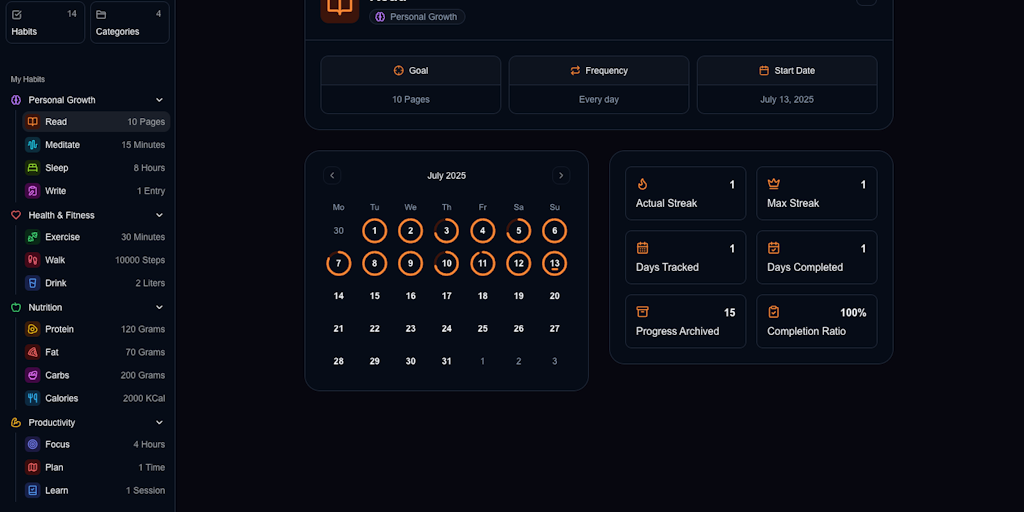
StreakBoost: Free Habit Tracker with Analytics and Goal Setting
StreakBoost is a free habit tracking app that helps users build better habits through streak tracking, smart analytics, and goal setting fea
 Product Hunt·10mo ago
The Dopamine-Driven Design of Social Media Apps and Their Addictive Impact
The article explores how social media apps are designed to exploit dopamine-driven feedback loops, leading to addictive behaviors similar to
 lookatmyprofile.org·9mo ago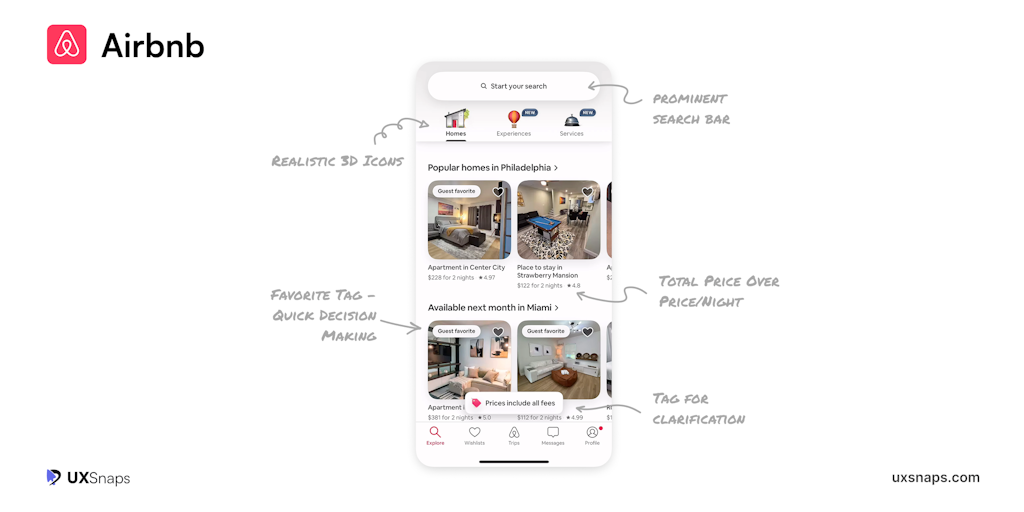
UXSnaps: Practical UI/UX Insights from Top App Breakdowns
The article highlights UXSnaps, a resource offering actionable UI/UX insights derived from breakdowns of top apps. It provides visual lesson
 Product Hunt·9mo ago