





















The Lost Art of Interactive Programming: How 1970s REPLs Outperformed Modern Development Environments
By
surprisetalk

Crackling crust, pillowy middle. The kind of bagel that earns a second cup of coffee.
Summary
The article argues that 1970s programming environments like Lisp and APL REPLs offered superior interactive, exploratory development experiences compared to modern fragmented tools. These early REPLs provided instantaneous feedback, persistent context, and were designed around developer cognitive workflows. Today's programming environments—scattered across language-specific interpreters, IDEs, and build pipelines—have sacrificed development experience for production efficiency. The article calls for reclaiming the best aspects of early REPLs while leveraging modern technology to create better development environments.
Key quotes
· 4 pulledIn the 1970s, Lisp and APL REPLs represented something we've lost: true interactive, exploratory programming environments where developer feedback was instantaneous, context was persistent, and the entire system was designed around the developer's cognitive workflow.
Today's programming environments—scattered across language-specific interpreters, IDEs, and build pipelines—fragment this experience.
We optimized for production efficiency at the cost of development experience.
It's time to ask: what would it look like to reclaim what early REPLs did right, while leveraging modern technology to m
You might also wanna read

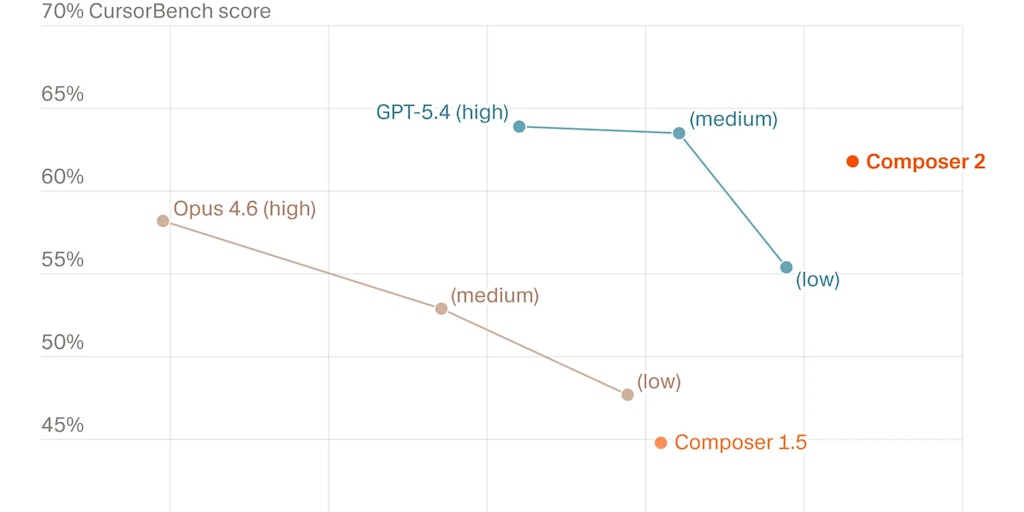
Cursor: AI-Powered Code Editor for Enhanced Developer Productivity
Cursor is an AI-powered code editor designed to significantly boost developer productivity by integrating AI assistance directly into the co
 Product Hunt·13d ago
Haystack: AI-Powered Code Review Platform That Turns Pull Requests into Clear Narratives
Haystack is an AI-native code review platform that transforms pull request reviews from confusing jigsaw puzzles into clear narrative storie
Product Hunt·14d ago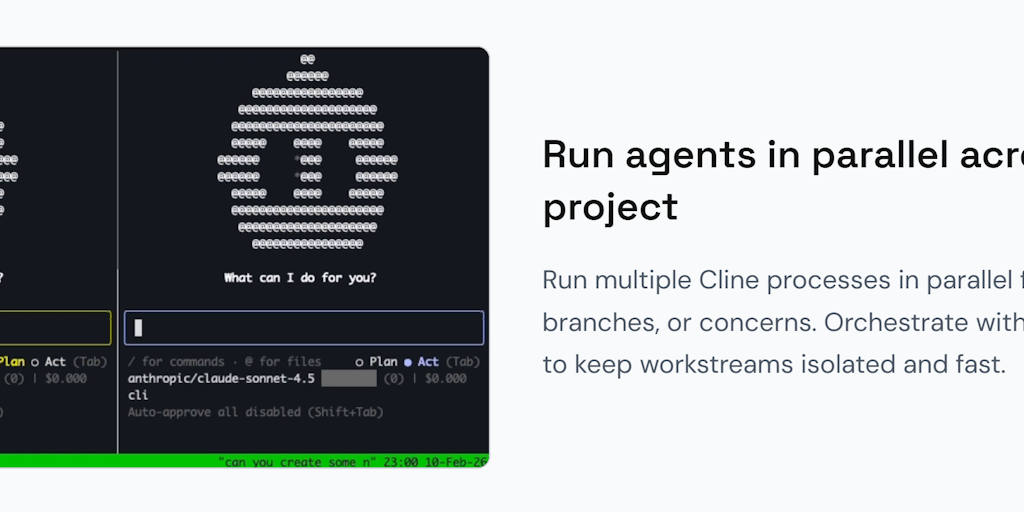
Cline: AI-Powered Autonomous Coding Assistant for Visual Studio Code
Cline is an AI-powered autonomous coding agent for VS Code that can understand code context, generate code, answer questions, and perform co
Product Hunt·18d ago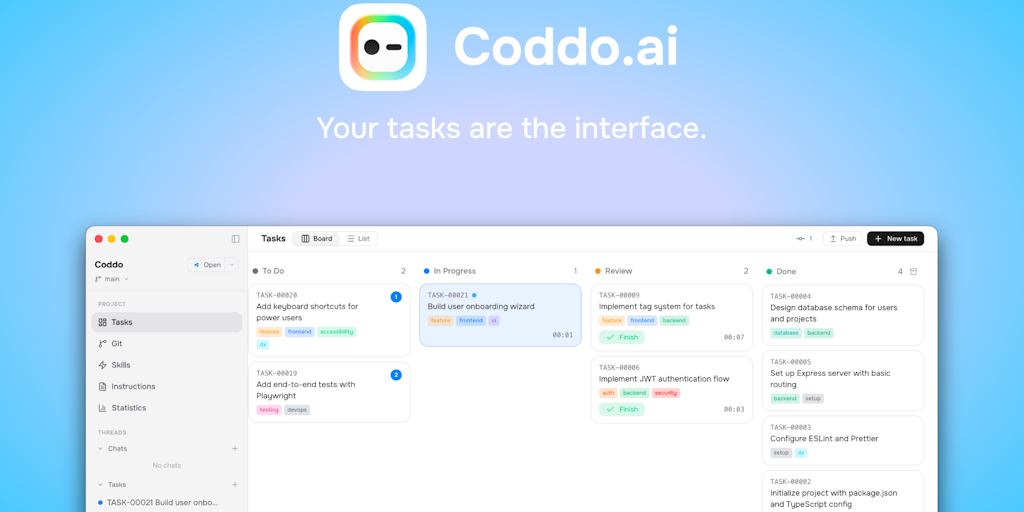
Coddo: A Task-First Software Development Tool with AI Integration
Coddo is a task-first software development tool that differs from traditional IDEs like VS Code by organizing work around tasks rather than
Product Hunt·20d ago
Warp Platform: Terminal and Orchestration Tools for Building Coding Agents Locally and in the Cloud
Warp is a terminal platform designed specifically for building and running coding agents, offering both local and cloud-based capabilities.
Product Hunt·25d ago
Zed Code Editor Reaches 1.0 After Rebuilding from Scratch Without Electron
Zed, a new code editor built from scratch by the creators of Atom, has reached version 1.0. The team abandoned the Electron/web technology a
 zed.dev·1mo ago