





















The Impact of Dopamine on Effort and Reward
By
ak_builds

Toasted just enough. A reliable bake, gently seasoned.
Summary
The article discusses how the biological reward system, driven by dopamine, is being undermined intentionally, diminishing the value of effort and achievement. It highlights the importance of effort in experiencing satisfaction and the release of dopamine during tasks like cooking.
Key quotes
· 3 pulledDopamine drives motivation. It gets released when you anticipate a reward, when you work toward a goal, when you overcome a challenge.
The satisfaction comes not from getting what you want, but from earning it through effort and time.
The meal tastes better because our reward system recognizes the investment.
You might also wanna read


Genomic test trial suggests hormone therapy alone may be sufficient for low-risk breast cancer patients
A groundbreaking genomic test trial suggests that breast cancer patients with low test scores could be treated with hormone therapy alone, a
 apple.news·3h ago
Study finds bird masturbation is natural behavior, not caused by captivity stress
A study on masturbation among birds, particularly parrots, finds that the behavior is natural and more common in the wild than in captivity.
 theguardian.com·3h ago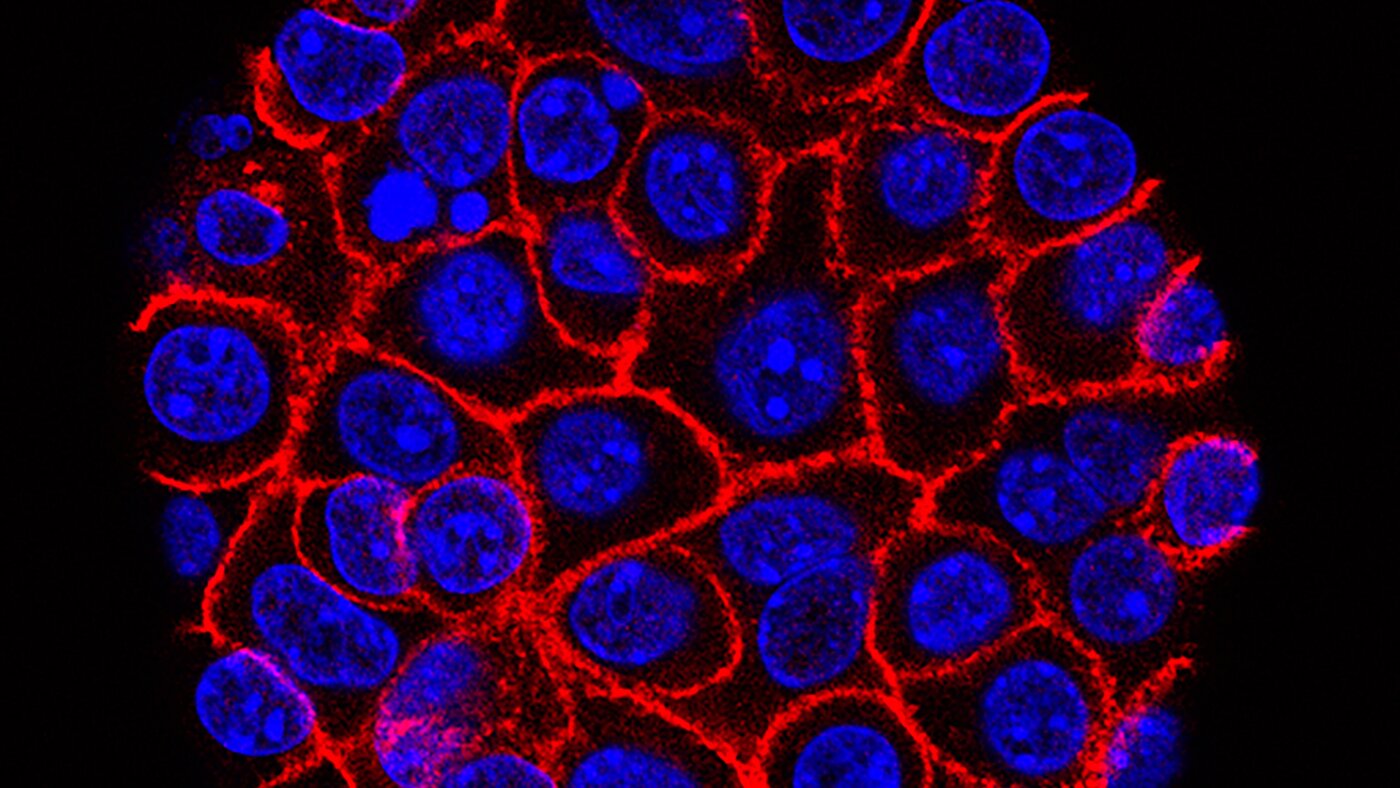
Experimental pill daraxonrasib extends survival in advanced pancreatic cancer patients, study finds
Researchers reported that daraxonrasib, a novel experimental pill, helped patients with advanced pancreatic cancer live longer by blocking a
 npr.org·3h ago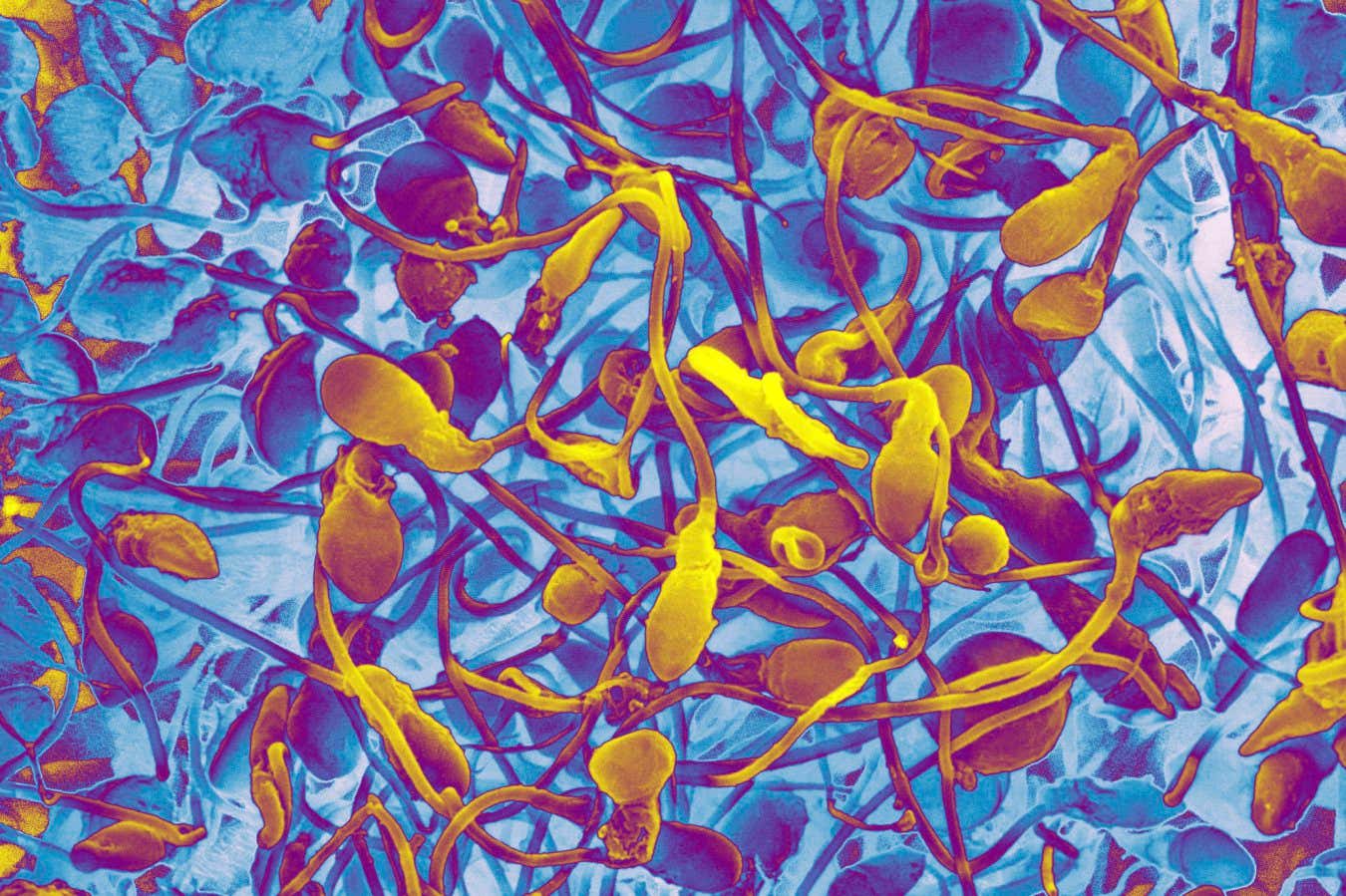
Lab-grown sperm from stem cells could help infertile men, but may require gene editing
A US start-up called Paterna Biosciences claims it can take stem cells from men's testes and grow them into sperm cells in the lab, potentia
 newscientist.com·4h ago
Spinach-derived photosynthetic treatment shows promise for dry eye disease
Scientists at the National University of Singapore have developed an experimental treatment for dry eye disease that uses photosynthetic mac
 biotechniques.com·4h ago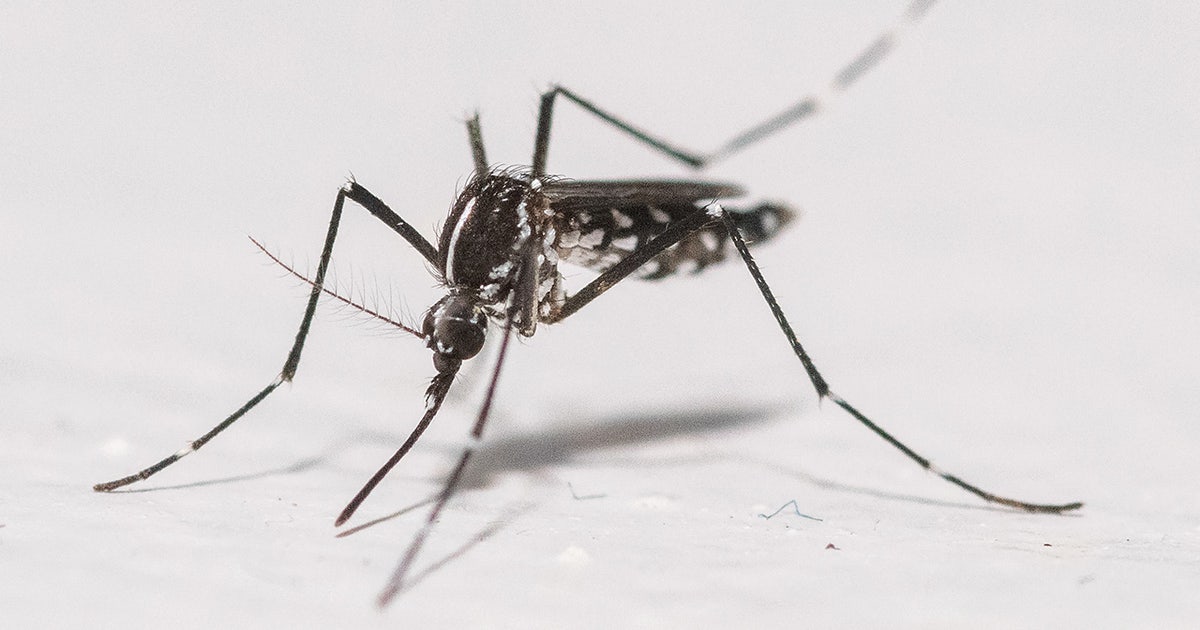
Google's Debug program seeks EPA approval to release 64 million modified mosquitoes in California and Florida
Google's Debug program plans to release up to 64 million genetically modified "good" mosquitoes in California and Florida over two years to
 bit.ly·5h ago