





















First human trial of cellular aging reversal therapy approved for January 2026 using Yamanaka factor molecular switches
By
By Space Daily Editorial Team · Editorial process

Fresh out the oven, still warm. Top of the tray.
Summary
The article reports on the first human trial approved in January 2026 for a therapy designed to partially reverse cellular aging using Yamanaka factors — proteins that can reprogram adult cells back to an embryonic-like state. This breakthrough, building on Shinya Yamanaka's Nobel Prize-winning discovery, marks humanity's formal entry into testing whether biological aging can be reversed in living humans. The therapy uses molecular switches that have already demonstrated the ability to reverse cellular aging in laboratory settings.
Key quotes
· 3 pulledThe first human trial of a therapy designed to partially reset the biological age of human cells was approved in January 2026 — using molecular switches that scientists have already shown can reverse the aging of cells in the laboratory
For about twenty years now, biologists have known that a small number of specific proteins can take a fully-developed adult cell... and send it backward in developmental time, all the way back to the embryonic state from which it originally came
The phenomenon is real, repeatable, and won Shinya Yamanaka of Kyoto University the 2012 Nobel Prize in Physiology or Medicine for the discovery
You might also wanna read
Method to reverse cellular ageing is about to be tested in humans

Clinical Trial Finds Ozempic Reverses Biological Age by 3.1 Years
The diabetes drug Ozempic has shown significant anti-aging effects in a clinical trial, reversing biological age by an average of 3.1 years
 trial.medpath.com·10mo ago
First In-Vivo Gene-Editing Therapy Successfully Saves Newborn's Life in 2025
In 2025, doctors and scientists in the U.S. successfully performed the world's first custom gene-editing therapy inside a living person—a ne
 popularmechanics.com·5mo ago
OpenAI and Retro Biosciences Develop AI Model That Achieves 50x Improvement in Stem Cell Reprogramming
OpenAI collaborated with Retro Biosciences to develop GPT-4b micro, a specialized AI model for protein engineering. The AI-designed proteins
 openai.com·9mo ago
Stanford Medicine Study Uncovers Biomolecular Shifts in 40s and 60s
A Stanford Medicine study reveals significant biomolecular changes in individuals in their 40s and 60s, impacting molecules and microorganis
med.stanford.edu·11mo ago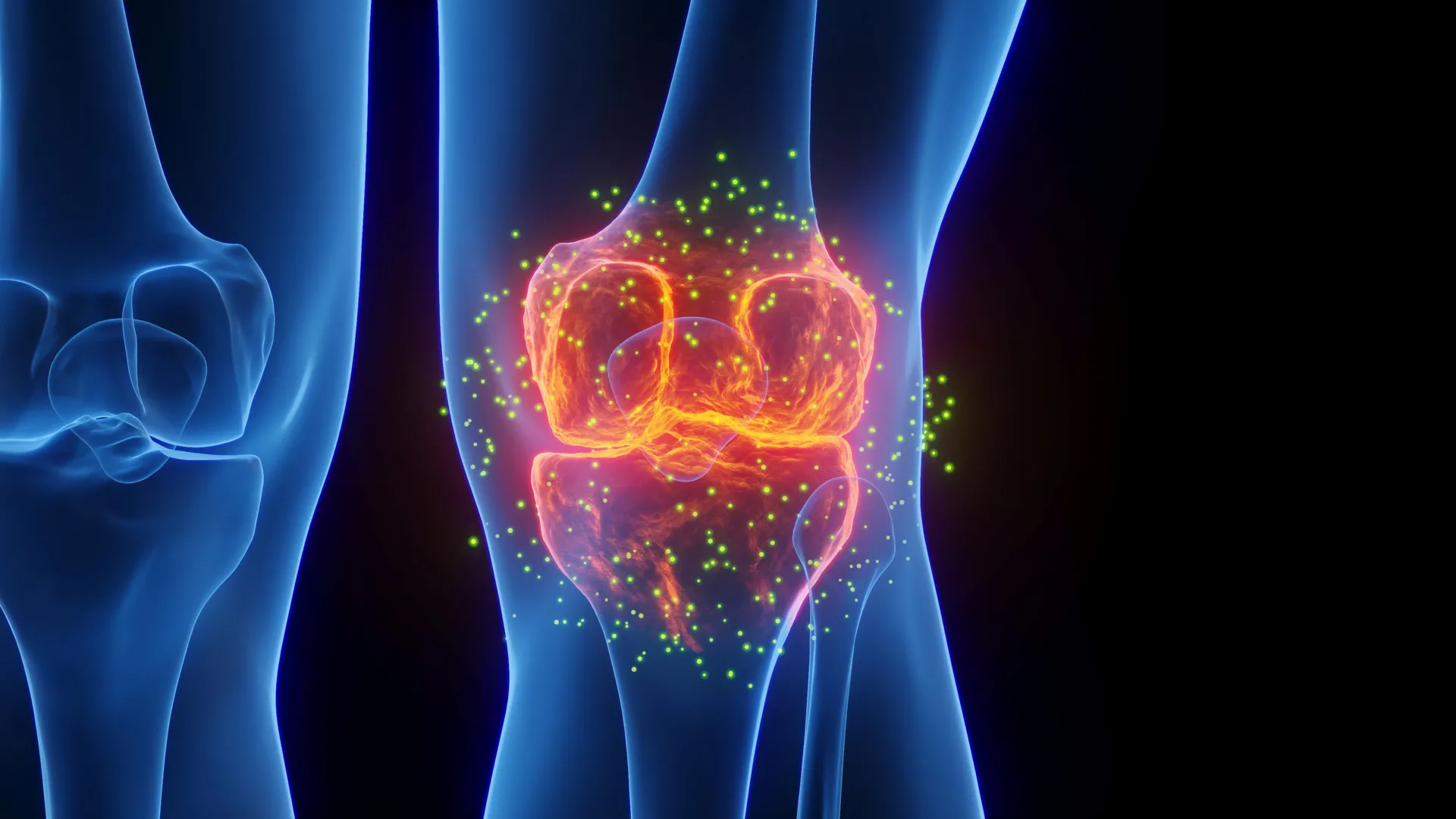
Stanford Study: Blocking Aging Protein Reverses Cartilage Loss and Prevents Arthritis
Stanford Medicine researchers have discovered that blocking a protein linked to aging can reverse cartilage loss in aging joints and prevent