





















The evolution of call audio architecture in cellular phones: from independent modems to integrated systems
By
K7PJP

Pulled from the oven just right. Trustworthy, fact-dense, deeply satisfying.
Summary
This article discusses the architectural evolution of audio handling in cellphones, specifically focusing on how call audio was traditionally managed. In older phones, the cellular modem had direct analog audio connections to the microphone and speaker, functioning as an independent "cellular phone" device. The smartphone's OS and main processor merely provided control messages for starting and ending calls, while the modem handled all voice call audio independently.
Key quotes
· 3 pulledmodern smartphones have made call audio less of a special case (mostly by just becoming more complicated in general)
the cellular modem functioned basically as a completely independent device, a fully-capable 'cellular phone'
The role of the rest of the smartphone, and its operating system, was just to provide control messages for starting and ending calls
You might also wanna read


AI company logos and their unintended anatomical resemblances: A Feedback column
A humorous Feedback column from New Scientist that observes the proliferation of AI company logos and notes a blogger's observation that man
 newscientist.com·14h ago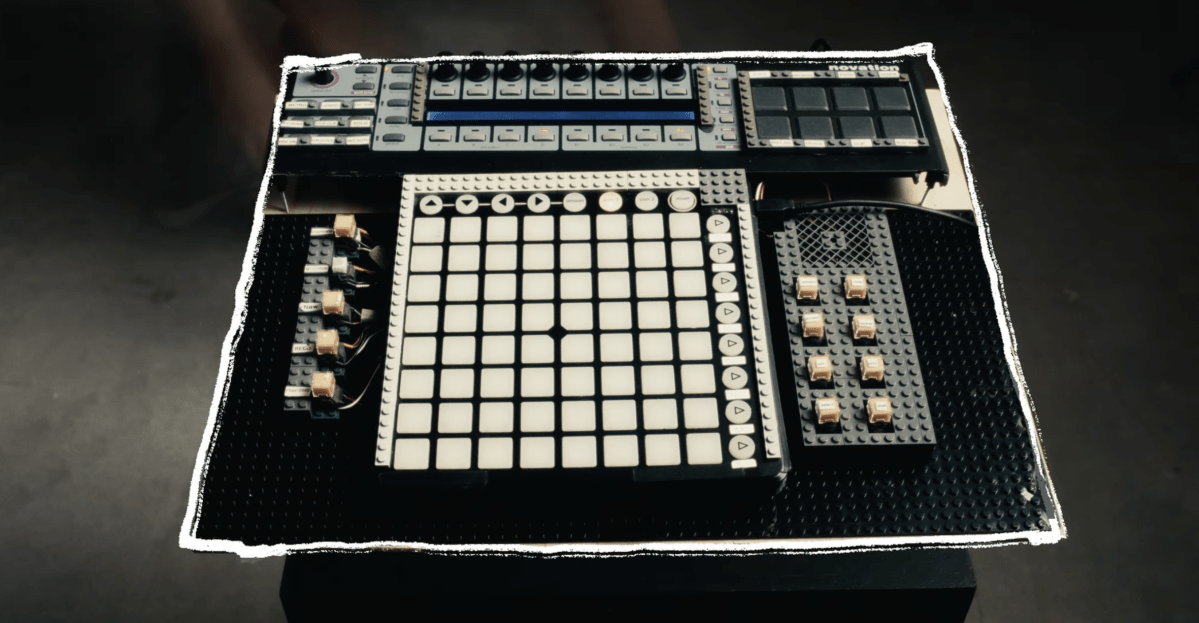
Ableton Push prototype was built from Lego bricks and scavenged music gear parts
Ableton's Push controller was originally prototyped by designer Jesse Terry using Lego bricks and parts scavenged from other music gear. Ter
 theverge.com·14h ago
Paint By JSON: A Figma Plugin for Populating Designs with Live API Data
A Figma plugin called "Paint By JSON" allows designers to populate mockups with real, live API data instead of placeholder lorem ipsum. User
 Product Hunt·14h ago
Interior Design Portfolio Brochure Template Review: Tom Sarraipo's 26-Page InDesign Layout
A review and analysis of Tom Sarraipo's 26-page interior design portfolio brochure template for Adobe InDesign. The article highlights how t
 weandthecolor.com·18h ago
Ferrari launches first electric hypercar 'Luce' designed by Jony Ive and Marc Newson
Ferrari is undergoing a historic transformation by launching its first fully electric hypercar, the "Luce" (or "Ferrari E"), designed in col
 ft.com·18h ago
Bonsai Image 4B: Compact Image Generation Models for Local Devices
Bonsai Image 4B is a family of compact image-generation models released by the company, designed to run high-quality diffusion inference on
 prismml.com·21h ago