





















The Evolution and Impact of the Vehicle Identification Number (VIN) System
By
samsullivan

Hot, fresh, and worth queueing round the block for.
Summary
The article explores the history and significance of the Vehicle Identification Number (VIN) system, introduced by the National Highway Traffic Safety Administration in 1979. The VIN serves as a unique identifier, compressed database record, and regulatory framework, encoding critical vehicle information while maintaining backward compatibility. The piece highlights the VIN's role in tracking millions of vehicles annually and its status as the only comprehensive public vehicle registry.
Key quotes
· 3 pulledTheir solution became one of the most successful information architecture projects in history - the Vehicle Identification Number standard.
What emerged wasn't just a unique identifier. It was a compressed database record, a mathematical validation system, and a regulatory framework.
This is how the NHTSA's database became the only comprehensive public vehicle registry on Earth.
You might also wanna read

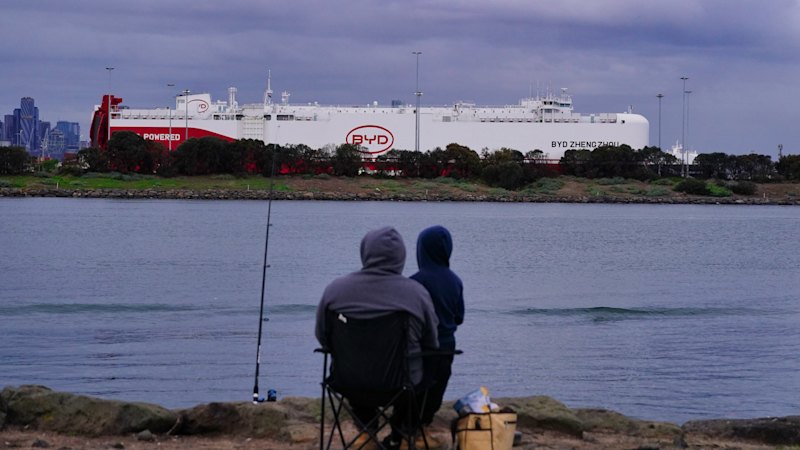
Chinese EV shipment arrives in Melbourne as geopolitical tensions drive global electric car demand surge
A massive shipment of Chinese-made electric vehicles (EVs) has arrived in Melbourne, signaling a potential permanent shift in Australian mot
 theage.com.au·4h ago
Morgan Stanley: AI capabilities, not price, will drive China's EV market competition
Morgan Stanley analysts predict that competition in China's EV market is shifting from price wars to AI capabilities, particularly autonomou
 scmp.com·14h ago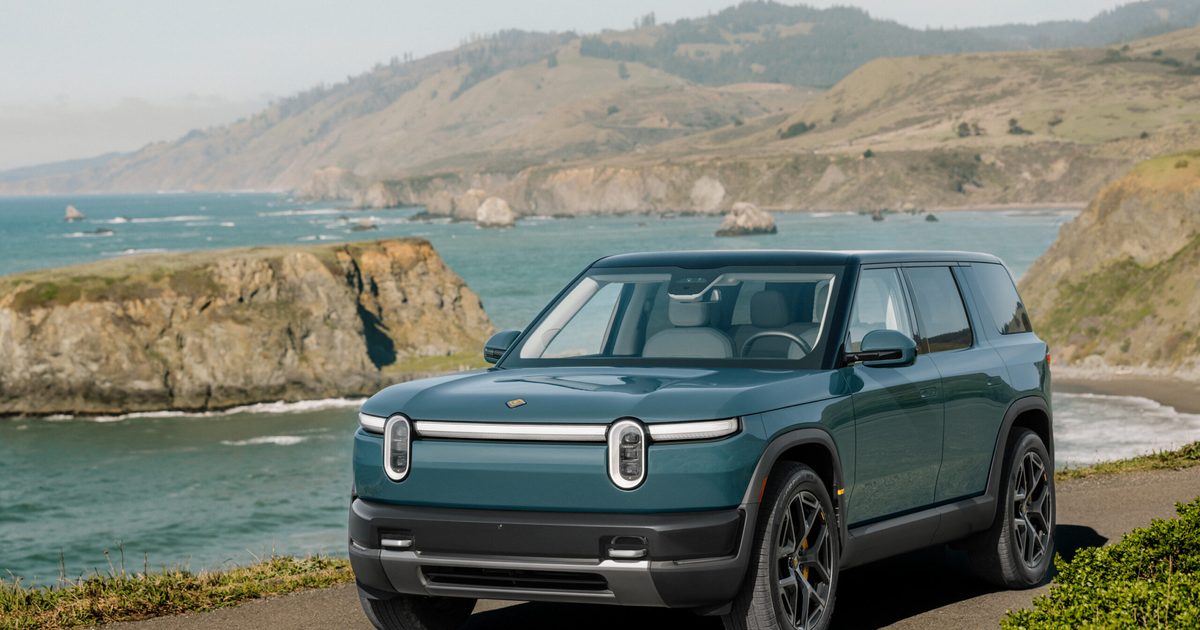
Rivian argues AI-powered assistants will make Apple CarPlay obsolete
Rivian defends its decision to exclude Apple CarPlay and Android Auto from its vehicles, arguing that AI-powered in-car assistants will soon
 digitaltrends.com·19h ago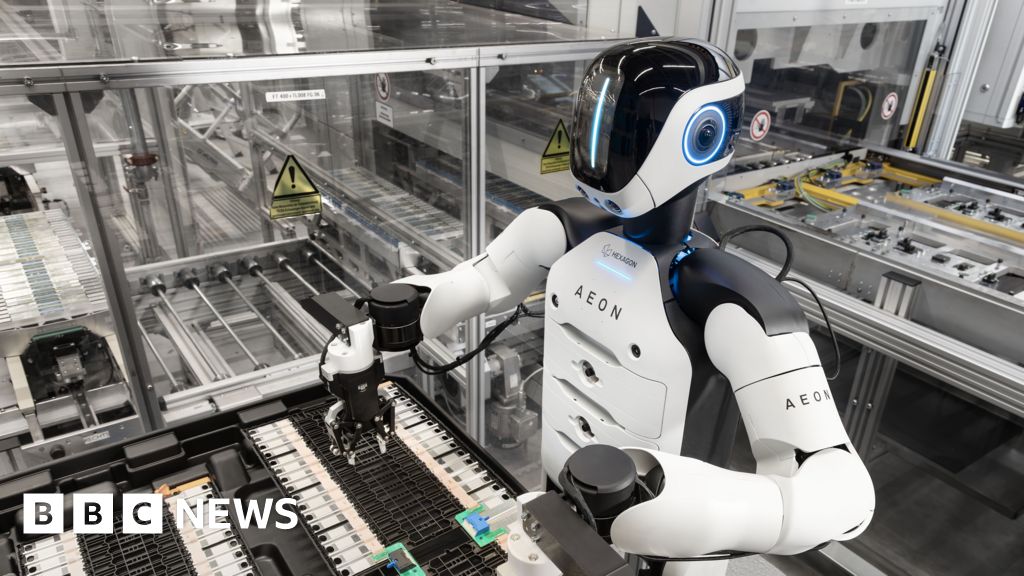
BMW to deploy humanoid robots in European car production for the first time
BMW is introducing humanoid robots from Hexagon Robotics for car manufacturing at its Leipzig factory in Europe, marking the first use of su
 bbc.com·19h ago
Former Tesla Employees Express Distrust of Full Self-Driving Technology
Reuters interviewed nine former Tesla data labelers and a former self-driving engineer about Tesla's Full Self-Driving (FSD) mode. Seven of
 futurism.com·1d ago
GM lays off 600 IT workers to make room for AI-skilled hires
General Motors has laid off approximately 600 IT workers (over 10% of its IT department) as part of a strategic workforce restructuring. The
 twp.ai·1d ago