





















Chinese EV shipment arrives in Melbourne as geopolitical tensions drive global electric car demand surge
By
Nick O'Malley

Fresh out the oven, still warm. Top of the tray.
Summary
A massive shipment of Chinese-made electric vehicles (EVs) has arrived in Melbourne, signaling a potential permanent shift in Australian motoring. The article discusses how geopolitical tensions (US/Israel-Iran conflict) blocking the Strait of Hormuz triggered an energy crisis, spiking oil prices and dramatically increasing global EV demand. Sales surged 44% in Europe, doubled in South Korea, and jumped 76% in Italy. Chinese automaker BYD is leveraging its own purpose-built ships to meet rampant Australian consumer demand for EVs, representing a major flex of Chinese industrial capability.
Key quotes
· 3 pulledBloomberg reported that 206,200 electric cars were sold in Europe in March this year during the first four weeks of the war, a 44 per cent increase over the year-earlier period.
In South Korea sales doubled, and in Italy they jumped 76 per cent.
Energy analyst Tim Buckley, the director of the think tank Climate Energy Finance, said BYD now controlled ever
You might also wanna read

China formalizes tougher outbound-investment rules following Meta's Manus acquisition blockade
China has formalized tougher outbound-investment review rules, codifying the approach used by the National Development and Reform Commission
 thenextweb.com·5h ago
Morgan Stanley: AI capabilities, not price, will drive China's EV market competition
Morgan Stanley analysts predict that competition in China's EV market is shifting from price wars to AI capabilities, particularly autonomou
 scmp.com·12h ago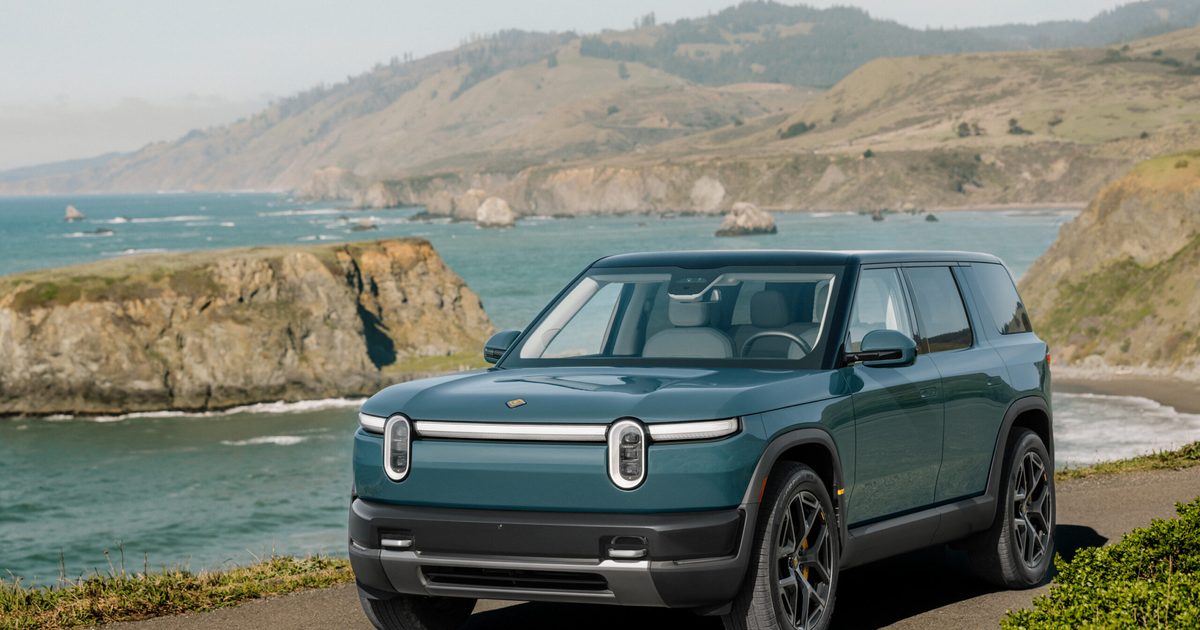
Rivian argues AI-powered assistants will make Apple CarPlay obsolete
Rivian defends its decision to exclude Apple CarPlay and Android Auto from its vehicles, arguing that AI-powered in-car assistants will soon
 digitaltrends.com·17h ago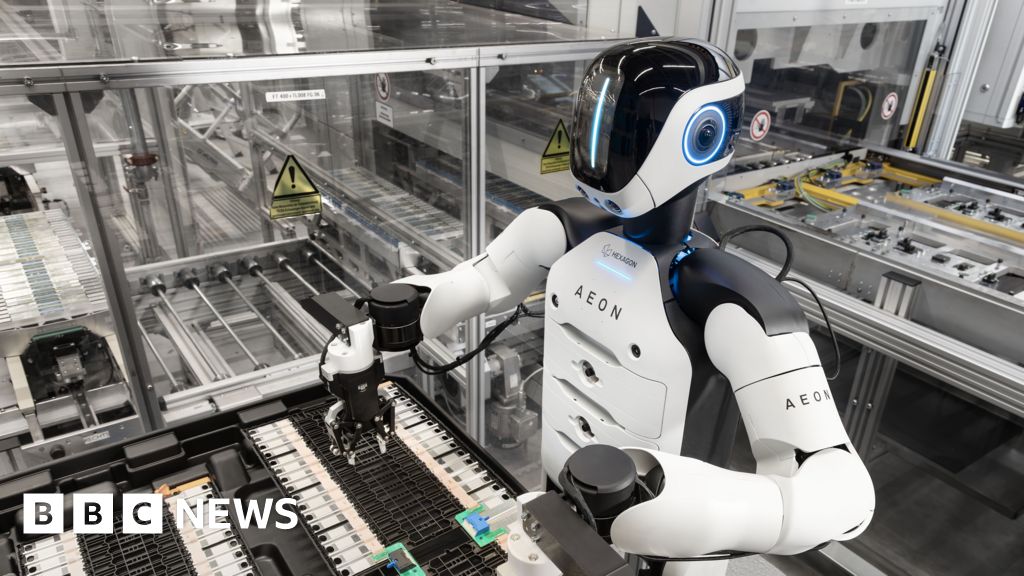
BMW to deploy humanoid robots in European car production for the first time
BMW is introducing humanoid robots from Hexagon Robotics for car manufacturing at its Leipzig factory in Europe, marking the first use of su
 bbc.com·17h ago
Eric Schmidt warns U.S. tech workers must sacrifice work-life balance to compete with China's 12-hour workdays
Former Google CEO Eric Schmidt warns that U.S. tech workers' preference for remote work and work-life balance puts them at a competitive dis
 fortune.com·22h ago
Former Tesla Employees Express Distrust of Full Self-Driving Technology
Reuters interviewed nine former Tesla data labelers and a former self-driving engineer about Tesla's Full Self-Driving (FSD) mode. Seven of
 futurism.com·1d ago