





















French astronaut Sophie Adenot teaches zero-gravity science lessons from the ISS
By
Lemma Shehadi

Plain bagel done well. Pleasantly substantive.
Summary
French astronaut Sophie Adenot, aboard the International Space Station since February, is conducting 200 microgravity experiments over eight months and sharing science lessons via video posts. In her latest demonstration, she shows how water forms a floating ball in zero gravity, which can be turned into a lens and tinted blue using food coloring from a sweet. Her mission aims to inspire public interest in space exploration through accessible science demonstrations from orbit.
Key quotes
· 3 pulledSophie Adenot blasted off to the International Space Station in February, where she has been conducting 200 experiments in microgravity over eight months.
In her latest video post from the ISS, she showed how water could be turned into a lens, and then tinted into a blue filter using the food colouring it absorbs from a sweet.
In the footage, Adenot first catches a floating ball of water using a ring attached to a handle, which she has made herself.
You might also wanna read


Royal Society elects over 90 new Fellows including pioneers in palaeontology and oncofertility
The Royal Society has elected over 90 outstanding researchers from across the world as new Fellows for this year. The cohort includes pionee
 royalsociety.org·31m ago
Global database maps Ice Age mountain glacier extents from 21,000 years ago
Researchers Augusto Lima and Suzette Flantua from the University of Bergen and the Bjerknes Centre have created GLACIMONTIS, a global geodat
 bjerknes.uib.no·1h ago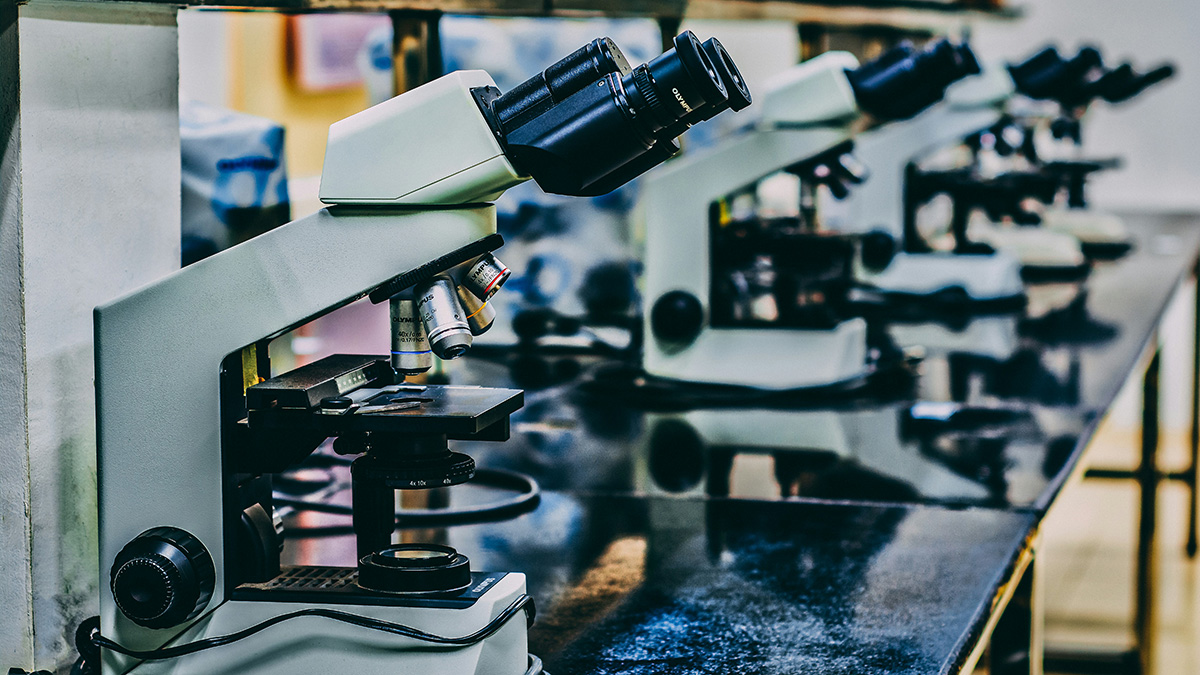
NSF Ends Postdoctoral Fellowship Program for Earth Scientists
The National Science Foundation (NSF) has eliminated its postdoctoral fellowship funding for Earth scientists, with the opportunity listed a
 eos.org·1h ago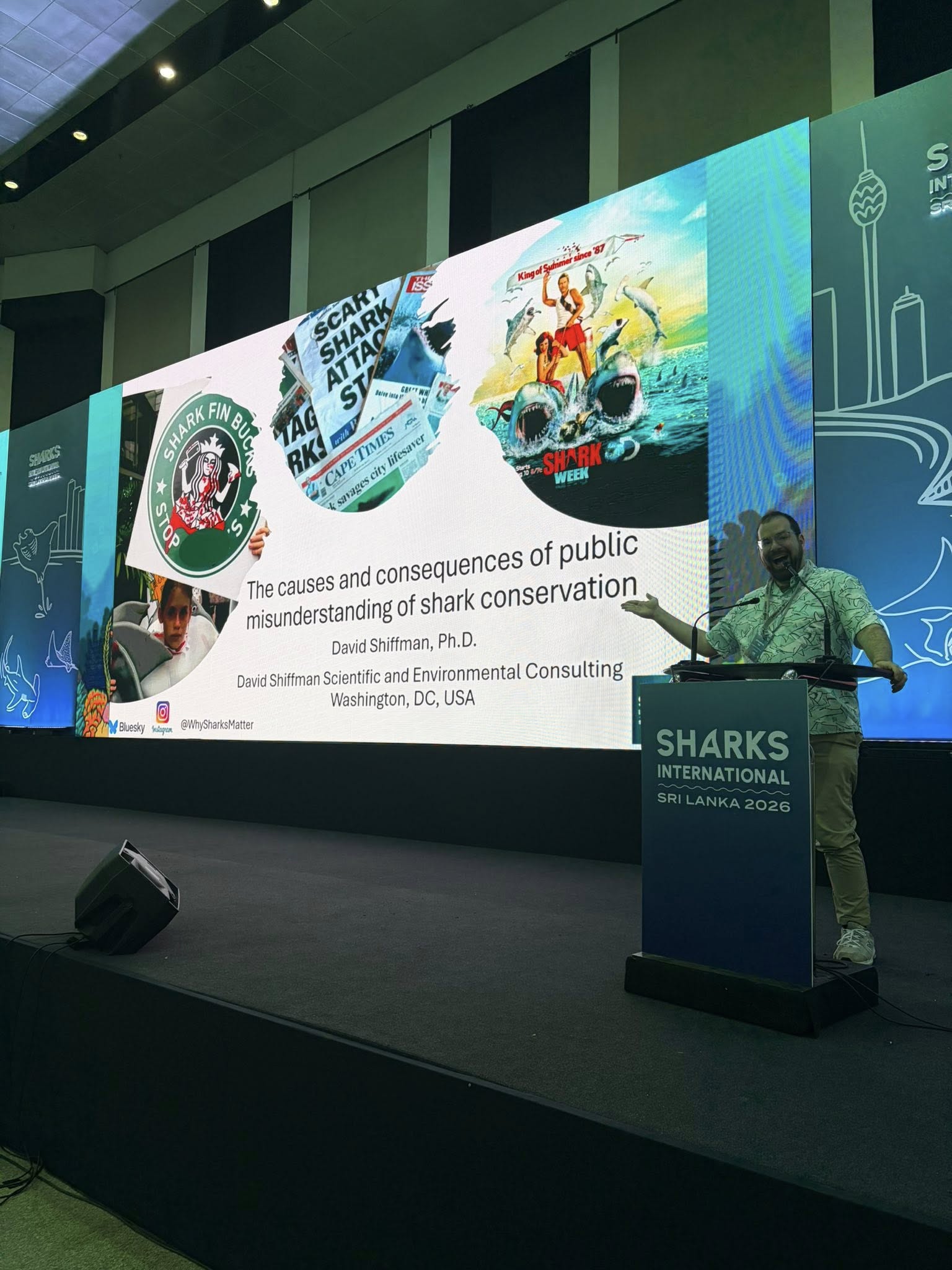
Shark scientists told that poor communication is undermining conservation efforts
At the 2026 Sharks International conference in Colombo, Sri Lanka, the author presented research to over 850 shark scientists from 84 countr
 southernfriedscience.com·1h ago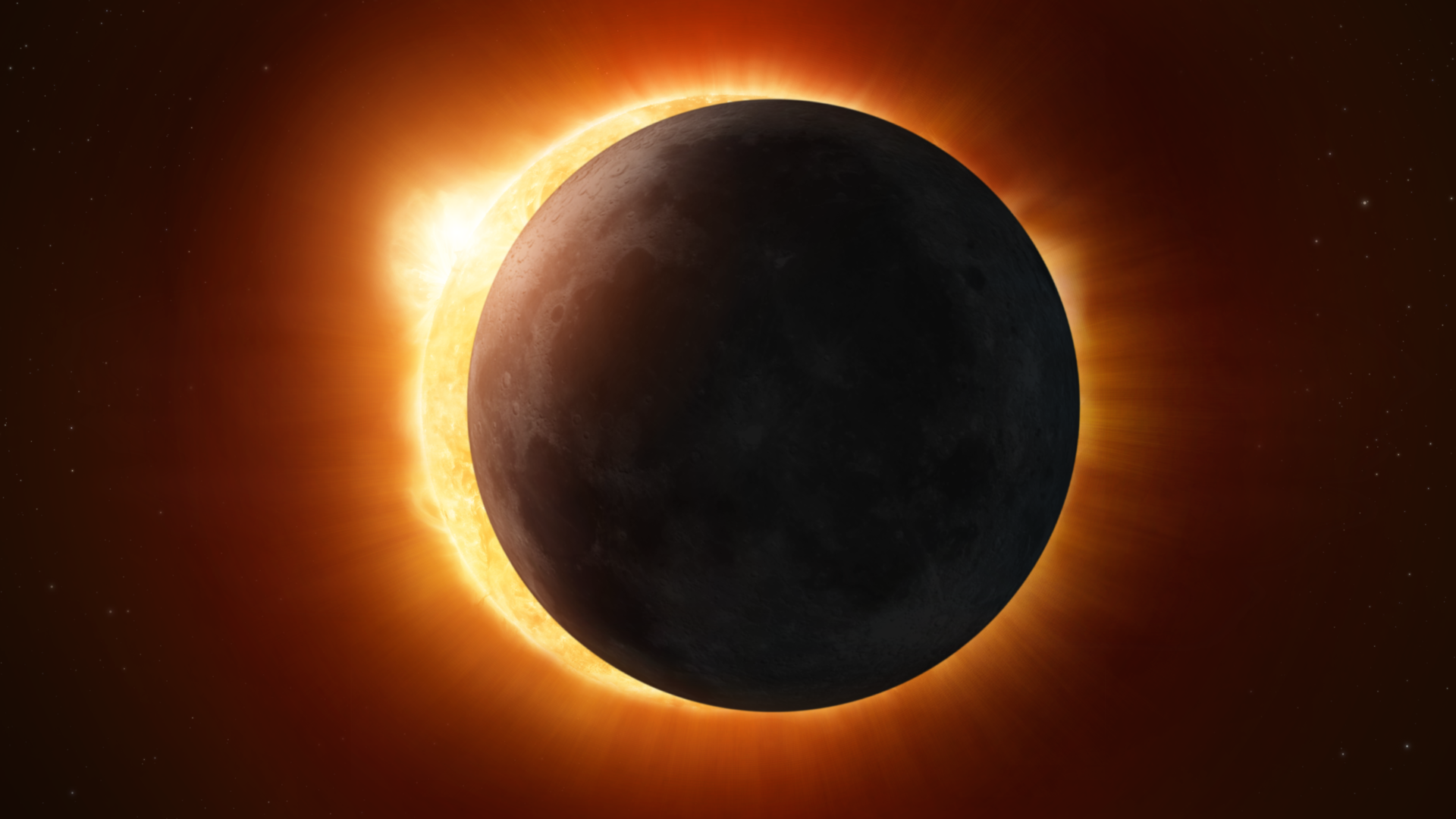
ESA to host public and online events for 12 August 2026 total solar eclipse
ESA is organizing public engagement and educational activities around the total solar eclipse on 12 August 2026, which will be visible acros

The hidden costs of cryopreservation media: Impacts on cell recovery and experimental reproducibility
This article discusses how the choice of cryopreservation medium (cryomedium) impacts cell recovery, reproducibility, and downstream experim
 labroots.com·1h ago