





















Texas Senate Bill 2972 Bans Nighttime Speech on Public University Campuses
By
hn_acker

Pulled from the oven just right. Trustworthy, fact-dense, deeply satisfying.
Summary
Texas Senate Bill 2972, if signed into law by Gov. Greg Abbott, would ban speech at night on public university campuses in Texas, impacting activities like study groups and newspaper reporting. The bill is seen as a crackdown on college students' pro-Palestinian protests.
Key quotes
· 3 pulledThe bill builds on a previous law meant to enshrine free speech on Texas campuses.
Lawmakers want to crack down on college students’ pro-Palestinian protests so badly that they literally passed a prohibition on talking.
SB 2972 would require public universities in Texas to adopt policies prohibiting engaging in expressive activities on campus.
You might also wanna read


La Policia Nacional obre expedient disciplinari a un agent per agredir una docent durant la vaga al País Valencià
La Policia Nacional ha obert un expedient disciplinari a un agent que va agredir violentament una docent durant les protestes de la vaga de
 ara.cat·2h ago
A Theoretical Framework for Targeting and Tailoring in Data-Driven Political Campaigning on Social Media
This article presents a theoretical framework for understanding two key practices in data-driven campaigning (DDC): targeting (selecting whi

EU Council adopts first-ever framework for science diplomacy
The Council of the EU has adopted its first-ever framework for science diplomacy, based on a European Commission proposal. The framework aim
 research-and-innovation.ec.europa.eu·5h ago
Chicago Teachers Union members reject dues increase for political campaign funding
Chicago Teachers Union members voted overwhelmingly against a proposed amendment that would have raised union dues to fund political campaig
 chicagotribune.com·11h ago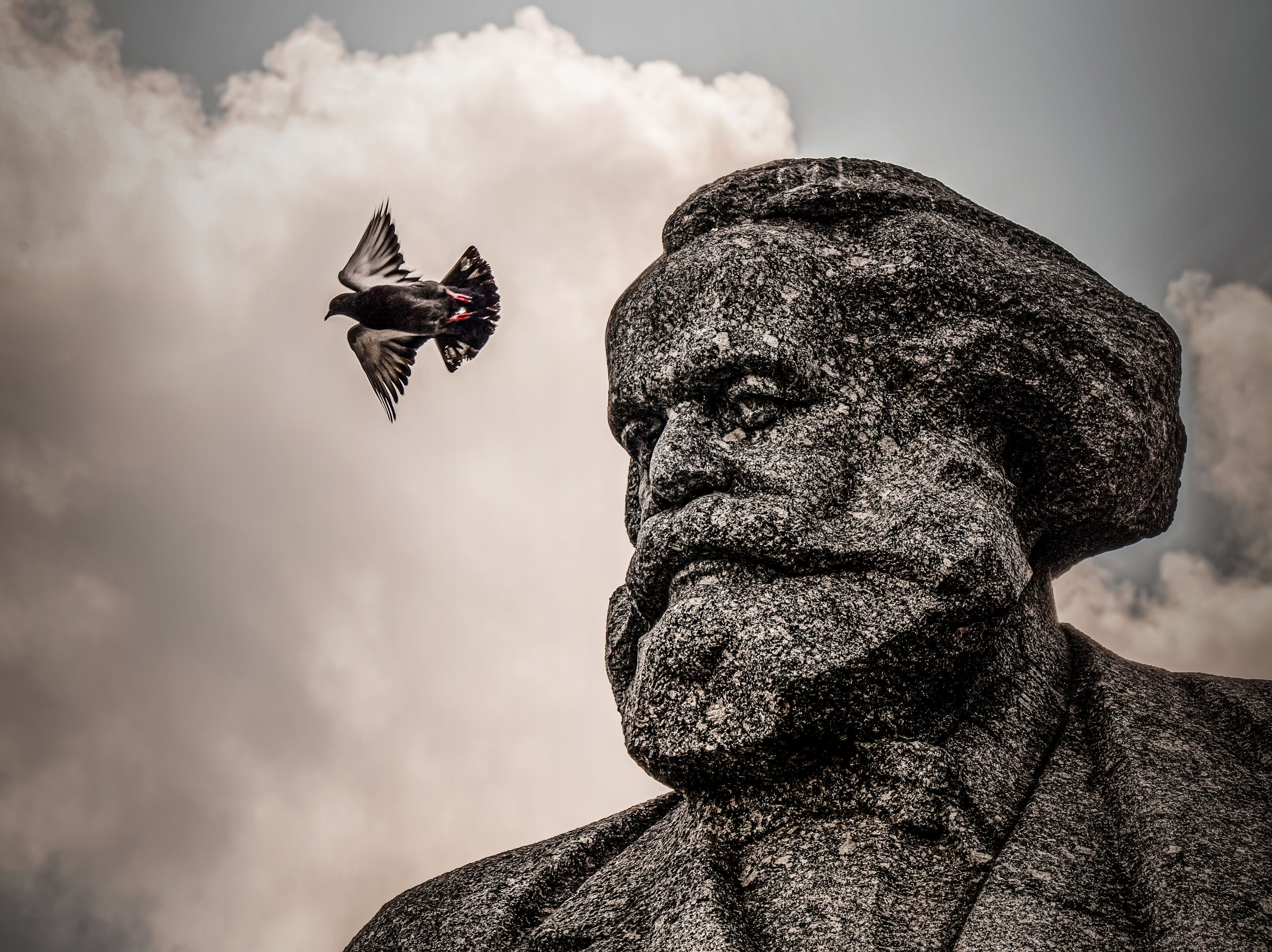
A Marxist case for democratic socialist economic planning
This article is a transcript of a Marxist Winter School presentation by Vincent R. Beaudoin arguing for the necessity of a socialist planned
 marxist.ca·15h ago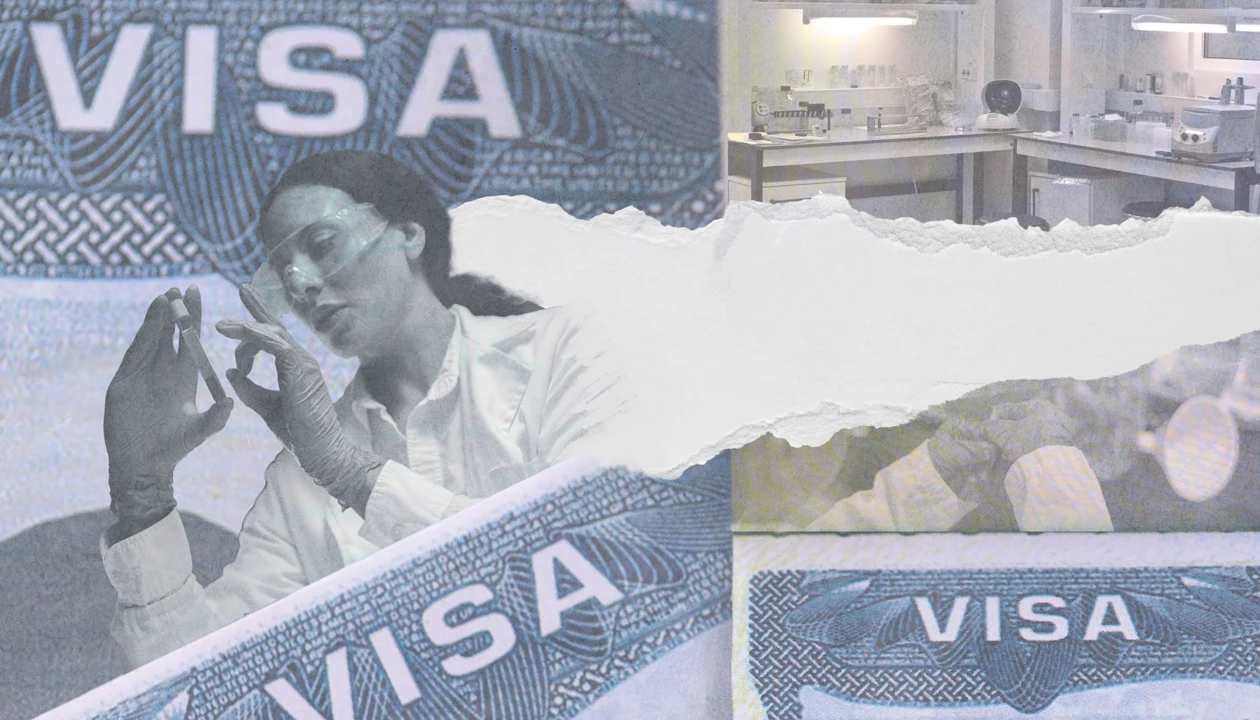
Tightening US visa rules threaten international researchers and scientific competitiveness
International scientists in the US are facing worsening visa bottlenecks marked by prolonged administrative processing, new fee and lottery
 cen.acs.org·17h ago