





















Technical Analysis of Ultrassembler's High-Speed RISC-V Assembly Performance
By
netr0ute

A five-star bake. Worth schmearing, sharing, saving.
Summary
Ultrassembler is a high-performance RISC-V assembler library developed as part of the Chata signal processing project. The article explains how it achieves exceptional speed through innovative techniques including direct binary encoding without intermediate representation, efficient parsing using lookup tables and perfect hashing, optimized instruction encoding with precomputed patterns, and memory-efficient design that avoids unnecessary allocations. It outperforms traditional assemblers like GNU as and LLVM-MC by focusing on RISC-V-specific optimizations rather than general-purpose compilation.
Key quotes
· 5 pulledUltrassembler is a superfast and complete RISC-V assembler library that I'm writing as a component of the bigger Chata signal processing project
Existing RISC-V assemblers that conform to the entirety of the specification, like as and llvm-mc, ship as binaries that you run as standalone programs
The key insight is that Ultrassembler doesn't use an intermediate representation (IR) at all - it goes directly from text to binary machine code
By using perfect hashing and direct lookup tables, Ultrassembler can resolve instruction names and operands in constant time, regardless of the instruction set size
The memory efficiency comes from careful design that avoids unnecessary allocations and reuses buffers whenever possible
You might also wanna read


Tailslayer: C++ Library for Reducing RAM Tail Latency from DRAM Refresh Stalls
Tailslayer is a C++ library designed to reduce tail latency in RAM reads caused by DRAM refresh stalls. It works by replicating data across
 github.com·1mo ago
Assembly Language Programming: The Enduring Power of Low-Level Code
This article explores the enduring relevance and unique advantages of assembly language programming, using the example of Chris Sawyer's dev
 wired.com·7mo ago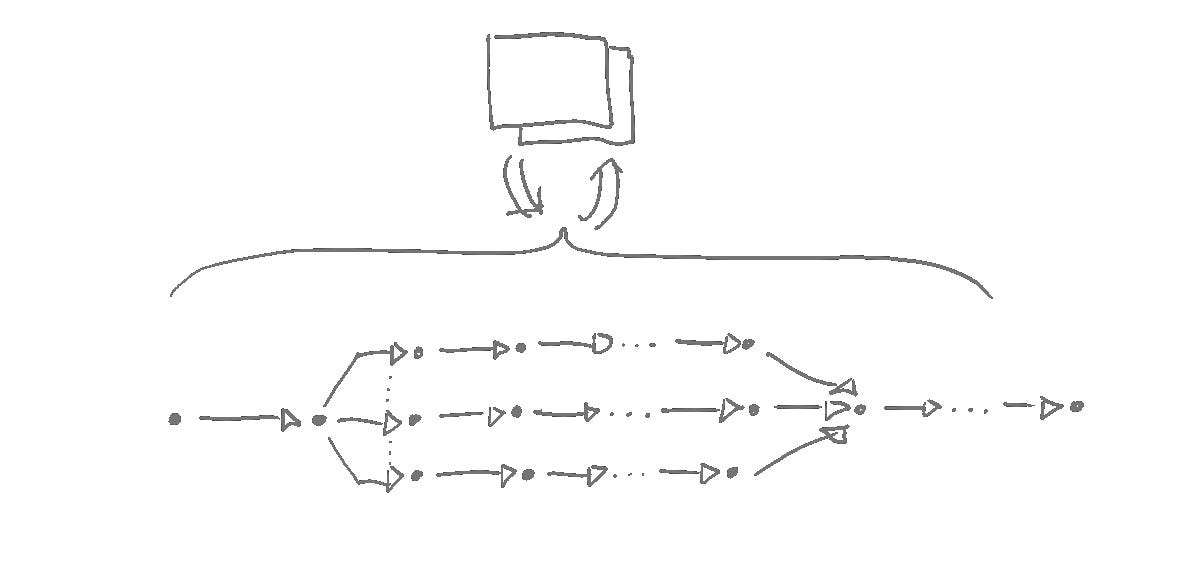
The Evolution of Multi-Core Programming: From Specialized Technique to Default Requirement
This article explores the paradigm shift in programming from single-core to multi-core processing as a fundamental requirement rather than a
 rfleury.com·7mo ago
Kefir C compiler development moves to private mode indefinitely
The developer of the Kefir C compiler announces the cessation of public development, transitioning the project to private mode indefinitely.
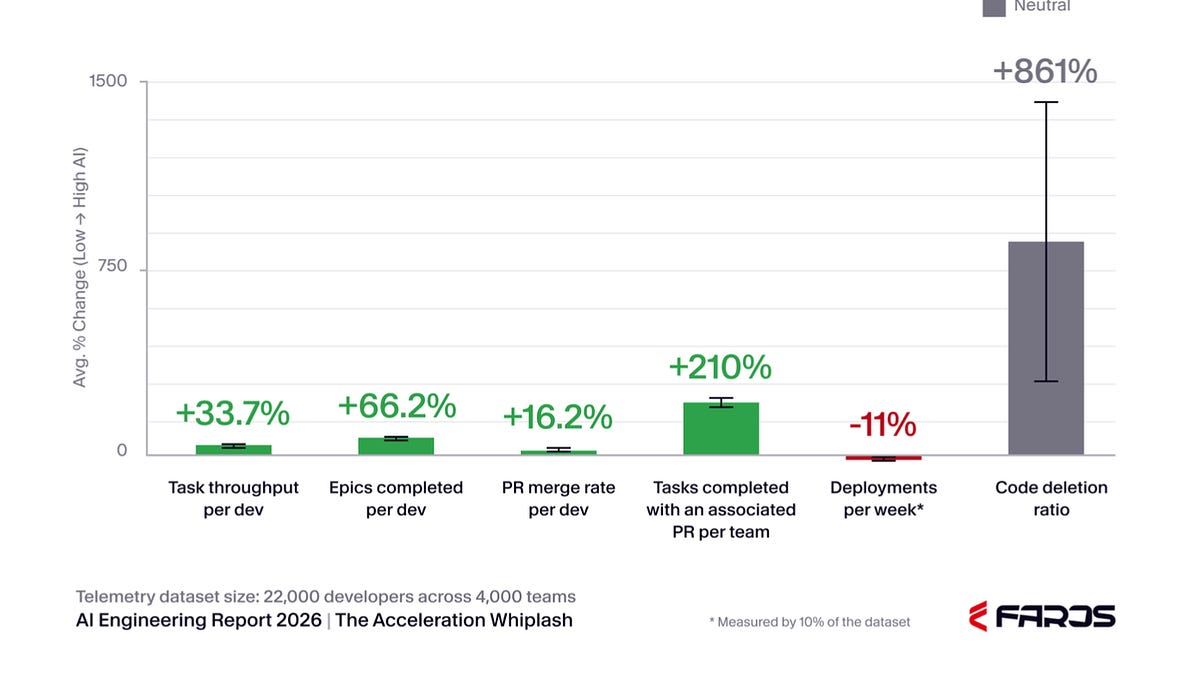
Why Average LLM Use Is Likely Destroying Value in Software Development
The author argues that, contrary to prevailing hype, the average use of Large Language Models (LLMs) is likely destroying value rather than
 unessays.substack.com·20h ago
How AI Accelerated Prototyping: From Idea to Tangible in Record Time
The author reflects on how AI has transformed their prototyping workflow. Previously, the biggest bottleneck was the time needed to scaffold
 darylcecile.net·20h ago