





















WashU engineers develop fully recyclable protein-based textile fibers
By
Leah Shaffer

A baker's-dozen of insight crammed into one ring.
Summary
Chemical engineers at Washington University in St. Louis have developed a synthetic protein fiber called SAM (silk-amyloid-mussel protein hybrid) that can be easily recycled and reused without losing its original strength and properties. The engineered protein polymer addresses the textile industry's massive waste problem, where only about 12% of fiber materials are currently recycled, and synthetic fibers shed microplastics into oceans during wash cycles. The material can be dissolved in a solvent and remade, offering a sustainable alternative to conventional textiles.
Key quotes
· 3 pulledThe textile industry produces a substantial portion of the world's waste. Only about 12% of fiber materials are recycled.
During every wash cycle, synthetic fibers shed microplastics that are flushed down the drain and eventually enter aquatic environments.
Increasing textile recycling alone won't solve...
You might also wanna read


Researchers Develop Fireproof Building Material from Sawdust Using Struvite Mineral
Researchers at ETH Zurich and Empa have developed a novel process that converts sawdust into a fireproof, recyclable building material using
 Dezeen·1mo ago
Scientists stabilize elusive crystal phase using silver nanoparticles, unlocking room-temperature quantum properties
Researchers from Brown University and the University of Michigan have created and stabilized a previously theoretical state of matter by arr
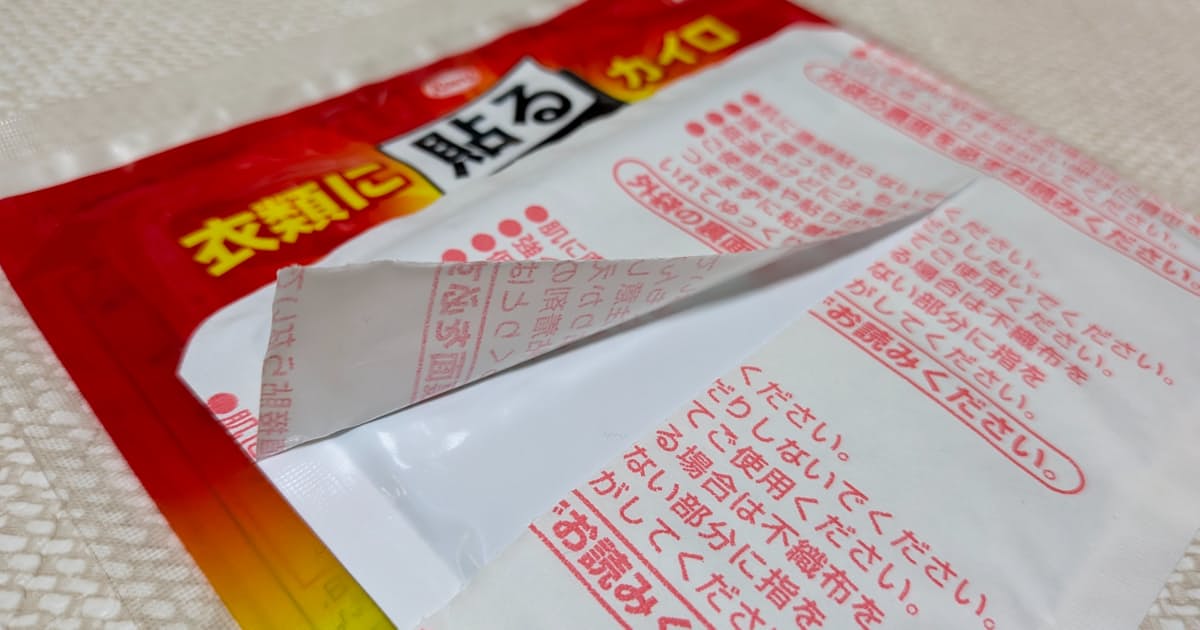
東レ、繊維のみに貼り付く特殊フィルムを開発—貼るカイロの剝離紙不要に
東レが布や繊維だけに貼り付き、人の指や金属・プラスチックなどには貼り付かない特殊フィルムを開発した。粘着面に10〜20マイクロメートル程度の非粘着性の微細な突起を施すことで、平らな表面には貼り付かず、繊維のみが突起の間に入り込んで接着する仕組み。これにより、貼るカイロなどで使用時

University of Illinois researchers develop 3D chip stacking technique to extend Moore's Law
Researchers at the University of Illinois Grainger College of Engineering have developed a breakthrough in 3D chip manufacturing that could

Kyushu University achieves 130% quantum yield in solar cells using molybdenum spin-flip emitter and singlet fission
Researchers at Kyushu University, in collaboration with German scientists, have achieved a 130% quantum yield in solar energy conversion usi
 energiesmedia.com·2d ago
Gallium phosphide-titanium solar cell shows potential for 60% energy conversion efficiency
Researchers have developed a solar cell using gallium phosphide (GaP) and titanium (Ti) that could theoretically achieve 60% energy conversi
 interestingengineering.com·2d ago