





















Sustainable Carbon-to-Acetylene Process with Barium Compounds
By
blacksqr

The kind of bagel that ruins lesser bagels for you.
Summary
This article discusses a sustainable methodology for converting carbon sources into acetylene and carbon monoxide while capturing CO2 based on a novel looping process using barium compounds. The study focuses on replacing calcium carbide with barium carbide as the key intermediate, highlighting its advantages in terms of lower formation temperature, faster kinetics, and no carbon dioxide emissions. The research demonstrates the feasibility of the barium-based carbon-to-acetylene process, emphasizing its economic and environmental benefits.
Key quotes
· 3 pulledA sustainable methodology for carbon-to-acetylene and carbon monoxide co-production as well as CO2 capture based on Ba looping was first established.
The proposed technology would provide new insights into the reengineering process of carbon to chemicals.
The barium-based carbon-to-acetylene process was more economical, more environmentally friendly than that based on calcium carbide, and would be executable with bright application prospects.
You might also wanna read

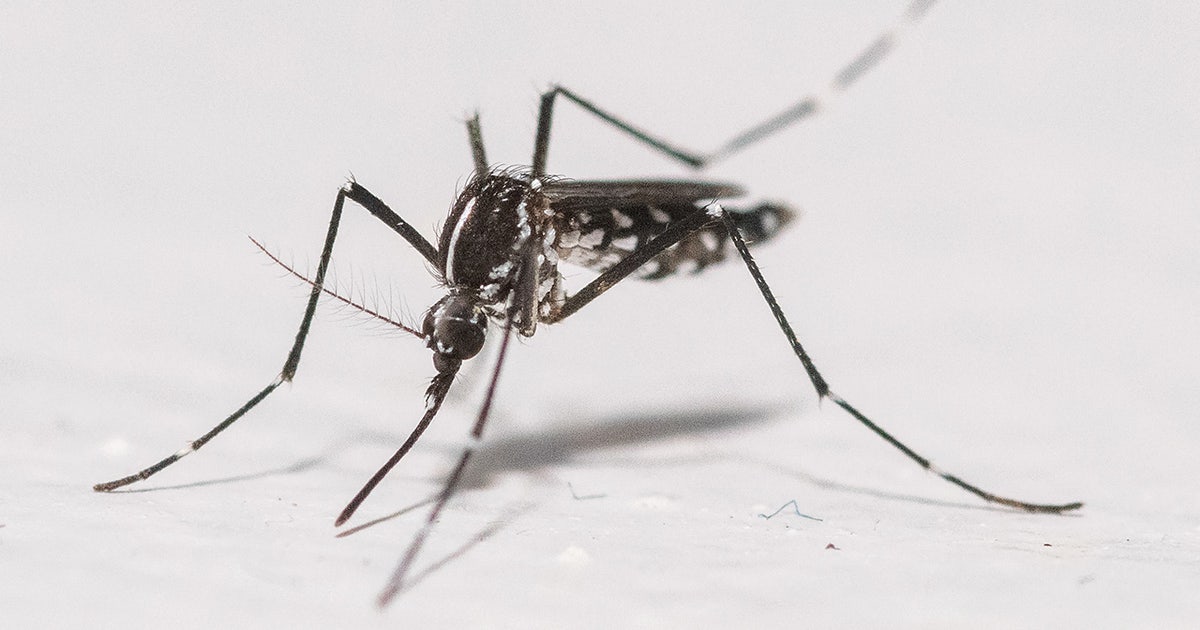
Google's Debug program seeks EPA approval to release 64 million modified mosquitoes in California and Florida
Google's Debug program plans to release up to 64 million genetically modified "good" mosquitoes in California and Florida over two years to
 bit.ly·1h ago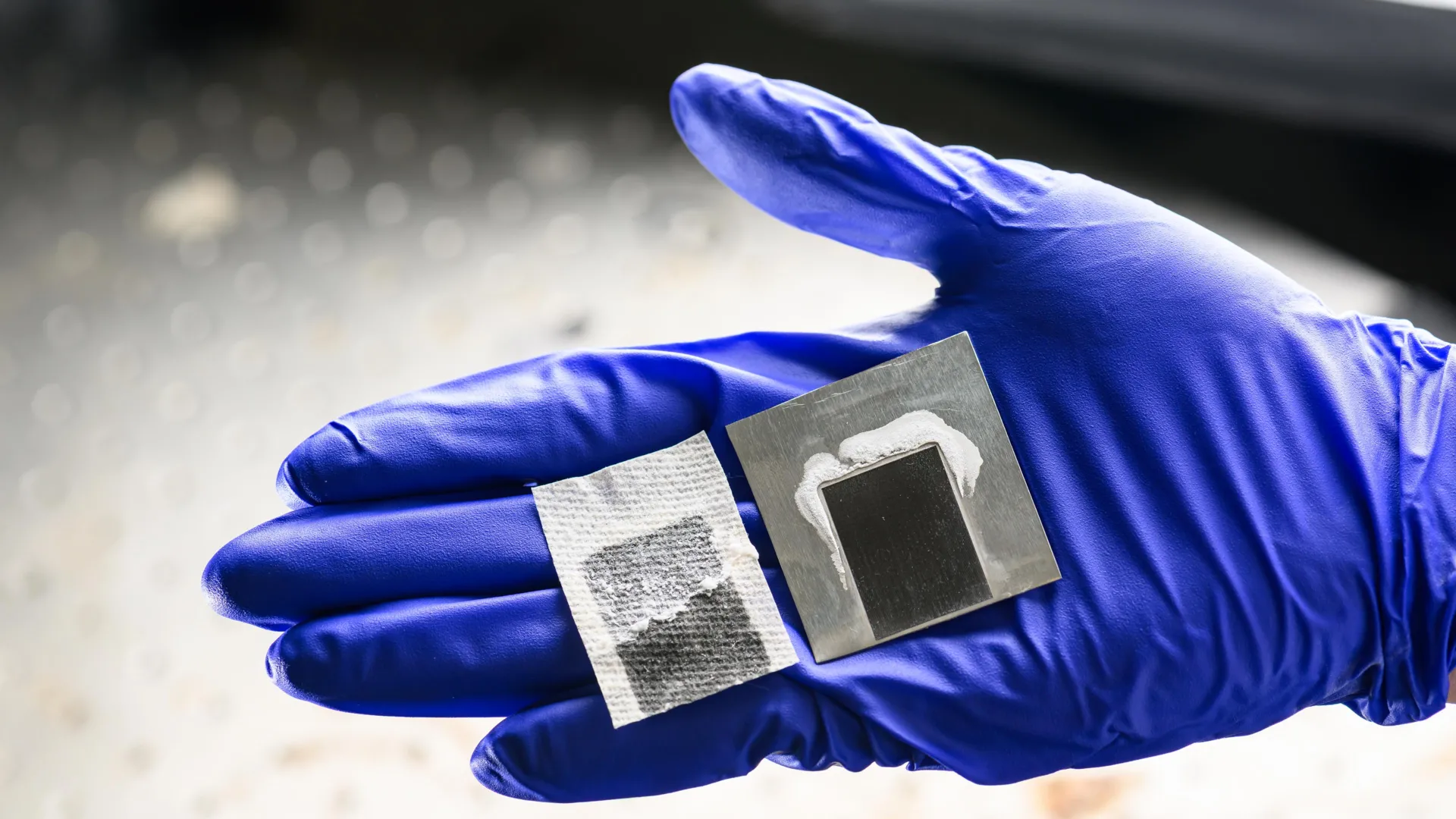
Solar desalination system eliminates toxic brine while producing fresh water
Scientists have developed a solar-powered desalination system that converts seawater into fresh water without producing toxic brine, a major
Solar desalination system eliminates toxic brine while producing fresh water
Scientists have developed a solar-powered desalination system that converts seawater into fresh water without producing toxic brine, a major

Conservation Group Uses Concrete Molds to Build Artificial Reefs in Malaysia's Coral Triangle
A conservation group is using concrete molds and 3D-printed structures to build artificial reefs in the Coral Triangle near Malaysia, aiming
 nytimes.com·11h ago
Geoengineering: From 1965 White House Proposal to Mainstream Climate Solution
The article traces the history of geoengineering from a 1965 White House advisory to President Johnson, through Exxon's internal climate war
 atmos.earth·22h ago
Environmental consequences of rocket launch failures and spaceport pollution
The article examines the environmental consequences of space launches, particularly when rockets fail. It highlights the destruction caused
 bbc.com·23h ago