





















Study: Cocaine Pollution Alters Wild Fish Behavior, Causing Increased Wandering in Brown Trout
By
1659447091

A weekday bagel. Dependable, satisfying, no fuss.
Summary
A scientific study reveals that cocaine pollution in waterways affects fish behavior in the wild, with brown trout exposed to cocaine showing increased activity, wandering behavior, and delayed return to shelter. This research provides the first evidence of how illicit drugs impact fish behavior in natural environments, adding to concerns about chemical pollution's effects on wildlife.
Key quotes
· 4 pulledLong after the high is gone, illegal drugs linger in the environment. Cocaine and its breakdown products, for example, are found in rivers and lakes worldwide.
And like children living with secondhand smoke, wildlife in polluted waters—including tiny crustaceans, fish, and even sharks—can’t help but take up these drugs.
Now, a research team has conducted the first study of how drugs affect behavior of fish in the wild adds to concerns about chemical exposure.
In laboratory studies, water fleas exposed to cocaine swim faster and crayfish will venture behind their hiding places, a risky behavior in nature.
You might also wanna read


Penguins Used as Environmental Monitors to Detect PFAS Chemicals in Patagonia
Researchers from UC Davis and SUNY-Buffalo conducted a study using Magellanic penguins as environmental monitors by outfitting them with sil
 ucdavis.edu·1mo ago
40 years after Chernobyl: How wildlife has adapted to life in the irradiated exclusion zone
40 years after the Chernobyl nuclear disaster, wildlife in the surrounding irradiated landscape has adapted in unexpected ways. Scientist Pa
 bbc.com·1mo ago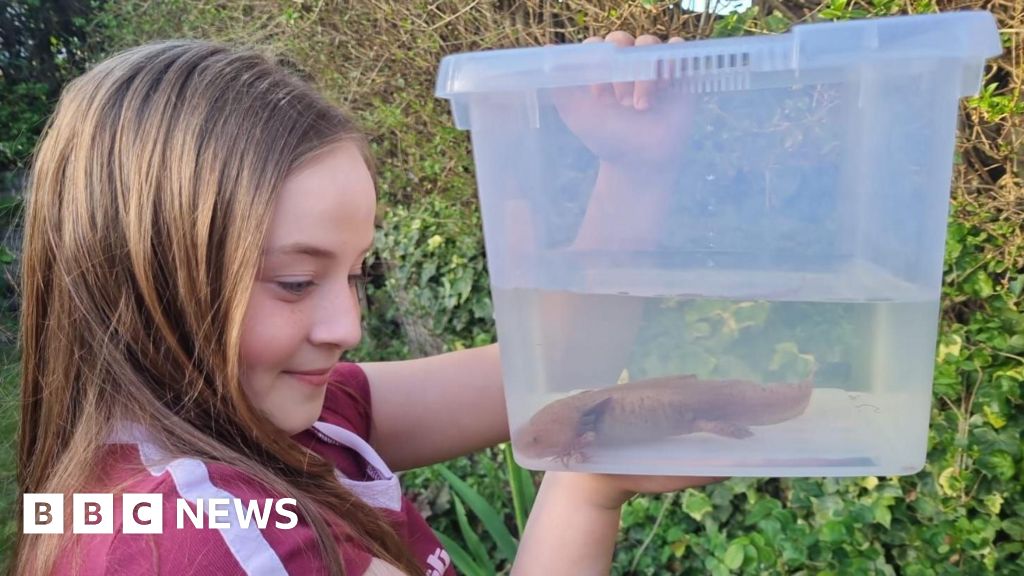
Girl, 10, discovers endangered Mexican axolotl under a bridge in Wales
A 10-year-old girl named Evie discovered a rare Mexican axolotl, an endangered amphibian, under a bridge near the River Ogmore in Bridgend,
bbc.com·1mo ago
Study Finds Data Center Development Correlated with Heat Island Effects
A non-peer-reviewed study by researchers from institutions including the University of Cambridge and Nanyang Technological University has fo
 Dezeen·1mo ago
University of Helsinki Researchers Develop Efficient Carbon Dioxide Capture Method Using Superbase-Alcohol Compound
Researchers at the University of Helsinki have developed a new carbon capture method using a superbase-alcohol compound that can absorb 156
 helsinki.fi·5mo ago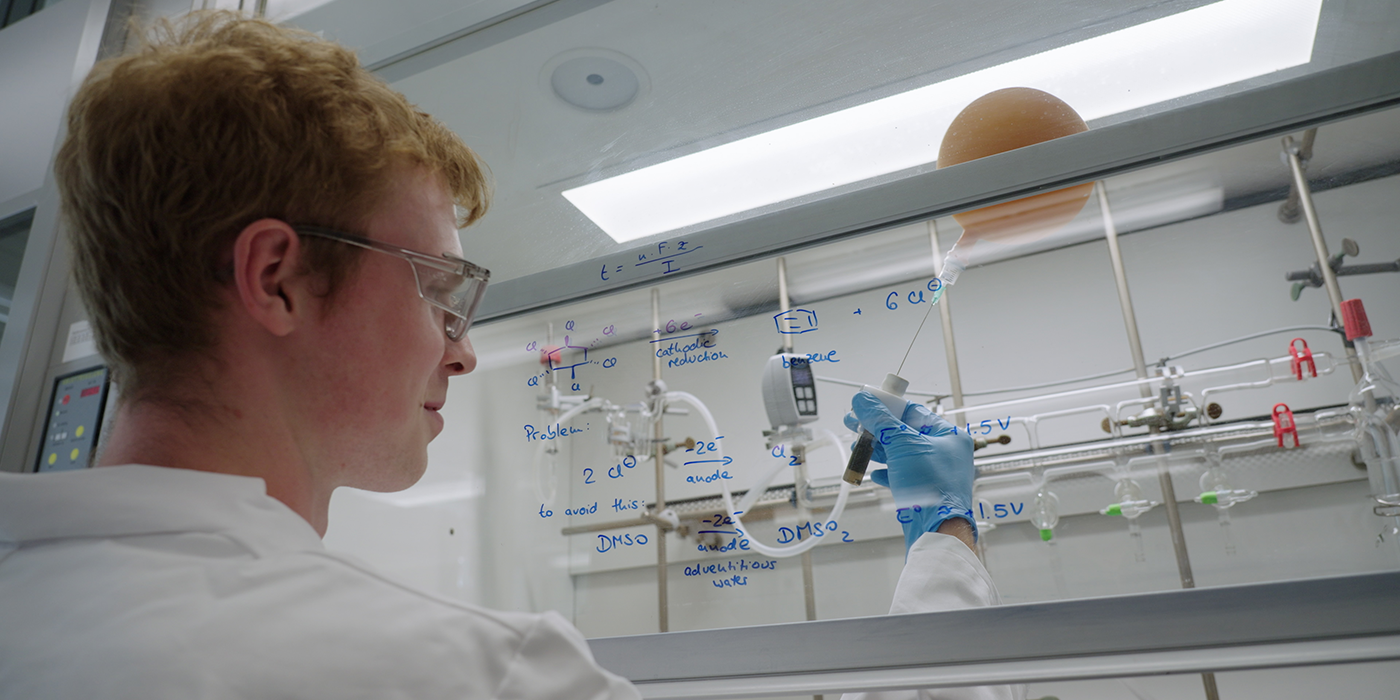
ETH Zurich Researchers Develop Electrolysis Method to Convert Soil Contaminants into Valuable Chemicals
ETH Zurich researchers have developed an electrolysis-based method to remove persistent insecticides like DDT and lindane from contaminated
 ethz.ch·5mo ago