





















40 years after Chernobyl: How wildlife has adapted to life in the irradiated exclusion zone
By
reconnecting

Soggy bottom. Skim the top, leave the rest on the tray.
Summary
40 years after the Chernobyl nuclear disaster, wildlife in the surrounding irradiated landscape has adapted in unexpected ways. Scientist Pablo Burraco explores the abandoned zone near the reactor ruins, observing how animals have survived and changed in the poisoned environment. The article challenges assumptions about how wildlife responds to long-term radiation exposure.
Key quotes
· 3 pulled"Pa-pa-pa-pa-pa!" In the middle of the night, a noise from the darkness in the abandoned, irradiated landscape of Chernobyl.
Pablo Burraco, a scientist, stepped quietly between the trees, not far from the ruins of the power plant at the centre of the world's worst nuclear disaster.
In the aftermath of the catastrophic reactor explosion in 1986, the surrounding area was evacuated for many miles, so few people trod where Burraco now did.
You might also wanna read


Girl, 10, discovers endangered Mexican axolotl under a bridge in Wales
A 10-year-old girl named Evie discovered a rare Mexican axolotl, an endangered amphibian, under a bridge near the River Ogmore in Bridgend,
 bbc.com·1mo ago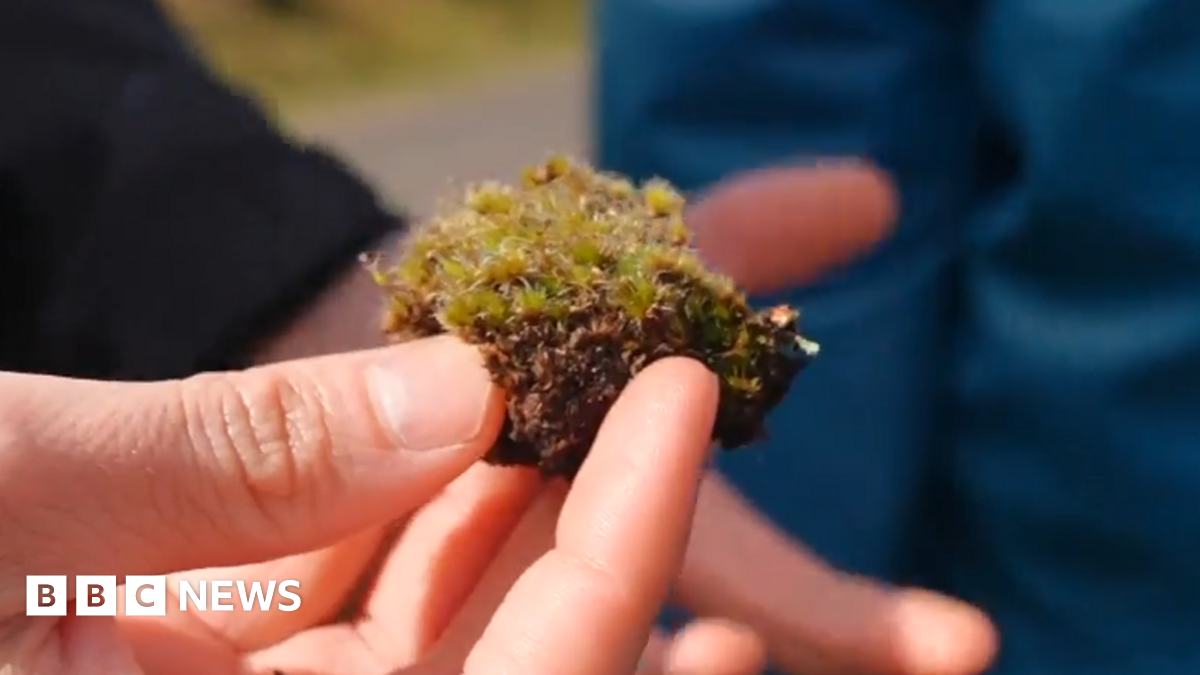
Newly discovered fungus could help control invasive moss threatening UK habitats
A newly discovered killer fungus species shows promise for controlling the invasive heath-star moss that threatens UK native habitats like t
 bbc.co.uk·17h ago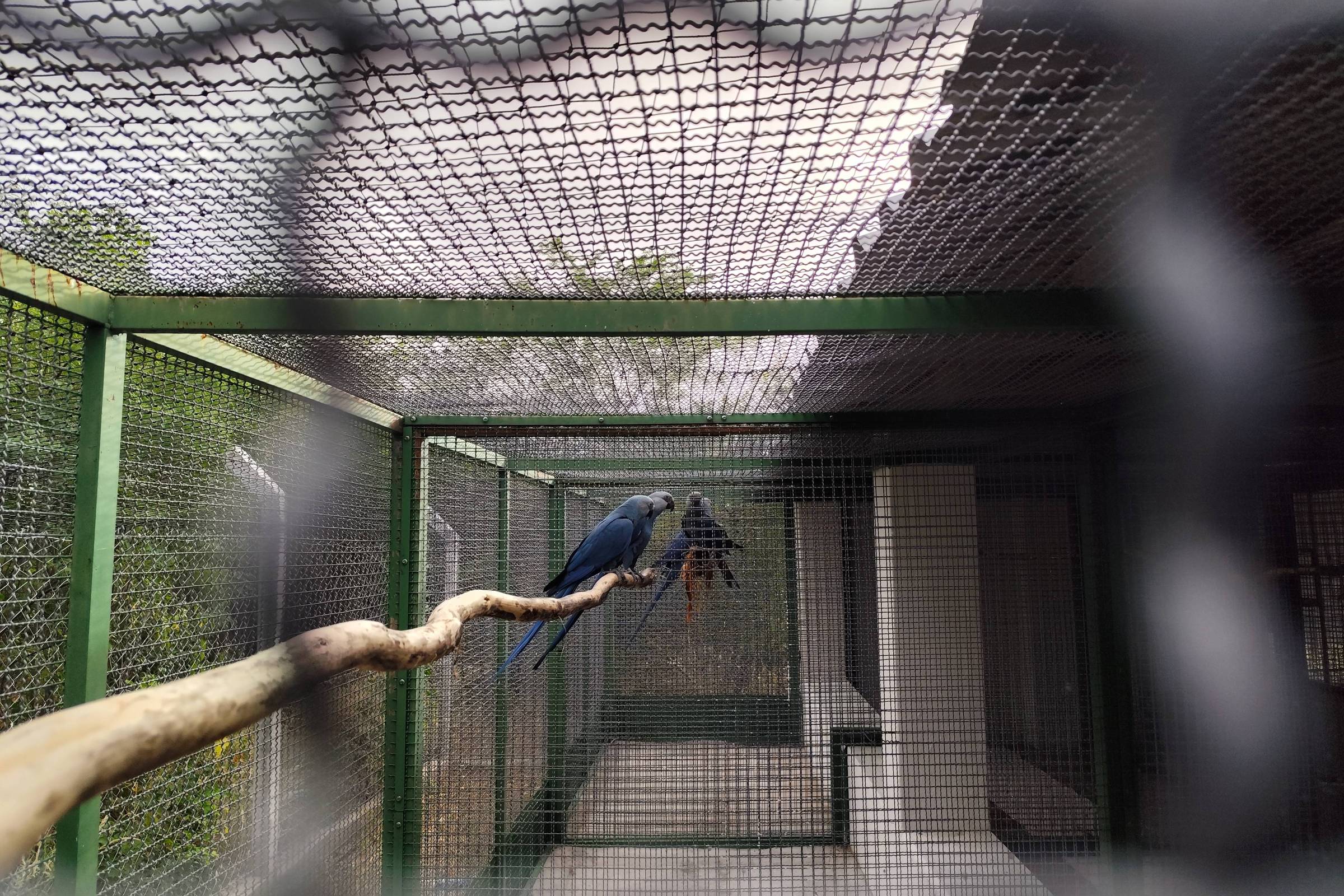
Opinião: A saga da ararinha-azul, joia da caatinga, ganha novo capítulo dramático
This opinion piece discusses the little-known caatinga biome (the only 100% Brazilian biome) and its beauty, while introducing the story of
 mla.bs·1d ago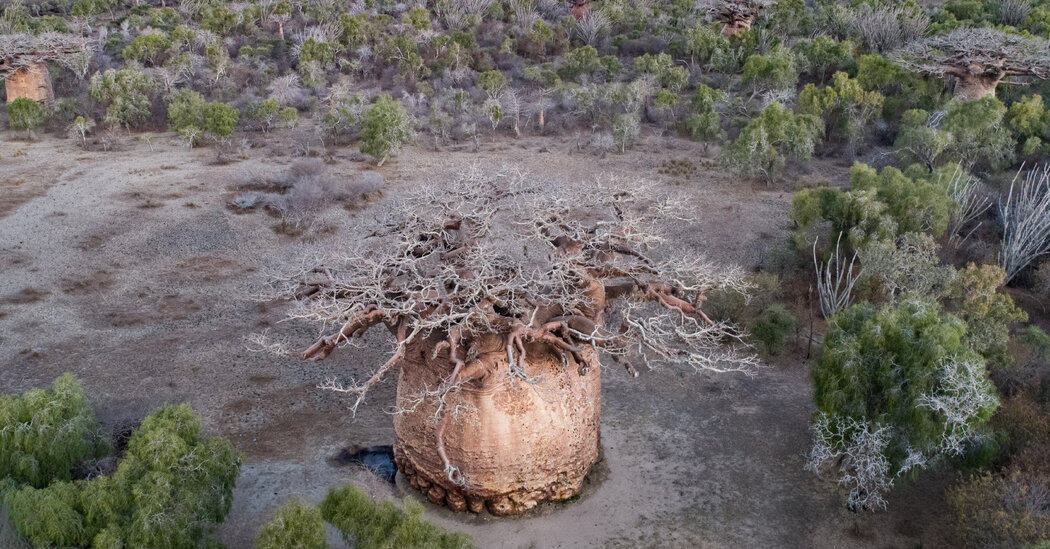
Sacred 1,500-Year-Old Baobab Tree in Madagascar Shows Signs of Decay
A centuries-old sacred baobab tree called Tsitakakantsa in Madagascar's Andombiry Forest is slowly dying, showing signs of decay including a
 nytimes.com·1d ago
Europe's forests struggle to survive as climate-driven heatwaves intensify
The article reports on how Europe's forests are suffering from climate-driven heatwaves and drought, using the example of a dying oak tree i
 enca.com·1d ago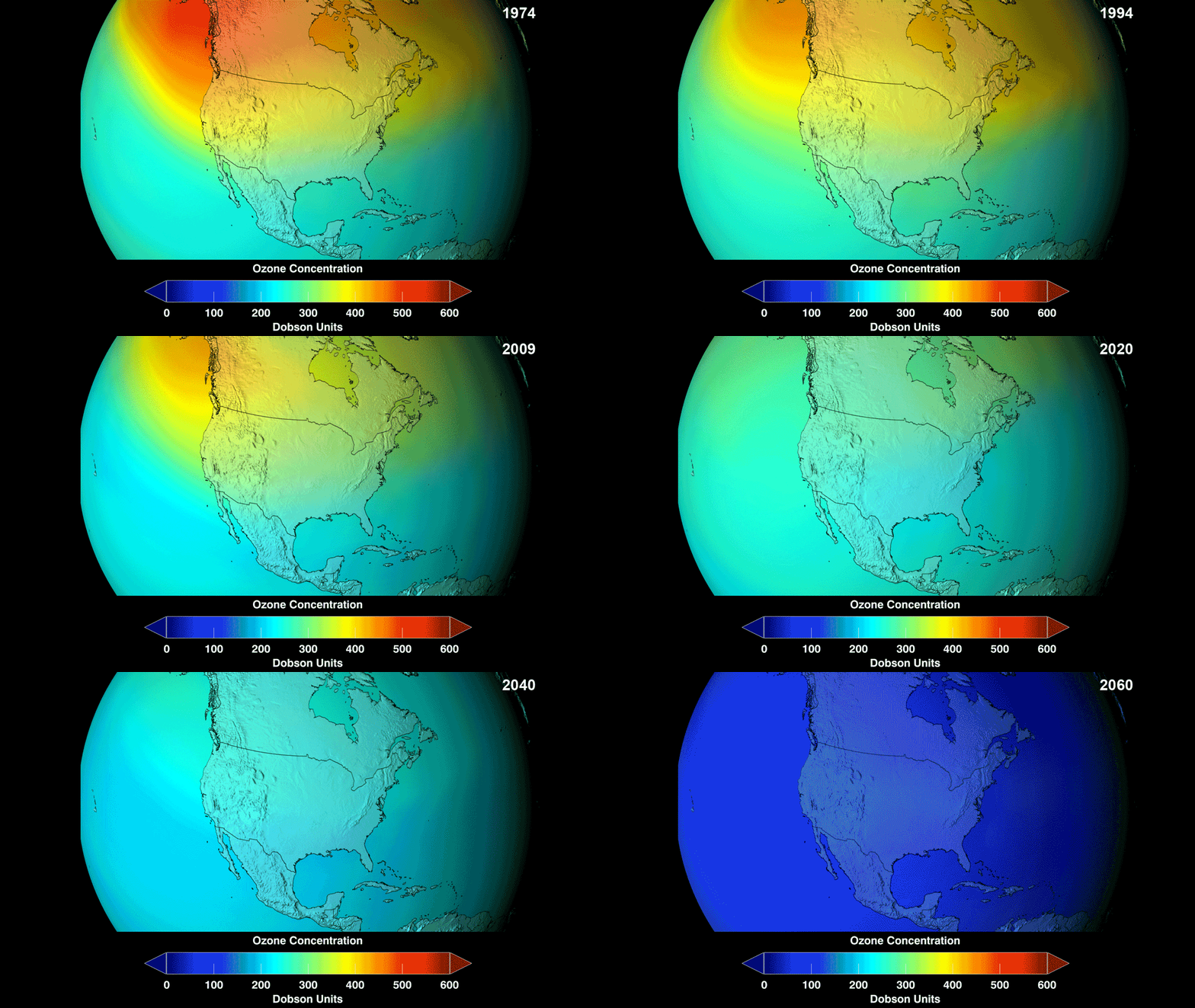
Study: Rising Use of Ozone-Depleting Feedstock Chemicals Could Delay Ozone Layer Recovery by 7 Years
A new study reveals that unaccounted-for emissions of ozone-depleting substances used as chemical feedstocks have increased since the 1987 M
 eos.org·2d ago