





















StardustOS: A Unikernel Operating System for Cloud Applications
By
transpute

Crisp on the outside, thoughtful on the inside. A keeper.
Summary
StardustOS is a unikernel operating system designed specifically for cloud applications, running in a protected single-address space environment. It features a minimal code base that's easily maintainable and uses static linking to combine a minimal kernel with a single application along with required libraries and runtime components. The system delegates physical resource management to an underlying hypervisor, treating it as a trusted platform, resulting in lightweight, efficient cloud application execution.
Key quotes
· 4 pulledStardust is a unikernel operating system designed to run Cloud applications in a protected, single-address space environment.
It delegates the management of physical resources to an underlying hypervisor which is treated as a trusted platform.
Stardust has a small code base that can be maintained easily, and relies on static linking to combine a minimal kernel with a single application.
Due to static linking, an executable binary of Stardust is packa
You might also wanna read

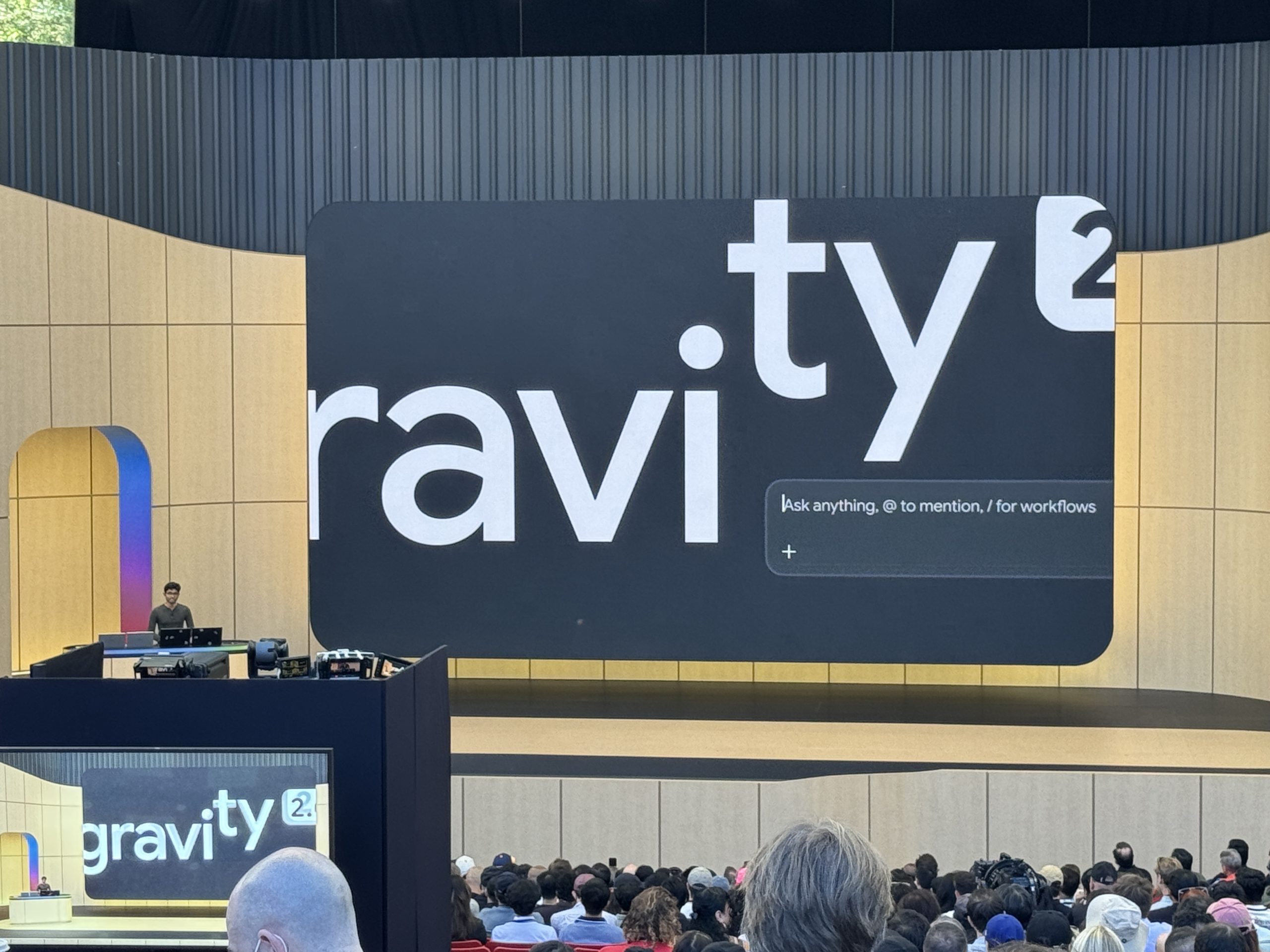
Google enters AI agent runtime race as the infrastructure layer becomes commoditized
Google repositioned Antigravity as a platform for developing and managing teams of autonomous AI agents at its I/O conference. The platform
 bit.ly·10h ago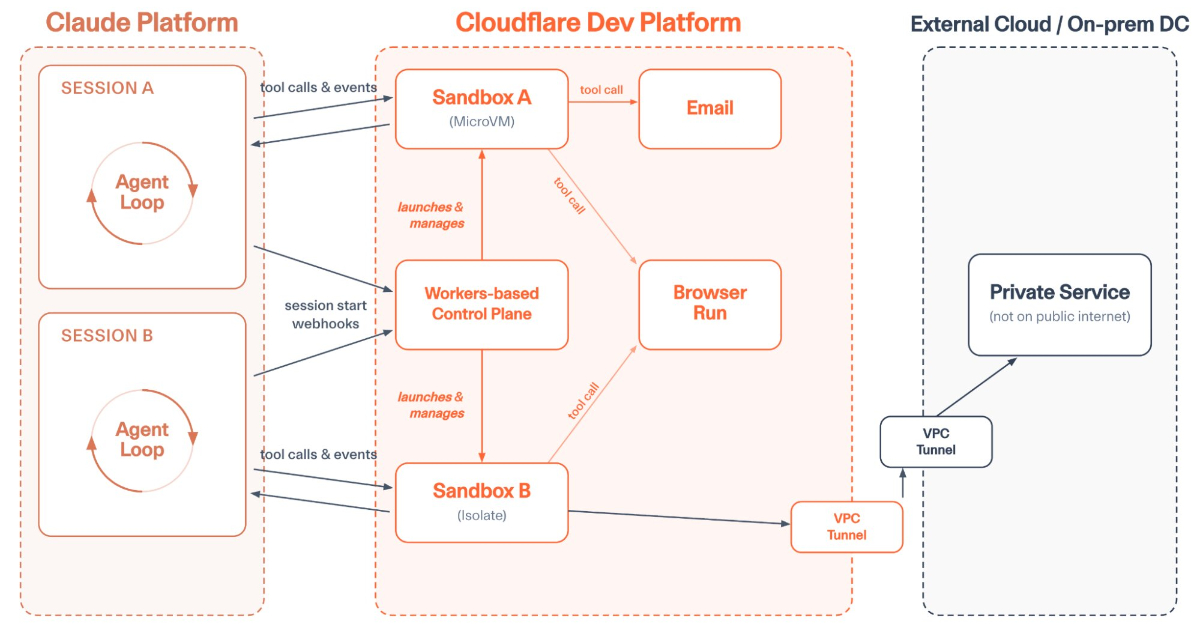
Cloudflare Integrates Claude Managed Agents for Developer Deployment
Cloudflare has added support for Claude Managed Agents, enabling developers to deploy, run, and manage Claude AI agents within the Cloudflar
 infoq.com·3d ago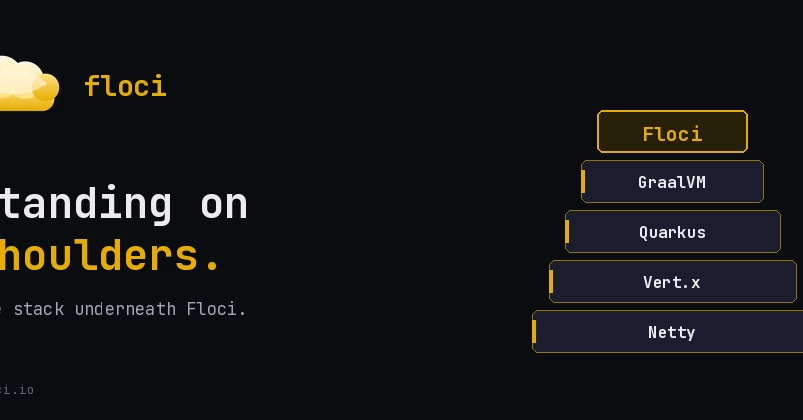
How four open-source projects power Floci, a fast AWS emulator that starts in 24ms
Floci, a free MIT-licensed AWS emulator, achieves fast startup (~24ms) and low memory usage (13 MiB RAM) by leveraging four mature open-sour
 dev.to·3d ago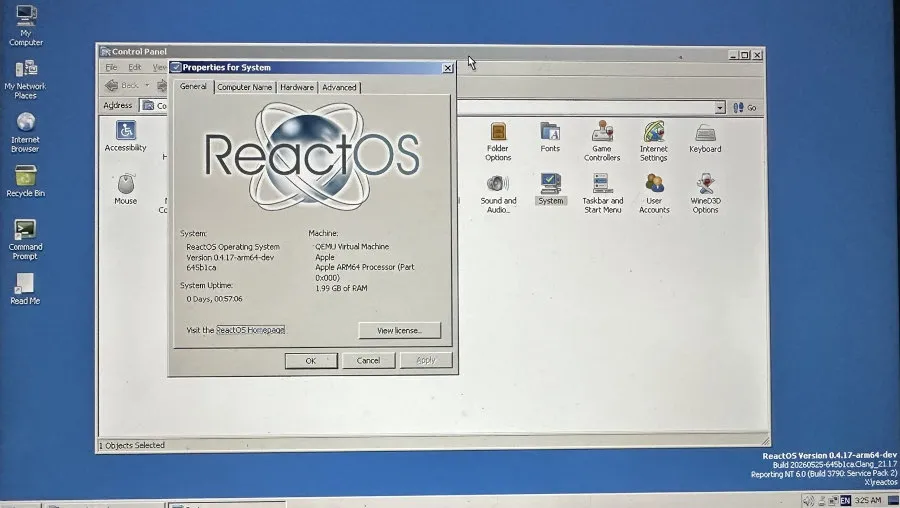
ReactOS Achieves Experimental ARM64 Support, Boots on Apple Silicon via QEMU
ReactOS, the open-source project aiming for binary compatibility with Microsoft Windows, has achieved experimental support for running on 64
 phoronix.com·5d ago
Why average CPU utilization is a misleading metric for cloud-native applications
The article discusses the pitfalls of relying on average CPU utilization metrics in cloud-native environments, particularly in Kubernetes. I
 theocharis.dev·9d ago
Understanding the Linux TTY Subsystem: History, Architecture, and Implementation
A comprehensive technical deep-dive into the TTY (teletype) subsystem in Linux and UNIX systems. The article traces the historical origins o
 linusakesson.net·12d ago