





















Detection dogs help scientists reduce bat fatalities on Australian wind farms
By
Wendy Probst

Hot, fresh, and worth queueing round the block for.
Summary
This article highlights how detection dogs, trained to sniff out bat and bird carcasses, are being used on Australian wind farms to monitor and reduce wildlife fatalities. It showcases the collaboration between canine teams and scientists to improve safety for bats, particularly during hot summer conditions when surveys are conducted at dawn. The piece emphasizes the effectiveness of dogs' olfactory abilities in detecting carcasses that human surveyors might miss, contributing to better conservation outcomes alongside renewable energy development.
Key quotes
· 3 pulledIt's gonna be a hot one, folks.
These dogs are trained to detect bird and bat carcasses on wind farms.
Dogs have a sense of smell approximately 10,000 times more sensitive than humans.
You might also wanna read

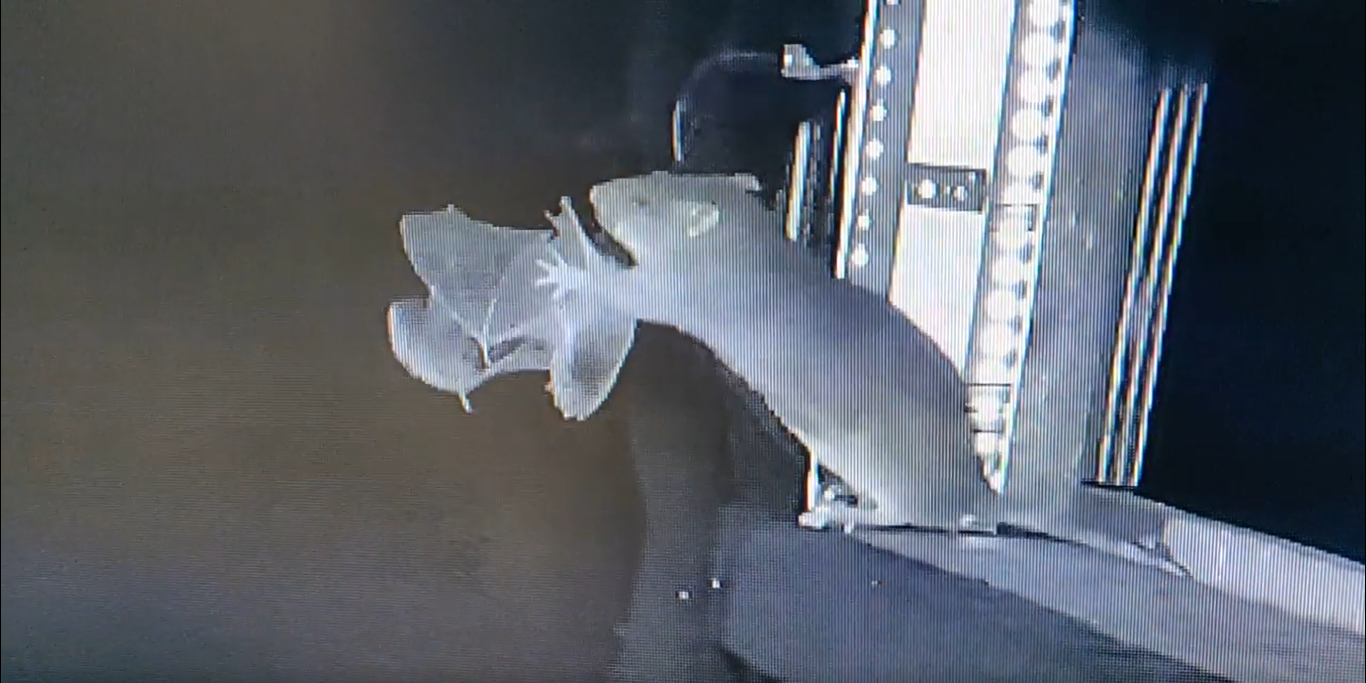
Brown rats documented hunting bats mid-flight in German caves for the first time
Researchers in northern Germany have documented brown rats (Rattus norvegicus) actively hunting and catching bats mid-flight — the first kno
 scienceclock.com·5mo ago
Penguins Used as Environmental Monitors to Detect PFAS Chemicals in Patagonia
Researchers from UC Davis and SUNY-Buffalo conducted a study using Magellanic penguins as environmental monitors by outfitting them with sil
 ucdavis.edu·2mo ago
Field Testing Satellite-Based Bramble Detection for Hedgehog Habitat Mapping
Researchers conducted field testing of a machine learning model designed to identify bramble habitats from satellite data, specifically for

Using Brain Imaging and AI to Enable Animal Communication
The article discusses the theoretical possibility of enabling animals to 'talk' using existing technology. It proposes combining real-time b
evanverma.com·7mo ago/https://tf-cmsv2-smithsonianmag-media.s3.amazonaws.com/filer_public/f0/89/f089f29e-ca4a-4fa6-befc-652ff8bbd8b1/gloza-rausch_et_al_rat_vs_ba)
Brown Rats Observed Hunting and Eating Bats in Northern Germany Using Two Different Strategies
Researchers in northern Germany have documented brown rats using two distinct hunting strategies to catch and eat bats at urban hibernation
 smithsonianmag.com·6mo ago
Otters as Bioindicators of Estuarine Health: Research Gaps and Future Framework
This scientific synthesis article examines otters as bioindicators for estuarine health monitoring. It highlights how otters serve as integr
 emt.pensoft.net·3mo ago