





















Humanoid robots learn kitchen tasks through repetitive human-guided training
By
Tribune News Service

Pure flour-power. Hearty enough to carry you through lunch.
Summary
This article explores how humanoid robots are being trained to perform everyday tasks like pouring coffee, with human operators (robot puppeteers) manually demonstrating movements thousands of times to generate training data for AI systems. It highlights the labor-intensive process behind training humanoid robots, the physical and mental toll on human trainers, and the broader implications for automation in the workforce, particularly in kitchen and service environments.
Key quotes
· 3 pulledThe repetitiveness, it can cause some discomfort.
It becomes a kind of meditation after a while — you just focus on the pour, the angle, the speed.
We're not replacing jobs yet — we're creating new ones, but they're not glamorous.
You might also wanna read

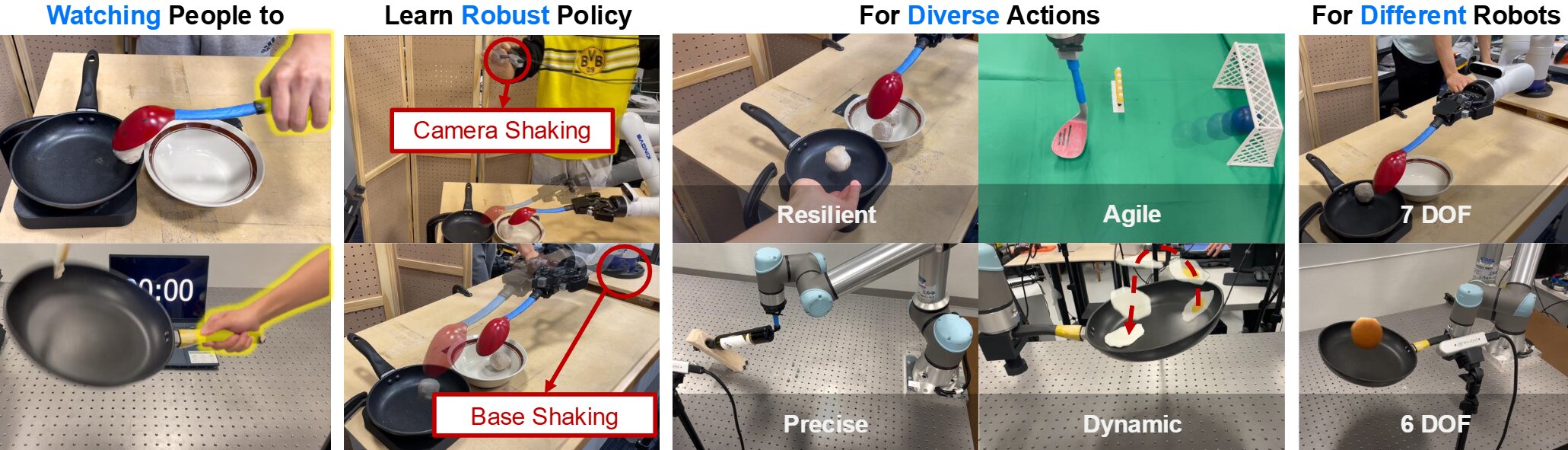
Robots Can Now Learn Tool Usage Through Video Observation
Researchers have developed a new approach that enables robots to learn tool usage by watching videos, similar to how children learn. This br
 techxplore.com·9mo ago
Research: Learning Athletic Humanoid Tennis Skills from Imperfect Human Motion Data
Researchers from Tsinghua University, Peking University, Galbot, Shanghai Qi Zhi Institute, and Shanghai AI Laboratory have developed a meth

MIT Students Develop AI Kitchen Robot That Creates Recipes from Leftovers
Readers discuss Kitchen Cosmo, an AI-powered kitchen robot developed by MIT students that uses a webcam to identify leftover ingredients and
 Dezeen·9mo ago
Distinguishing Between AI-Assisted 'Job' Tasks and Human-Driven 'Gym' Tasks
The article argues for a thoughtful approach to AI assistance, distinguishing between 'Job' tasks (where we just want the output) and 'Gym'
 danielmiessler.com·5mo ago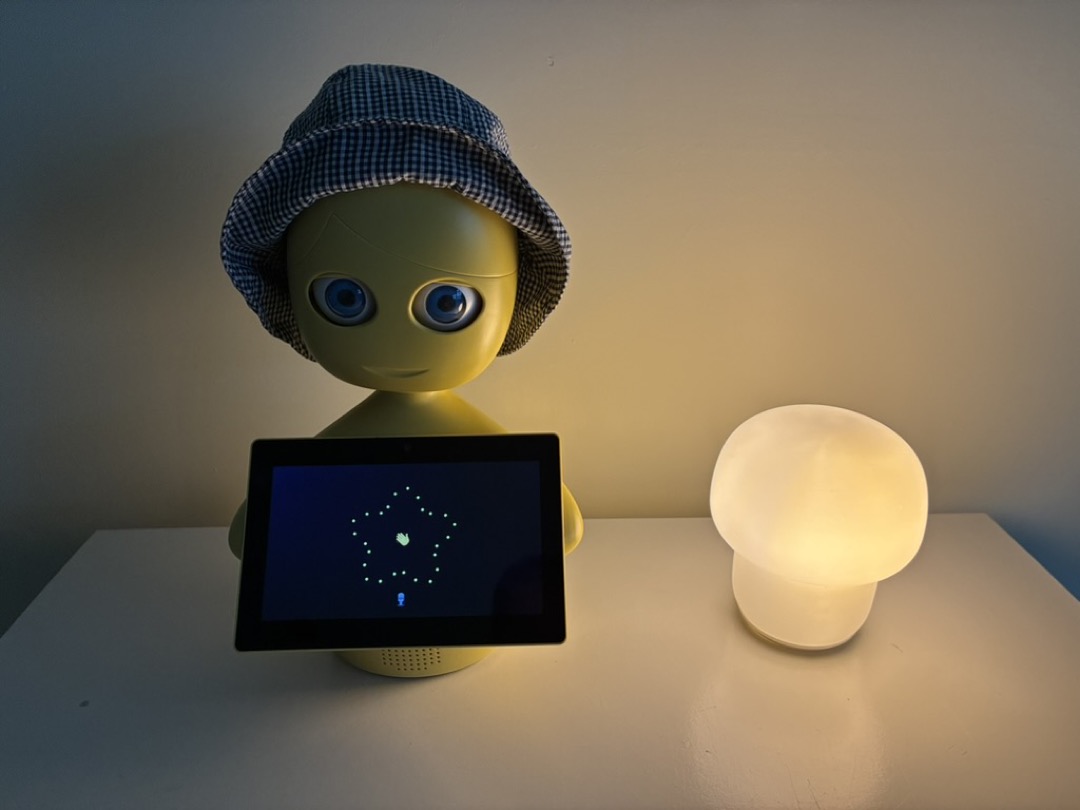
Personal Experience with an AI-Powered Home Robot: Reflections on Privacy and Human-AI Interaction
The author shares their personal experience with Mabu, an AI-powered robot placed in their home that functions as a smart speaker. The artic
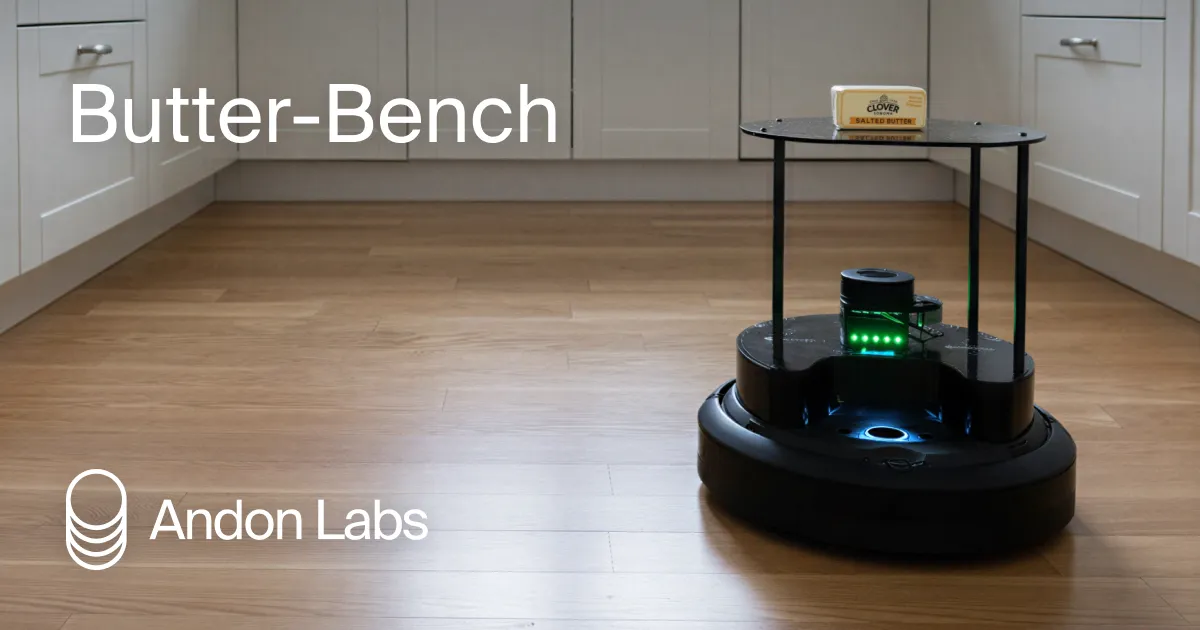
Butter-Bench Evaluation: Testing LLM-Controlled Robots for Practical Household Tasks
Researchers at Andon Labs created Butter-Bench, an evaluation framework to test whether current large language models (LLMs) can effectively
 andonlabs.com·7mo ago