





















BDC Income ETF Analysis: BIZD vs. PBDC and the Impact of Falling Rates on Distributions
Summary
This article analyzes two BDC (Business Development Company) income ETFs: BIZD (passive, tracking the MVIS US Business Development Companies Index) and PBDC (actively managed, overweighting higher-quality lenders under Franklin Templeton). It highlights PBDC's low net expense ratio (0.13%) offset by higher total expenses from underlying fund fees, its concentrated top holdings (30% in top three), and the headwind created by the Fed's 75 basis point rate cut since September 2025 to 3.75%, which pressures floating-rate income distributions.
Source

 bskyBDC Income ETF Analysis: BIZD vs. PBDC and the Impact of Falling Rates on Distributionsbriefly.co
Key quotes
· 3 pulledBDCs are pass-through vehicles that lend mostly at floating rates to private middle-market firms and must distribute about 90% of taxable income to keep tax status.
PBDC is actively managed and overweights higher-quality lenders after the Putnam acquisition and Franklin Templeton ownership.
The Fed funds rate fell 75 basis points since September 2025 to 3.75%, creating a headwind for the floating-rate income engine behind distributions.
You might also wanna read


The Rise of Passive Investing: From 2016 Warnings to Current Market Dominance
The article discusses the massive shift from active to passive investing, with trillions of dollars moving into index-tracking funds. It ref
 economist.com·5mo ago
The Overlooked Startup Bubble: Form D Filings Reveal a Boom-and-Bust in Venture Fund Formation
The article analyzes a startup investment bubble that is being overlooked, using Form D filings data (specifically funds named "Fund I", "Fu

All Bitcoin ETFs 1-year returns lag BTCUSD return

ETFs Outnumber Individual Stocks as Public Listings Decline
The article discusses the declining number of publicly listed companies in the U.S. stock market, noting that there are now more ETFs (excha
 apollo.com·23d ago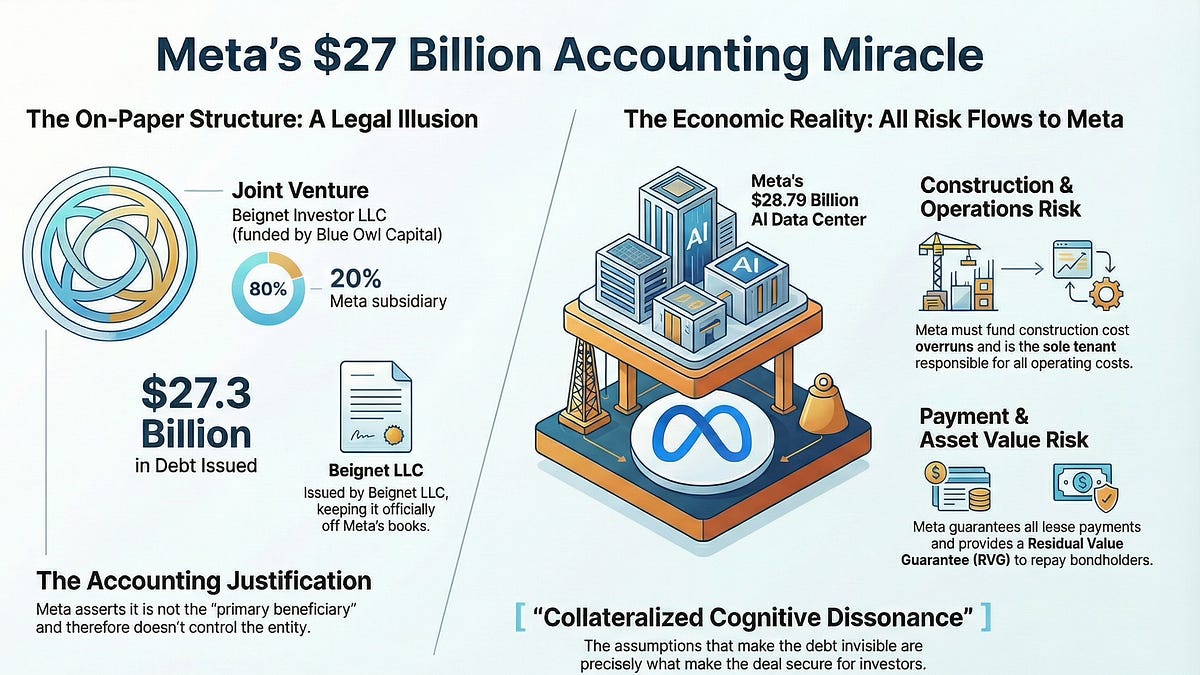
Analysis: Meta's $27 Billion Off-Balance Sheet Accounting Through Data Center Joint Venture
FSG LLC (Flexible Standards Group) assigns a preliminary A+ rating to Beignet Investor LLC's proposed $27.30 billion senior secured amortizi
 stohl.substack.com·6mo ago