





















The Gradual Decline of Rome: Why 476 AD Was Not the End
By
Fried Kielbasa
Summary
The article explores the author's growing interest in the decline and fall of the Roman Empire, challenging the conventional date of 476 AD as a definitive end. Through investigation, the author finds that Rome continued to function remarkably after 476, with a barbarian heretic keeping the Roman state running for another thirty-three years. The piece argues that the fall of Rome was not a sudden event but a gradual, almost unnoticed transition, and that Roman institutions, culture, and governance persisted long after the official end date.
Source
 Hacker NewsThe Gradual Decline of Rome: Why 476 AD Was Not the Endfriedkielbasa.substack.com
Key quotes
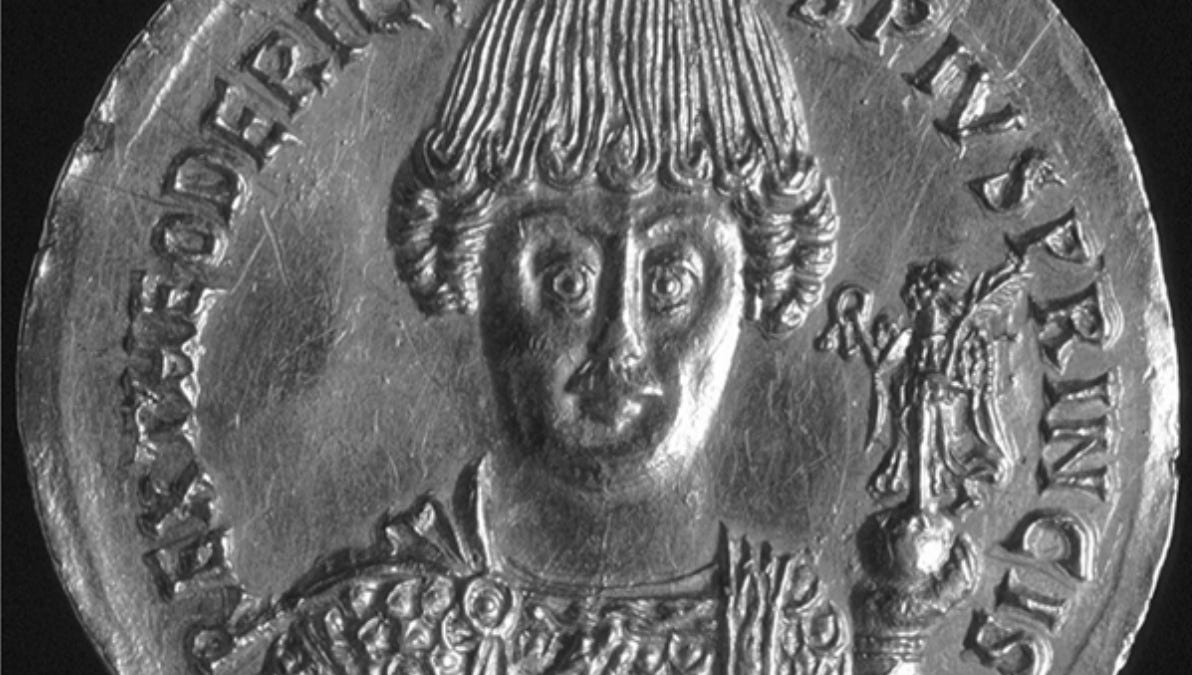
· 3 pulledYou always hear the date 476 as the definitive end. As far as dates go, 476 is as good a date as any to mark the end of the official Roman Empire, but it always struck me as a bit weird.
After that date, could it be said that Rome no longer existed? When I investigated what Rome was like after 476, it seemed oddly continuous.
A barbarian heretic kept the Roman state running for thirty-three years
You might also wanna read


Pernel Media Expands 'Rise And Fall Of' Franchise With Documentary Series on Ancient Rome
Pernel Media is expanding its 'Rise And Fall Of' documentary franchise with a new series focused on the Roman Empire. The series will cover
 Deadline·15d ago
The quiet collapse of British universities

Apocalypse History Series Uses AI to Simulate Archive Footage for New Season on Roman Empire's Birth
The hit history doc-series 'Apocalypse' is expanding into antiquity with a new season titled 'Apocalypse Civilizations: Rome,' focusing on t
Deadline·4d ago
The End of Global Order: Why Continuous World-Building Replaces Fixed Frameworks
The article argues that the era of stable global order is over, replaced by continuous "ordering" and world-building without finality. It co
 foreignpolicy.com·9d ago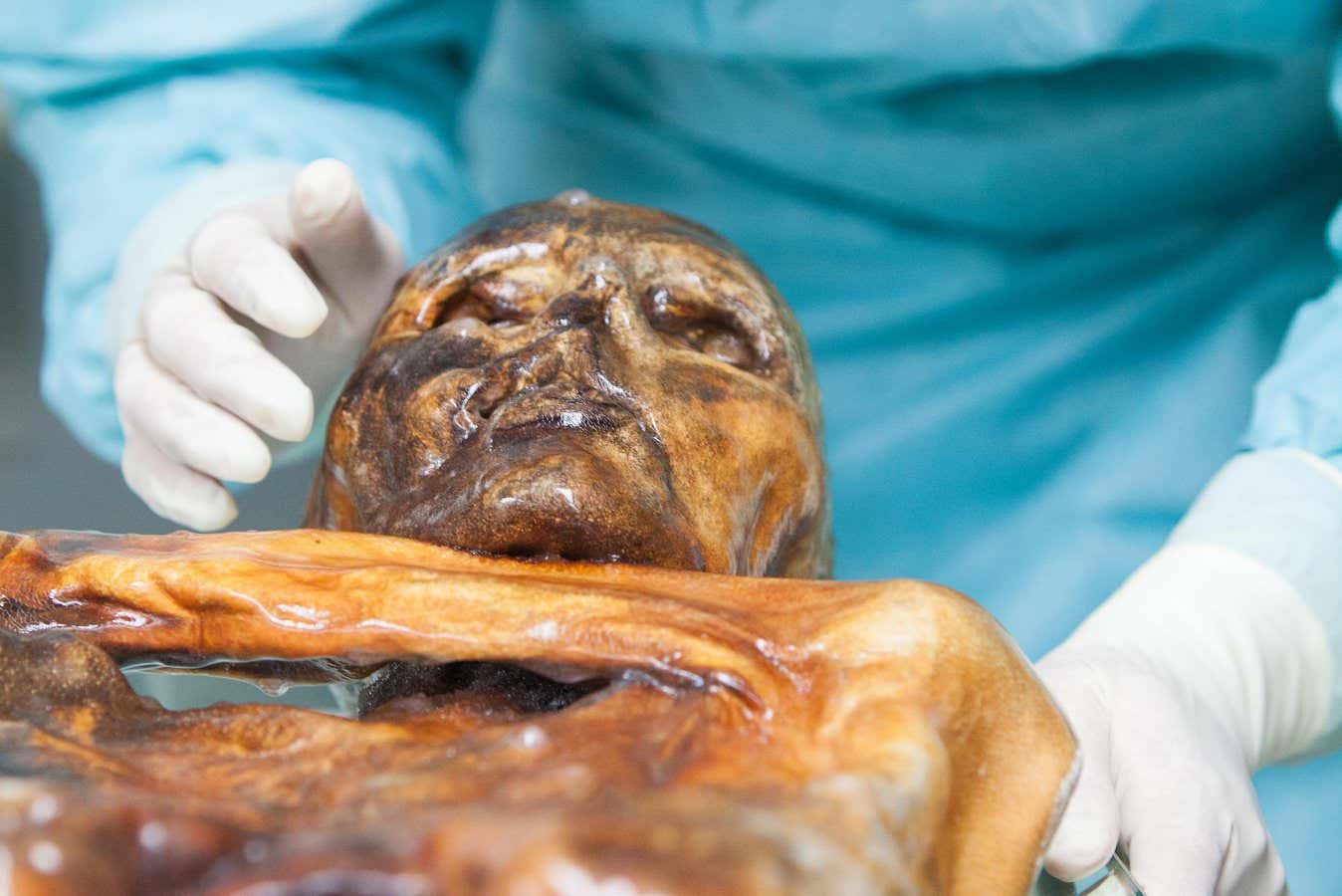
Study finds metabolically active microbes on 5,300-year-old Ötzi the Iceman remains
Researchers studying the 5300-year-old mummified remains of Ötzi the Iceman have discovered that some microbes on his body may still be meta
 newscientist.com·17d ago
Gallup Ends 88-Year Presidential Approval Polling Tradition
Gallup, the renowned polling organization, announced it will discontinue its long-running presidential job approval polling after 88 years,
 The Onion·4mo ago