





















Researchers Use Microbes to Convert Urine into Valuable Hydroxyapatite
By
gmays

Toasted golden, schmeared with insight. Top of the rack.
Summary
Researchers have developed a process using genetically modified yeast to convert human urine into hydroxyapatite, a valuable material used in surgery and dentistry for bone and teeth repair.
Key quotes
· 3 pulledThe team genetically modified yeast to take the elements present in urine and create hydroxyapatite – a calcium and phosphorus-based mineral naturally produced by humans and other animals to build bones and teeth.
Commercially manufactured hydroxyapatite is used in surgery and dentistry to repair these structures when they’re broken, and the lightweight material’s remarkab
Engineered yeast can produce artificial bone and other materials while lowering the cost of wastewater management
You might also wanna read


Study: 3-Year-Olds Read Intent in Human Eyes but Not in Robot Gaze
A pioneering international study in developmental psychology and AI reveals that children as young as 3 instinctively read intentions in hum
 neurosciencenews.com·1h ago
Solar desalination system eliminates toxic brine while producing fresh water
Scientists have developed a solar-powered desalination system that converts seawater into fresh water without producing toxic brine, a major
Solar desalination system eliminates toxic brine while producing fresh water
Scientists have developed a solar-powered desalination system that converts seawater into fresh water without producing toxic brine, a major
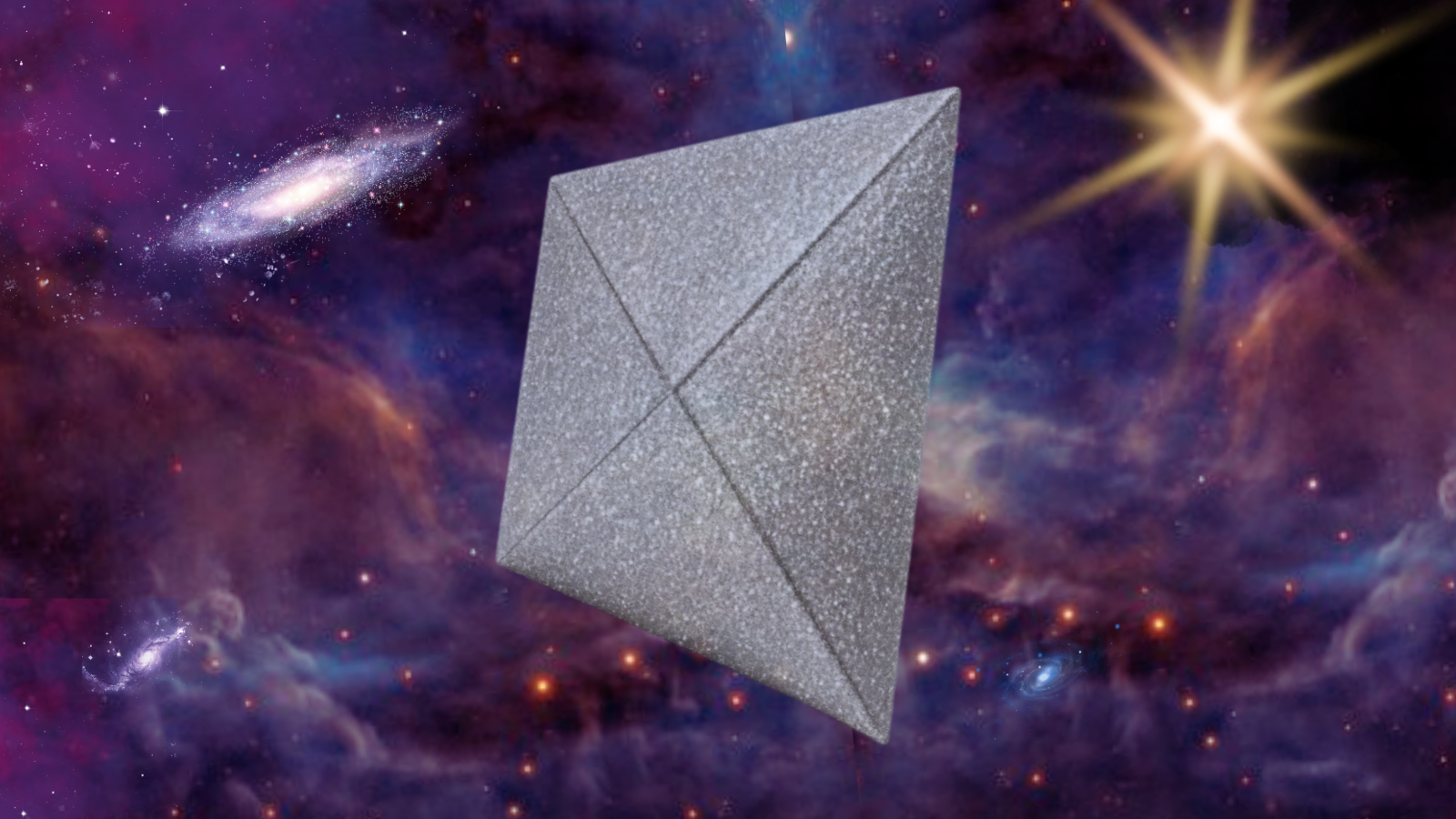
How solar sails could propel humanity to interstellar space
This article explores the concept of solar sails as a realistic propulsion method for interstellar space travel. It discusses how solar sail
 space.com·3h ago
Japan tests Mach 5 ramjet engine for hypersonic aircraft at JAXA facility
Japan has successfully completed a ground combustion test of a ramjet engine designed for a Mach 5-class experimental hypersonic aircraft. T
 f.mtr.cool·4h ago
Study Overturns Long-Held Aeronautical Principle: Smoother Surfaces Don't Always Reduce Drag
A new discovery challenges the long-held aeronautical principle that smoother surfaces always reduce aerodynamic drag. The article explains
 wrd.cm·4h ago