Study: 3-Year-Olds Read Intent in Human Eyes but Not in Robot Gaze
By
Neuroscience News
3h ago· 8 min readenNews

100/100
Golden Brown
Bagelometer↗
Sesame, salt, and substance. A flagship bake.
Score100TypenewsSentimentneutral
Summary
A pioneering international study in developmental psychology and AI reveals that children as young as 3 instinctively read intentions in human eyes but fail to recognize the same nonverbal communication in a robot's gaze. The findings demonstrate that a robot simply imitating human signals like gaze is insufficient to establish true communicative bonds, redefining engineering standards for embodied AI and child-robot interaction.
Key quotes
· 3 pulledChildren as young as 3 years old can instinctively read intentions and personal preferences in a human's eyes.
A robot simply imitating a human signal like gaze is insufficient to establish a true communicative bond.
The findings redefine the engineering standards required for embodied AI and child-robot interaction.
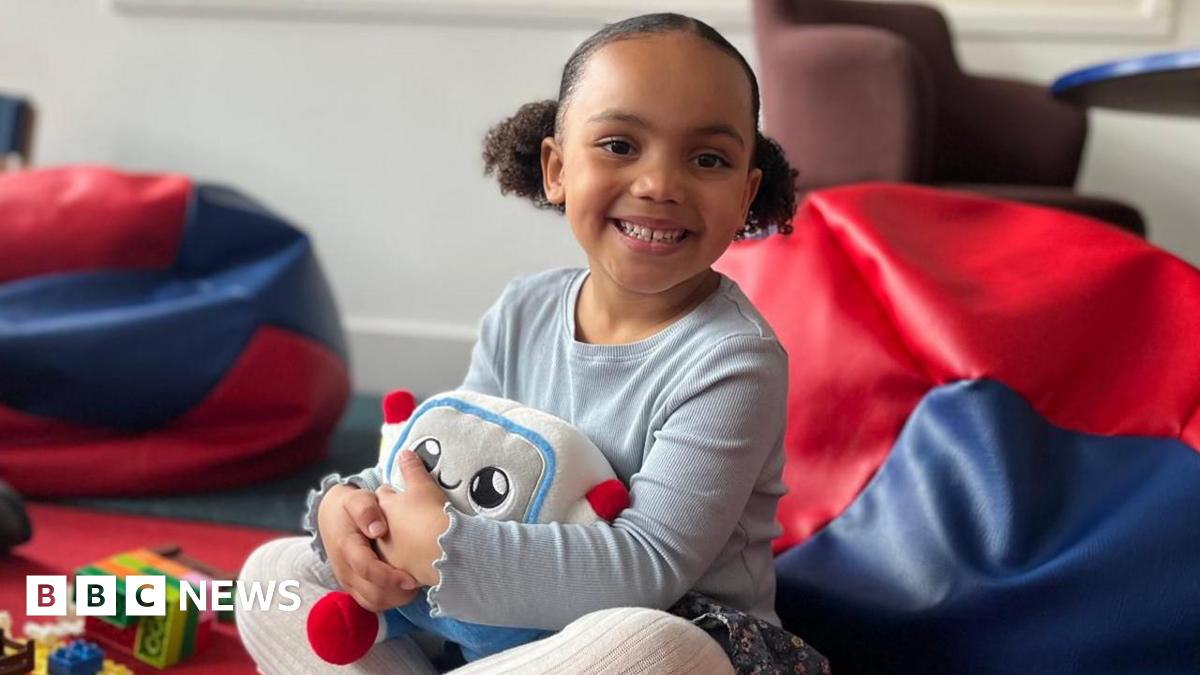
A new study reveals that 3-year-olds read intention in human eyes but fail to recognize nonverbal preferences in a robot's gaze.