





















Pulse: Open-Source Self-Hosted Real-Time Polling Application
By
Kartikey Bhardwaj

Day-old at best. Try it dunked in something stronger.
Summary
Pulse is an open-source, self-hosted polling application that offers real-time voting updates via WebSocket. It prioritizes privacy with anonymous creators and voters, can be deployed to AWS with a single command, operates cost-effectively on Lambda and DynamoDB, and features a lightweight frontend under 50KB without frameworks.
Key quotes
· 5 pulledPulse is a standalone, open-source polling app that does one thing well.
Real-time - votes update live across all viewers via WebSocket
Privacy-first - anonymous creators and voters, enforced server-side
Self-hosted - deploy to your own AWS account with one CDK command
Under 50KB frontend - no bloat, no frameworks, just fast
You might also wanna read

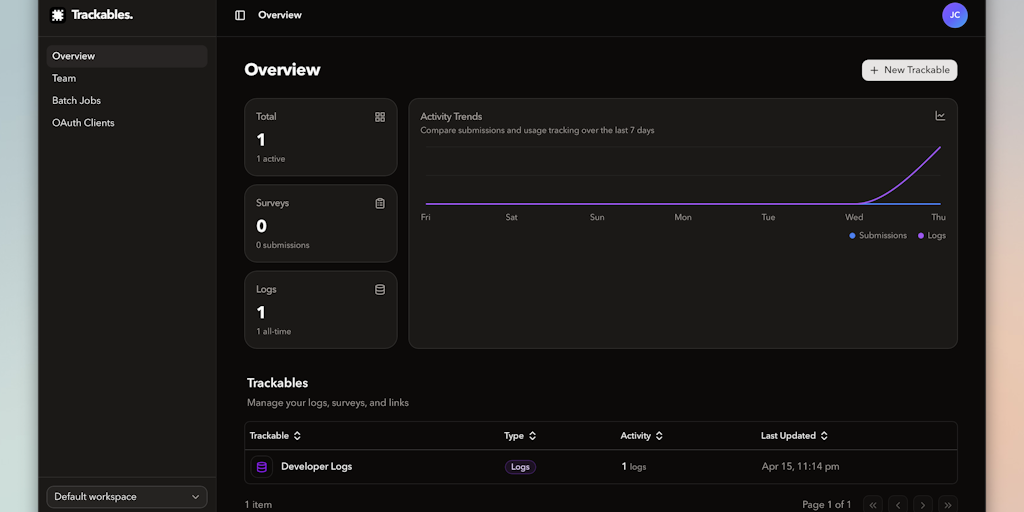
Trackables: Open Source Telemetry Platform for Event Tracking and Form Collection
Trackables is an open-source telemetry platform that allows users to create trackable items, collect form responses or API usage events, and
 Product Hunt·1mo ago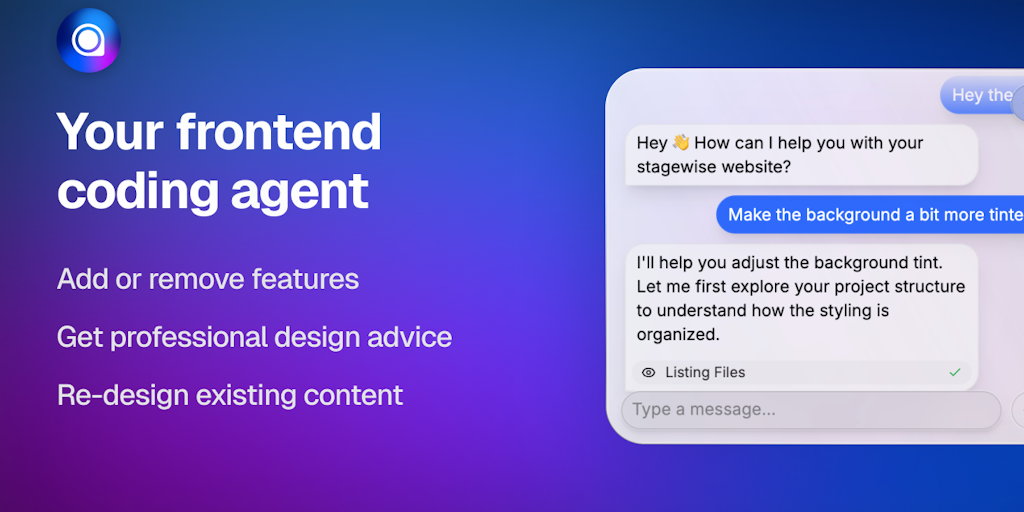
stagewise: Open-Source Coding Agent for Frontend Development with Visual Interface
stagewise is an open-source coding agent designed for frontend development that can visually interact with web applications. It operates in
Product Hunt·1mo ago
Lukan: Open-Source AI Workstation for Coding and Automation
Lukan is an open-source AI workstation that runs on top of an operating system to perform end-to-end work. It features an integrated coding
Product Hunt·1mo ago
git-fire: Automated Git Repository Backup Tool with Streaming Pipeline and Safety Features
git-fire is a command-line tool that automatically discovers and backs up all Git repositories on a system. It features a streaming pipeline
Product Hunt·1mo ago
Ubuntu 26.04 'Resolute Raccoon' Launches with Focus on AI and Cloud Development
Ubuntu 26.04 'Resolute Raccoon' has launched as the next-generation Ubuntu distribution focused on developers, AI, and cloud workflows. The
Product Hunt·1mo ago
Modo: An Open-Source AI IDE That Plans Before Coding
Modo is an open-source AI-powered IDE that uses structured planning before coding. The creator built it as a fork of the Void editor (itself
 github.com·1mo ago