





















Antibody mix-up due to similar protein names may invalidate findings in over 300 cancer and aging studies
By
Mitch Leslie Mitch Leslie writes about cell biology and immunology.

Hot, fresh, and worth queueing round the block for.
Summary
A researcher has uncovered a widespread error in biomedical literature where hundreds of scientists studying cancer and aging mistakenly used antibodies targeting the wrong protein. Instead of antibodies for p16INK4a (a tumor-suppressing protein), researchers used antibodies for p16-ARC (a cytoskeleton protein). This mix-up, caused by confusingly similar protein names, appears in over 300 published papers, potentially undermining years of research on cancer and aging.
Key quotes
· 3 pulledHundreds of scientists who study cancer and aging have made an easily avoidable but significant mistake, deploying the wrong antibody to test for a key protein
Instead of antibodies that recognize p16INK4a, a tumor suppressing protein that may also promote aging, these researchers used antibodies that tag the similarly named protein p16-ARC, which helps shape the cell's molecular skeleton
The gaffe appears in more than 300 papers
You might also wanna read

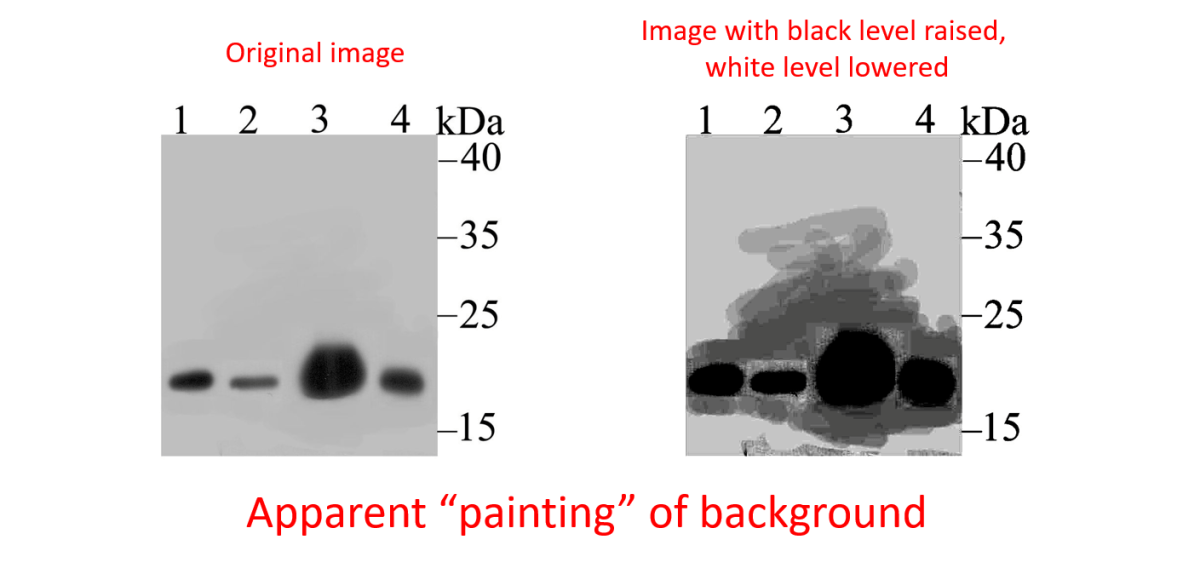
Investigation finds over 450 instances of apparent data manipulation in Thermo Fisher antibody catalog
An investigation by Sholto David reveals widespread apparent data manipulation in Thermo Fisher Scientific's antibody catalog. More than 450
 reeserichardson.blog·16h ago
Stanford Study: Blocking Aging Protein Reverses Cartilage Loss and Prevents Arthritis
Stanford Medicine researchers have discovered that blocking a protein linked to aging can reverse cartilage loss in aging joints and prevent
Virginia Tech Researchers Reverse Age-Related Memory Decline by Targeting Molecular Changes in Brain
Virginia Tech researchers conducted two studies on age-related memory decline, focusing on molecular changes in the brain. The first study e
 news.vt.edu·7mo ago
Method to reverse cellular ageing is about to be tested in humans
Scientific Publishing Error: The Persistent Mislabeling of Cr2Ge2Te6 as Cr2Gr2Te6
The article discusses a recurring typographical error in scientific literature where the compound Cr2Ge2Te6 is mistakenly written as Cr2Gr2T
 righto.com·9mo ago
UCSF Researchers Identify FTL1 Protein as Key Factor in Brain Aging and Potential Reversal
Researchers at UC San Francisco have discovered that a protein called FTL1 plays a central role in brain aging. In mice studies, older anima