





















Automated Accessibility Testing Tools Miss 60–70% of WCAG Violations: How to Write Smarter Playwright Tests

The bagel they save for the regulars. Don't skim, savour.
Summary
Automated accessibility testing tools like axe, Lighthouse, and Playwright's @axe-core/playwright integration only detect an estimated 30–40% of real WCAG violations, leaving a dangerous 60–70% gap. The article warns that developers suffering from tool fatigue are tempted to accept AI-suggested fixes that make automated checks pass without actually solving accessibility problems. It explores the limitations of automated testing and provides guidance on writing smarter, more effective Playwright tests for accessibility.
Key quotes
· 4 pulledAutomated accessibility tools like axe, Lighthouse, and Playwright's @axe-core/playwright integration only catch an estimated 30–40% of real WCAG violations.
That gap is dangerous in an environment where developers are already suffering tool fatigue managing a queue of linters, security scanners, and CI checks competing for attention.
When an AI assistant suggests a fix that turns a failing accessibility check green, it's tempting to accept it and move on — the fix looks reasonable, the build passes, and the queue gets shorter.
But greening the scanner isn't the same as fixing the problem.
You might also wanna read

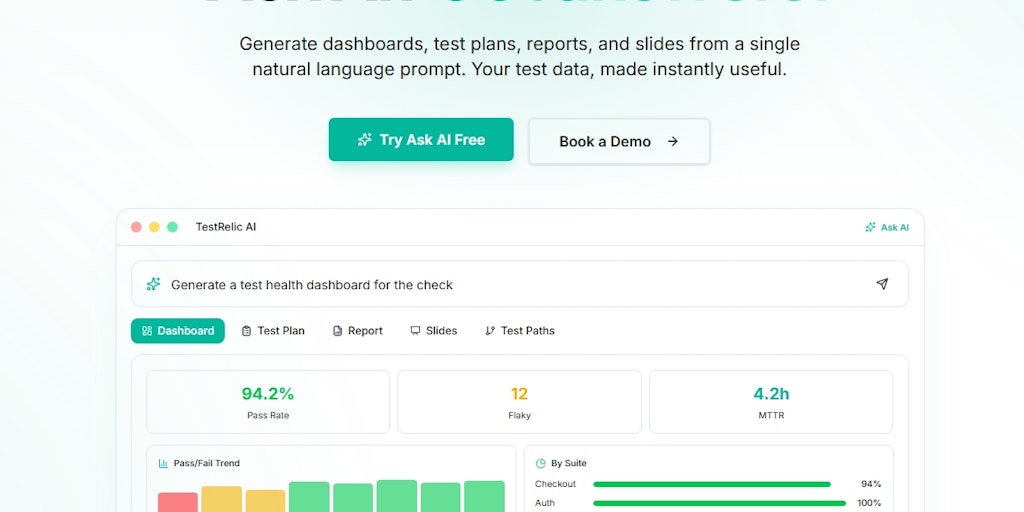
TestRelic AI: AI-Powered Debugging Tool for Playwright Test Failures
TestRelic AI is a new AI-powered debugging tool for Playwright tests that helps QA teams quickly identify root causes of test failures. Inst
 Product Hunt·2mo ago
WCAG 3.0's New Scoring Model: Moving Accessibility From Binary Compliance to Quality-Based Evaluation
WCAG 3.0 introduces a new scoring model that shifts accessibility evaluation from binary pass/fail criteria to a more nuanced, outcome-based
 Smashing Magazine·1y ago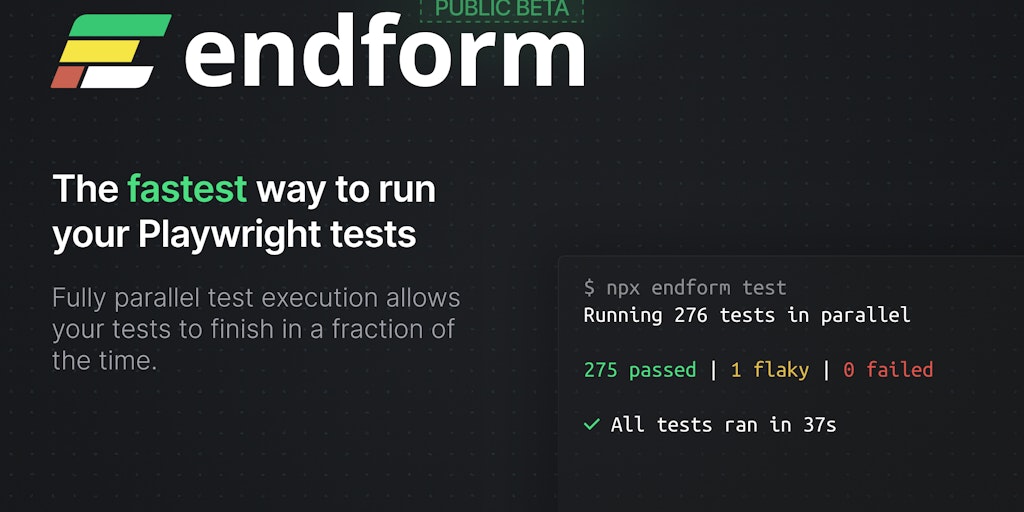
Endform Launches Public Platform for Fast Playwright End-to-End Testing
Endform is a new platform for Playwright end-to-end testing that addresses common pain points in test automation. The platform enables fully
Product Hunt·10mo ago
BlinqIO AI Test Engineer: Automated Playwright Testing with Self-Healing Capabilities
BlinqIO's AI Test Engineer is a tool that automates Playwright test creation and maintenance, generating real code in repositories, integrat
Product Hunt·5mo ago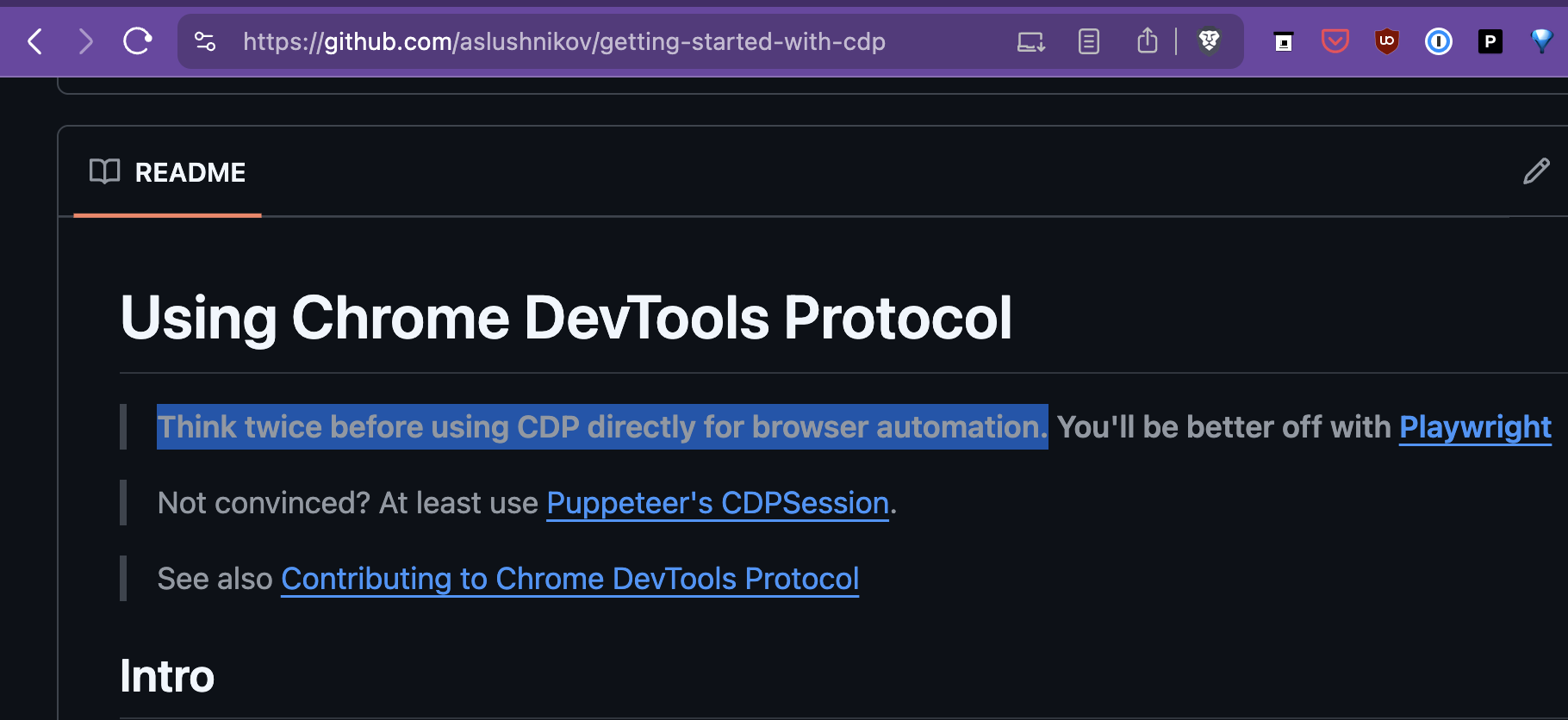
Migrating from Playwright to Chrome DevTools Protocol for Enhanced Browser Control
The article details a technical team's decision to migrate from Playwright to Chrome DevTools Protocol (CDP) for browser automation. The aut

GitHub Uses AI to Automate Accessibility Feedback Triage and Resolution
GitHub has implemented an AI-powered system to handle accessibility feedback that previously had no clear ownership. Since accessibility iss
 GitHub·3mo ago